

Nottingham City Council has approved £165,000 of capital funding to replace a non-compliant fire alarm system at the district heating facility, citing long-standing safety risks and the need to meet current fire standards.
Documents confirm that a new Category L1 fire detection and alarm system will be installed at London Road Heat Station, a critical part of the council’s energy infrastructure. The work will be carried out by Your Choice Fire & Security Ltd, which has already completed the system design and is positioned to deliver the upgrade without delay.
The existing system at the site has been described as outdated, fault-prone and not compliant with modern fire safety requirements under British Standard BS 5839-1.
According to the report, it provides incomplete detection coverage and has known reliability issues, creating what officers consider to be an unacceptable level of risk at a facility that includes high-pressure steam systems, high-voltage electrical equipment and confined plant areas.
A fire risk assessment carried out in January 2022 found that reliance on manual fire detection at the site was inadequate, particularly given the layout and nature of the building. It recommended the installation of automatic fire detection throughout the heat station, including in plant rooms and internal areas where a fire could otherwise go unnoticed.


The approved Category L1 system represents the highest standard of life safety fire detection, providing automatic detection in all areas of a building to give the earliest possible warning regardless of where a fire starts. Council officers say this approach aligns fully with the findings of the fire risk assessment and will restore compliance while reducing operational, legal and insurance risks.
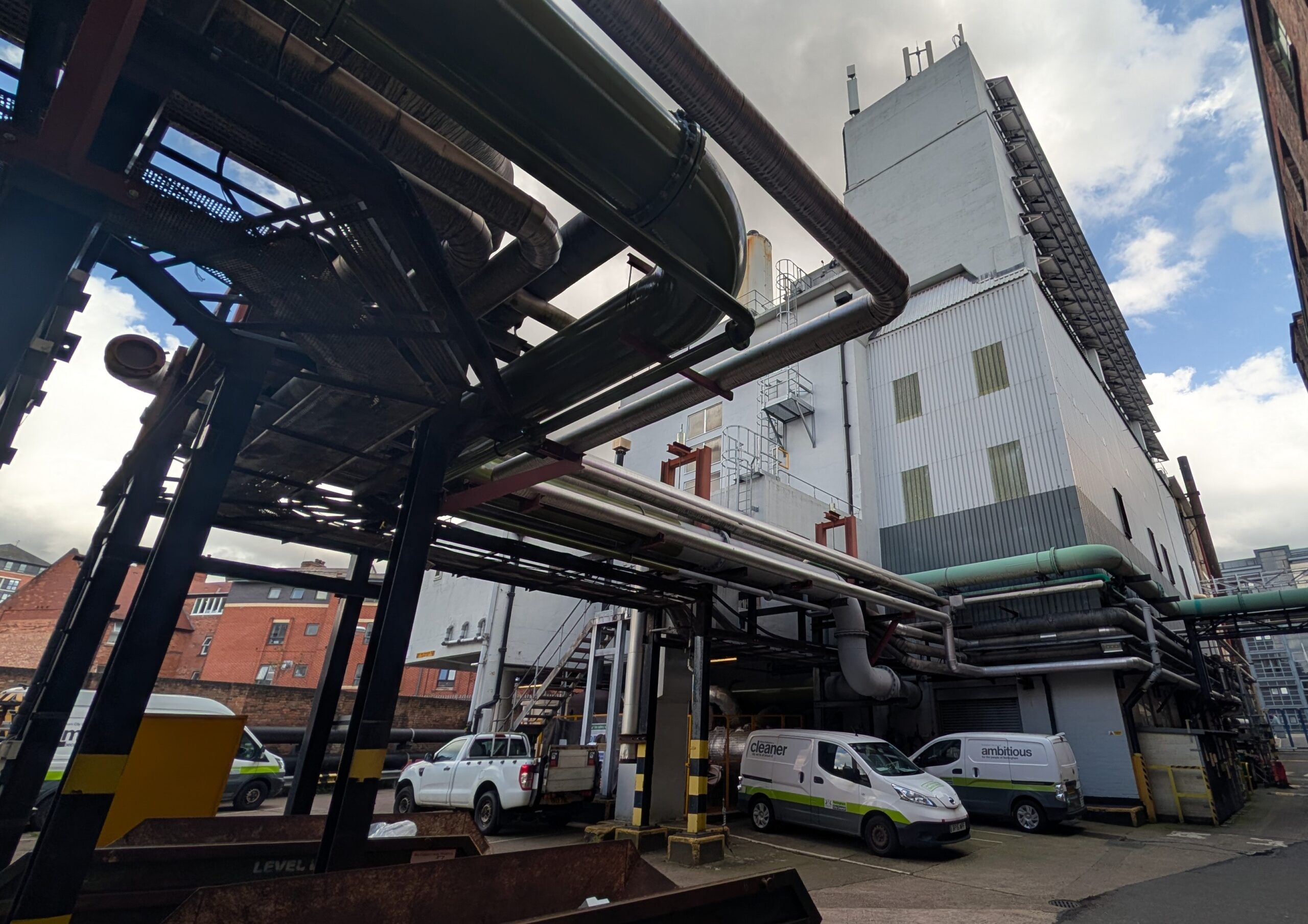
The heat station forms part of Nottingham’s district heating network, which supplies heat and hot water to homes and buildings across parts of the city. The decision is classified as operational rather than strategic, meaning it relates to the safe day-to-day running of an existing council asset rather than any change in the direction of the wider heating network.
Alternative options were considered but rejected. Doing nothing was ruled out due to the continued exposure to safety and compliance risks. Partial repairs or upgrades were also dismissed on the basis they would not address the underlying issues with system obsolescence or meet required standards. A lower-specification Category L2 system was considered but rejected as it would not fully meet the recommendations of the fire risk assessment or provide sufficient coverage.
The planned works will include the installation of automatic detection across all areas of the building, alongside new network components and alarm devices suited to the industrial environment. Installation will be phased to minimise disruption to operations, with final commissioning and certification required before the system is formally accepted.
Council officers have indicated that delaying the work would increase safety risks and could lead to enforcement action or higher long-term costs. The upgrade is intended to ensure the site meets statutory fire safety obligations while improving protection for staff, contractors and visitors, including those working alone on site.
For residents, the decision does not involve changes to the operation of the district heating network itself but relates to maintaining safety standards at one of its key facilities. The investment reflects ongoing maintenance and compliance requirements for council-owned infrastructure rather than new service provision.
