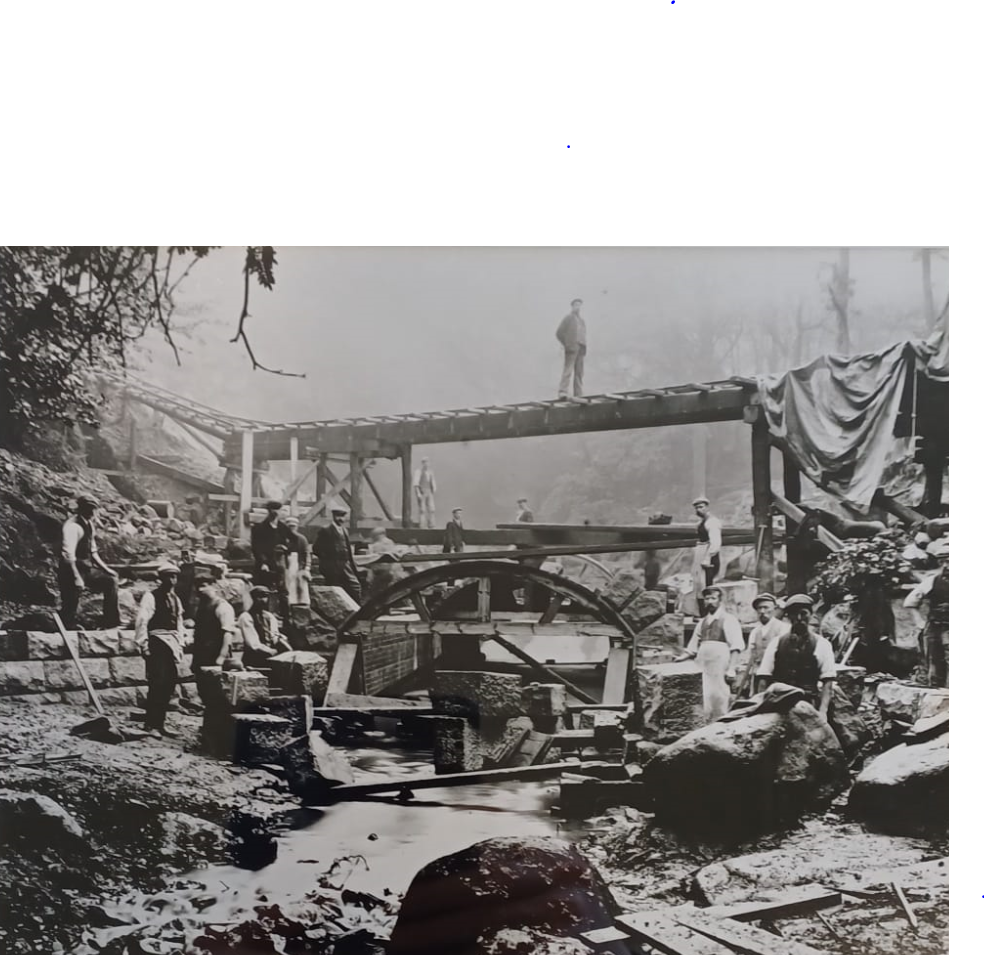
They’re the stunning historic images showing how Severn Trent’s famous Derwent Dam was built 110 years ago – providing quality water to millions of people across Derbyshire, Leicestershire and Nottinghamshire.
This week, the water company is releasing archive pictures of the brave dam builders who delivered the magnificent feat of engineering in the Peak District, which took 14 years to complete and involved around 1,000 workers.


The focus on the dam comes just days before another milestone anniversary – the 81st year since VE Day on 8 May.
Last year saw a giant Union Flag displayed on the dam walls to honour the RAF Dambusters, who carried out practice runs at the site before heroic raids on German dams in May 1943.
The story of Derwent highlights the central role reservoirs play in the 12-hour rain-to-tap journey of our water, involving thousands of Severn Trent employees.
It stores billions of litres of water, which all comes from the Peak District, and actively improves water quality by giving the reservoir time to benefit from natural purification, including sedimentation.
The rain-to-tap journey then continues, with water flowing to Severn Trent’s Bamford treatment works for further treatment to the highest standard.
It is then piped to homes, where people can enjoy some of the best water in the world – 12 hours of quality and care behind every turn of the tap.
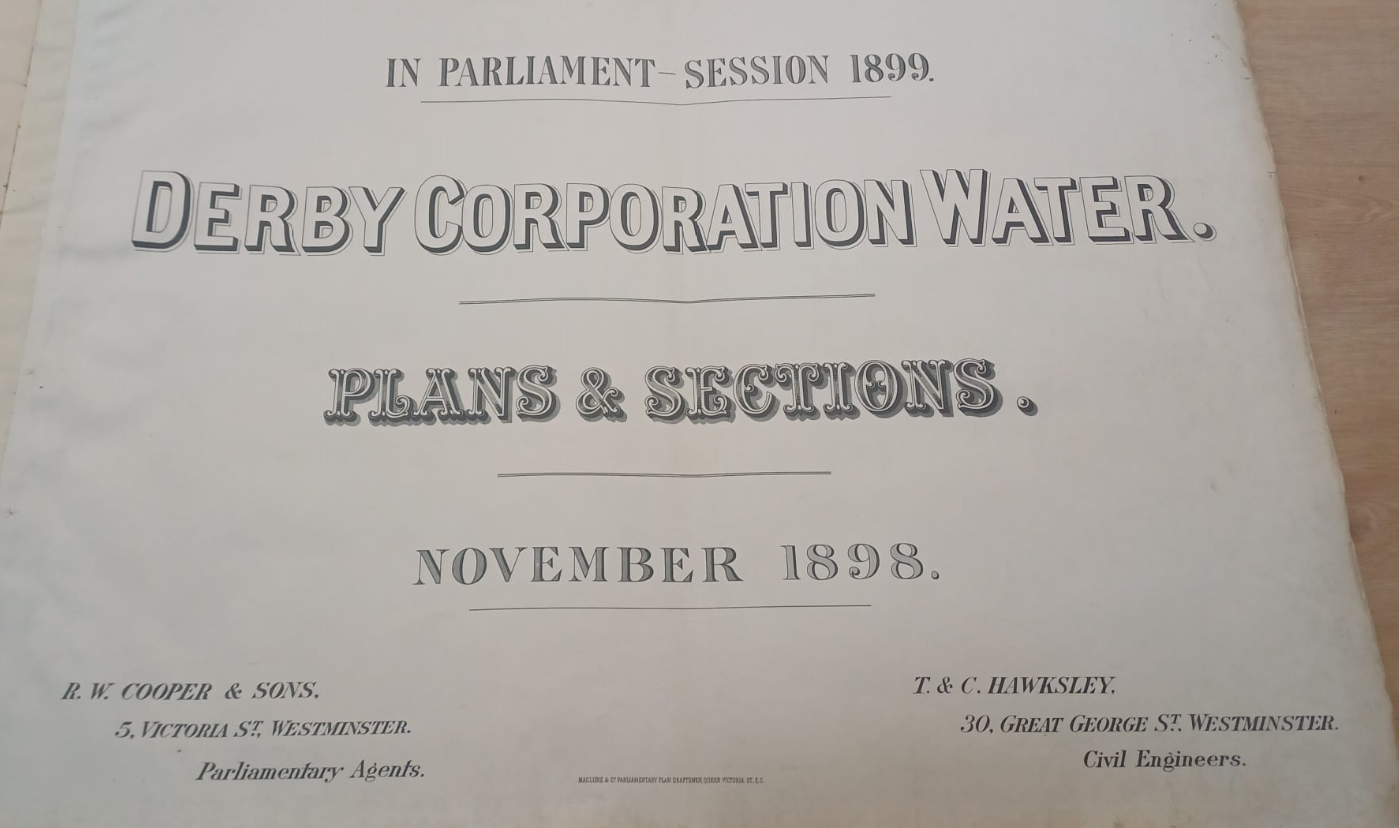
The then Derby Corporation, a forerunner of Severn Trent, drew up the plans for the Upper Derwent Valley (UDV) to create Derwent Reservoir and Dam in 1898, as shown in some of the fascinating archive images.
Nearby Howden Reservoir was also built as part of the original plans, with Ladybower Reservoir added in 1945, completing the three magnificent UDV reservoirs.
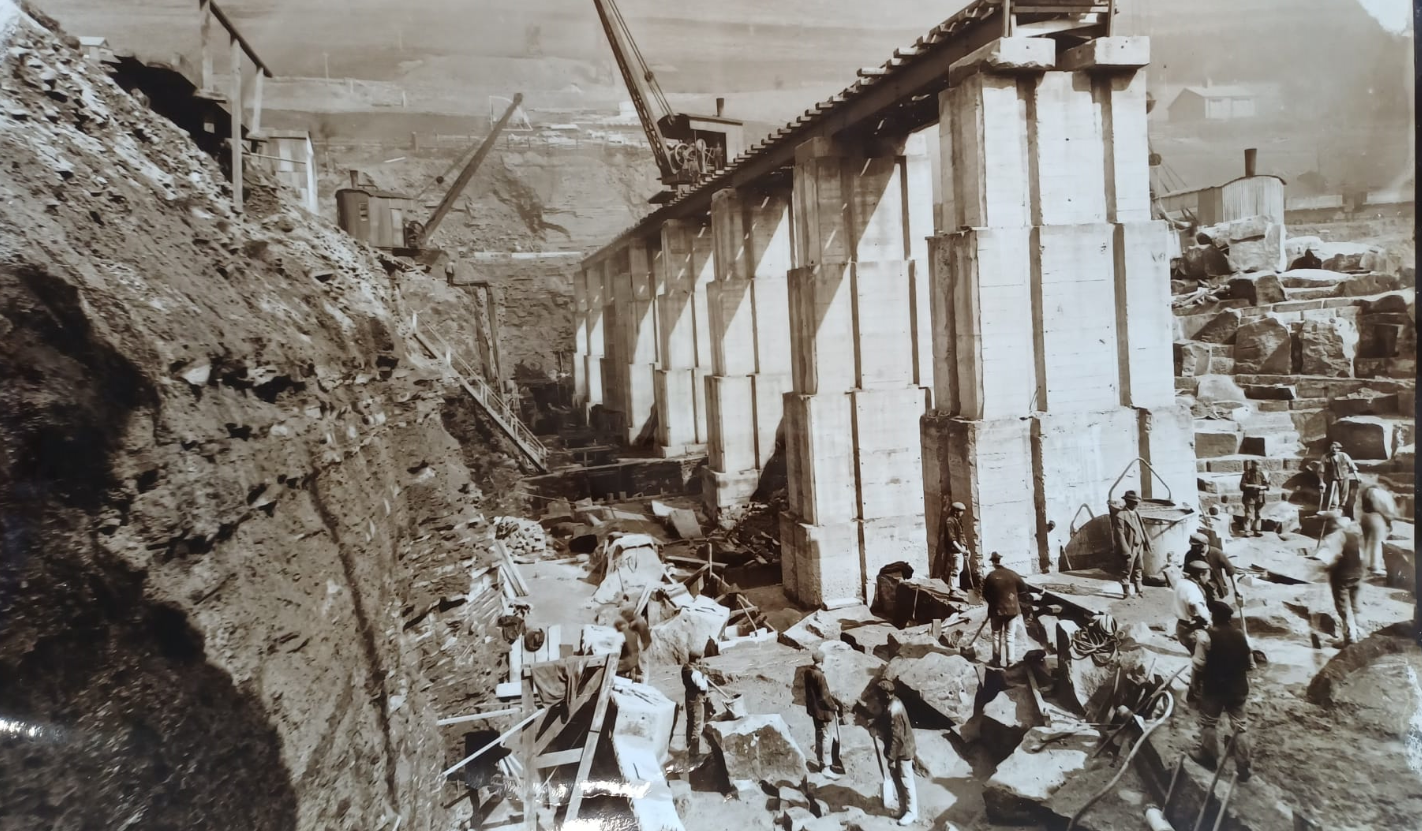
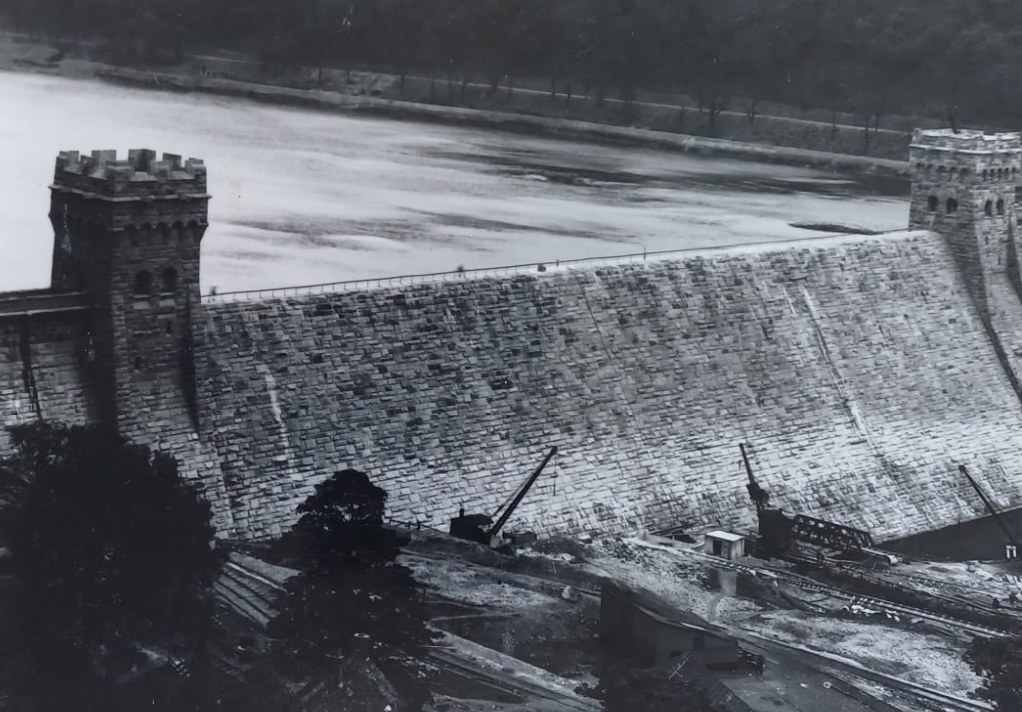
Construction of the Gothic-style Derwent Dam began in 1902, under chief engineer Edward Sandeman, and took until 1916 to complete.
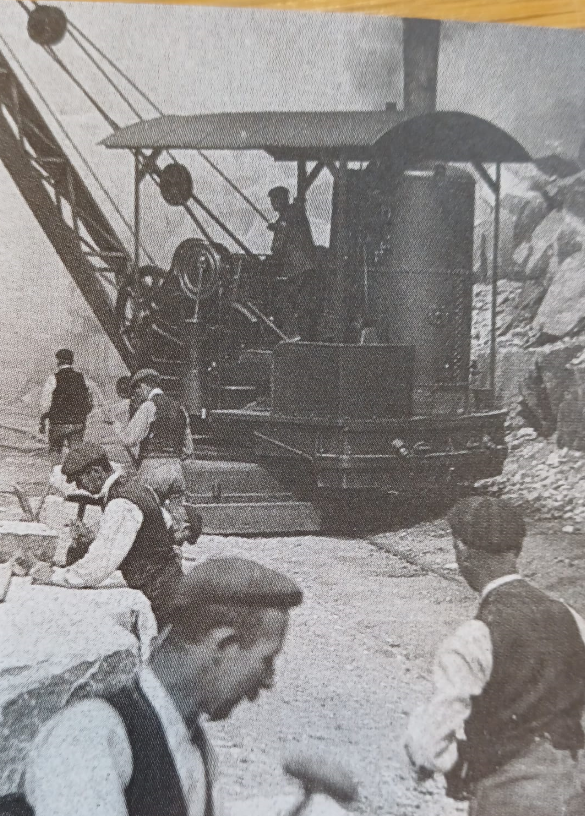
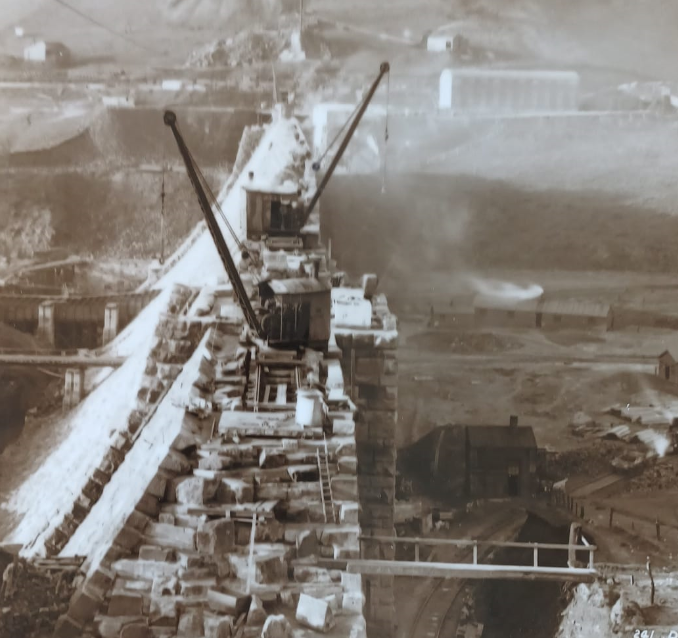
The huge stones that formed the dam were transported from quarries at Bole Hill, Grindleford, by a specially created railway to Bamford and lifted into place by cranes, also seen in the new images.
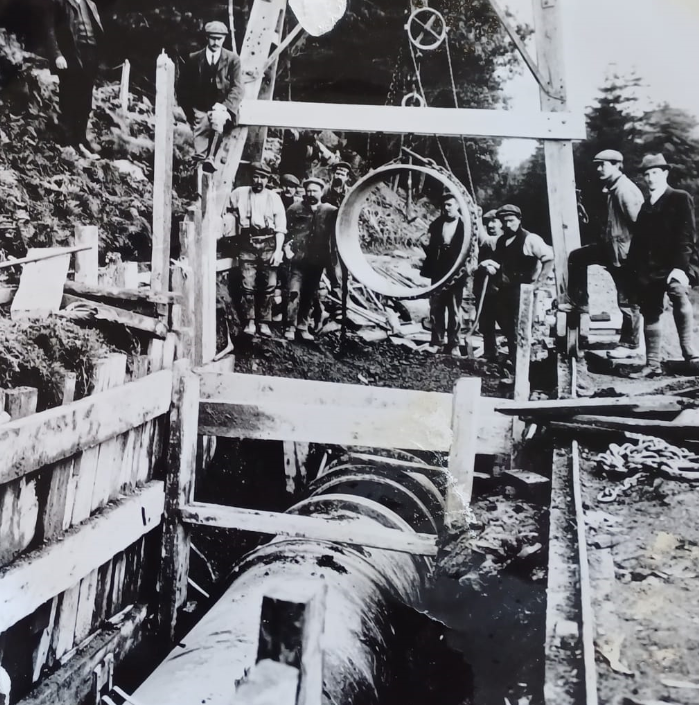
The fascinating pictures also show gangs of cloth-capped men working on the many parts of the project, including tunnel and tower building, as well as dam-wall construction.
The Derwent and Howden projects had around 1,000 people working on them, with the majority housed in prefabricated-style properties in nearby Birchinlee that became known as ‘Tin Town’.
Today, Derwent Reservoir is almost two miles long, covers some 175 acres, and is around 114 ft deep at its maximum depth. It is surrounded by stunning woodlands, full of birds, bats and wildlife.
The site attracts tourists from all over the world who enjoy its rural beauty or come to honour the Dambusters 617 Squadron, who used replica bombs over the dam before those daring raids in Germany on 16 and 17 May 1943.
Donna Marshall, Severn Trent visitor engagement manager, said: “Derwent Dam is stunning and a truly incredible feat of engineering. We are delighted to release these images to mark the 110th anniversary of the completion of the dam, which is a great way to remember all those brave workers involved in its construction.”
Doug Clarke, Severn Trent Water Resources Lead, said: “The construction of Derwent Dam 110 years ago was groundbreaking and shows the importance of ‘past, present and future’ investment plans.
“Generations of people have benefited, and many more will benefit in the future because of that investment in Derwent and the work of these dam builders.
“What the Derwent story shows is how reservoirs are hugely important to water management, storing water during increasingly common wet winters so we can use it during more frequent hot summers.
“Around a third of our water is stored in reservoirs like Derwent Valley, and this stored water is critical for us in managing supplies throughout the year. We never know what the British weather is going to do, and April was quite dry, with lower-than-average rainfall, showing how important it was to fill the reservoirs over winter and store water ready for the year ahead.”
