
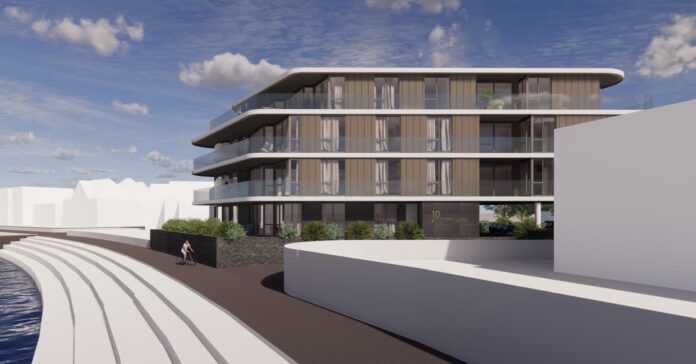
Rushcliffe Borough Council has granted planning permission for a new apartment building on Wilford Lane in West Bridgford, replacing an existing two-storey dwelling close to the River Trent.
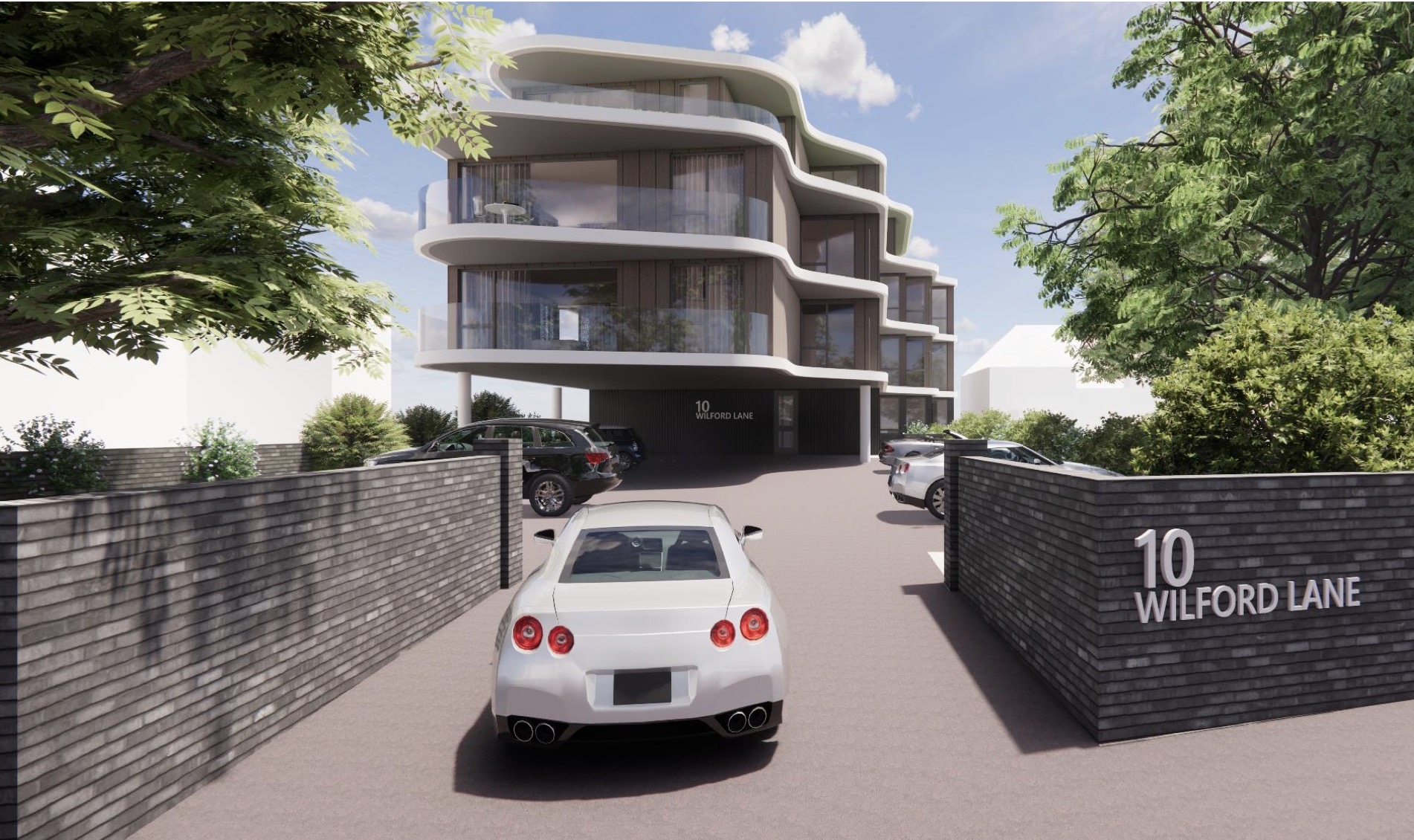
The application, submitted by Oxalis Planning Ltd, covers 10 Wilford Lane and allows the demolition of the existing building and the construction of a contemporary four-storey residential block containing nine apartments. The scheme will comprise eight two-bedroom apartments and one three-bedroom apartment, with access, parking, landscaping and associated infrastructure works.
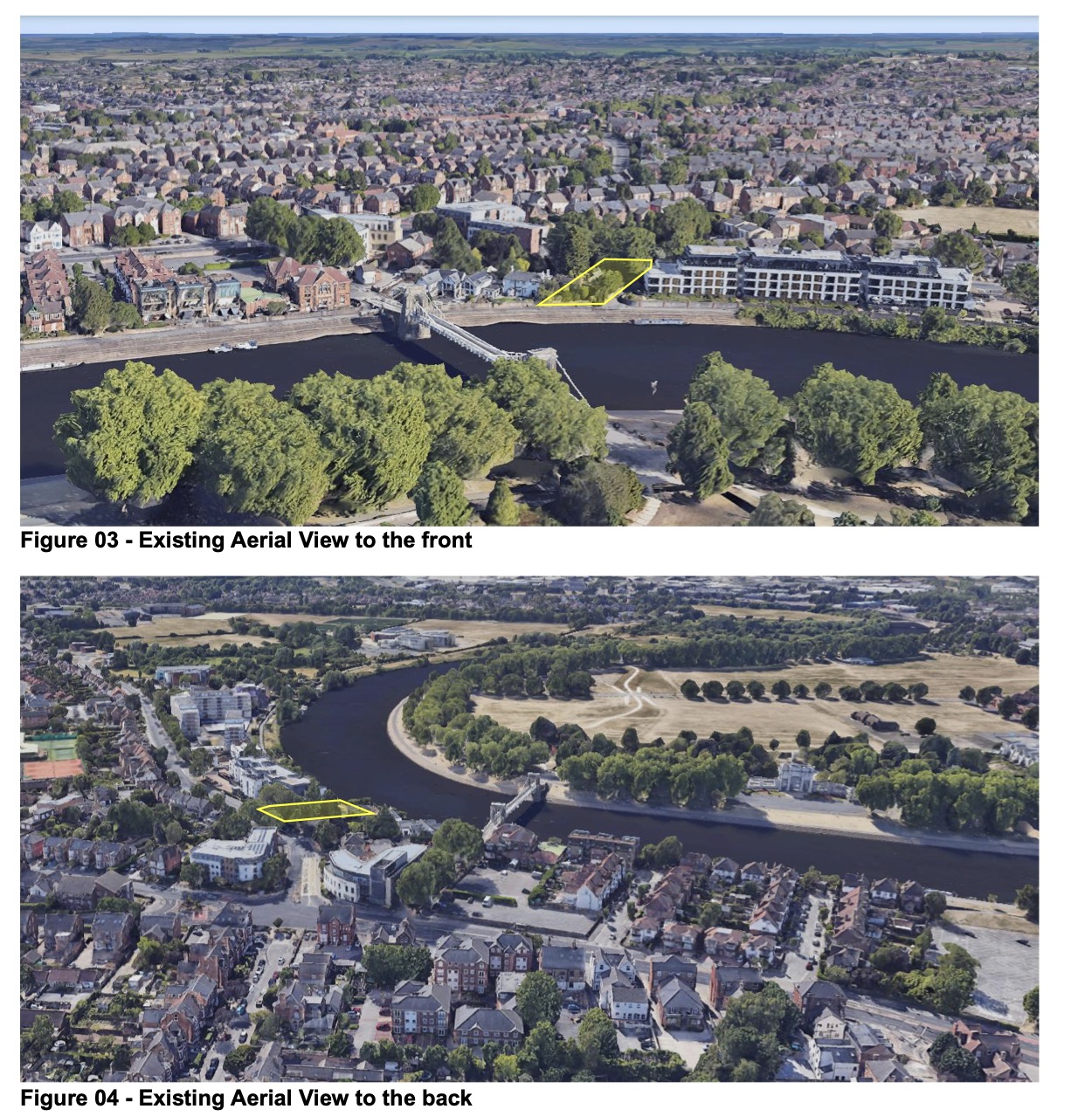
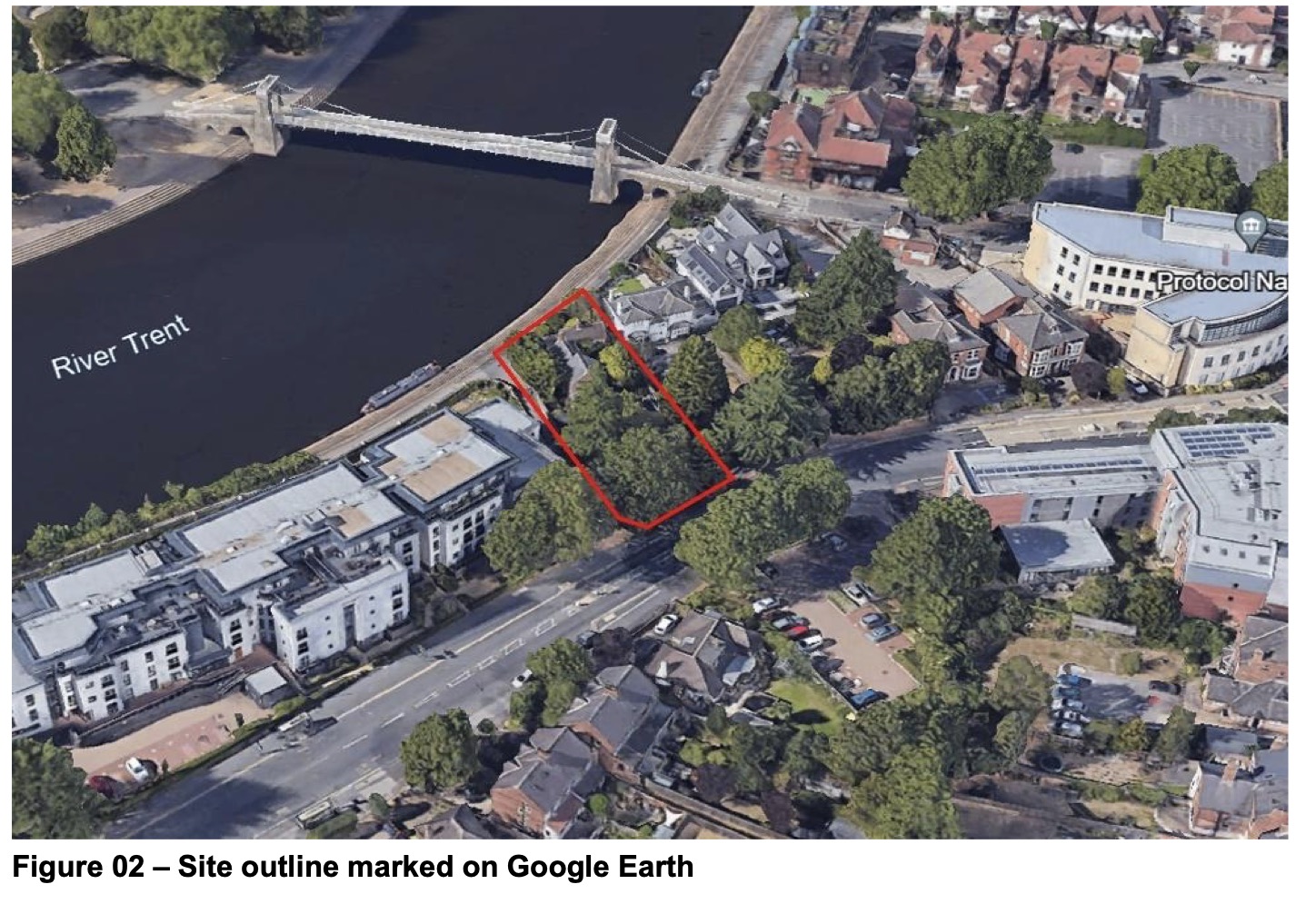
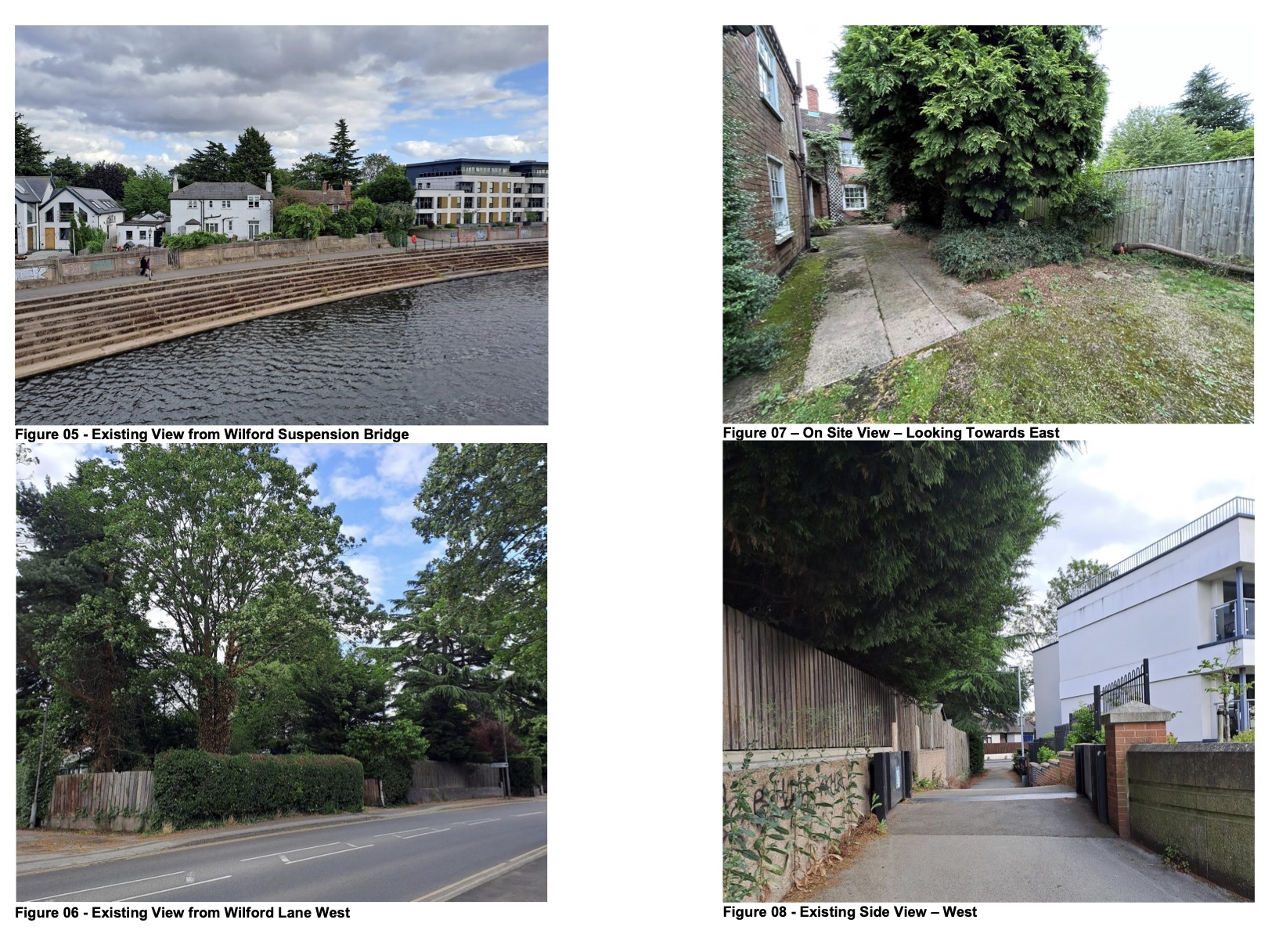
The site is on the north side of Wilford Lane, south of the River Trent and its riverside walkways. It sits between 8A Wilford Lane and the apartment building known as River View Court. The existing property is an L-shaped, two-storey dwelling set towards the rear of the plot, with mature trees to the front and rear.


The approved building will include undercroft parking, with the upper floors larger than the ground-floor footprint. The plans include projecting curved balconies and a recessed top floor. A total of 16 parking spaces are proposed, including one disabled space and three electric vehicle charging points, with access provided by a new relocated entrance from Wilford Lane.
Planning officers said the site is in a sustainable location within West Bridgford, close to local services, shops, restaurants and public transport. The officer report said the principle of residential development was acceptable, subject to detailed consideration of design, heritage, neighbour amenity, highway safety, trees, flood risk and biodiversity.
A key issue was the status of the existing building. The council’s assessment says the dwelling is considered a non-designated heritage asset. Officers said the building is understood to be the oldest in the area, appears on 1835 mapping and was likely associated with the former crossing point on the Trent. The report says it was “very likely” the former ferry-keeper’s cottage for a ferry later replaced by the nearby suspension bridge.
However, officers concluded that the heritage harm caused by demolition would be limited. The report says the building is not in a prominent location, has limited visibility, and is not considered to be of the highest architectural quality. Officers decided the public benefits of the scheme, including the delivery of nine homes on brownfield land in a sustainable urban location, outweighed the limited harm from the loss of the building.
The site is also close to designated heritage assets, including Wilford Suspension Bridge and the Memorial Gardens on the north side of the Trent, which include listed structures. The council’s conservation assessment concluded that the new building would not harm the special significance of those nearby heritage assets.
The design was amended during the planning process after concerns were raised over design and heritage, highways, trees and landscaping, and ecology. Officers concluded that the final scheme was of an appropriate scale and contemporary design for its riverside setting. The report notes that the new building would be taller than the nearby two and two-and-a-half storey buildings, but said this would be mitigated by the recessed top floor and flat roof, and by the presence of other larger buildings nearby.
Local residents raised concerns during consultation, including over the scale and design of the building, overlooking, overshadowing, overbearing impact, trees, contaminated land, and the heritage value of the existing property. Officers assessed the impact on neighbouring properties, including 8A Wilford Lane and River View Court, and concluded that the proposal would not cause a significant adverse effect on residential amenity.
Several conditions have been attached to the permission. These include requirements for balcony details and obscure glazing on north-east facing corner windows serving apartments 1, 3, 6 and 9, intended to protect the amenity of neighbouring properties, particularly 8A Wilford Lane.
The site lies within Flood Zone 3, although it benefits from flood defences. The Environment Agency did not object, subject to conditions. The approved plans require finished floor levels to be set no lower than 25.65 metres above Ordnance Datum, with flood resilience and resistance measures set 300mm above that level. A flood evacuation plan must also be approved before the apartments are occupied.
The permission also requires works linked to the existing flood wall. The approved flood wall strengthening proposals include tying the new building’s foundations into the flood wall capping beam and increasing the thickness of the wall along its full length. Environment Agency access for inspection purposes must be maintained through a replacement gate on the western boundary, and defects identified by the agency must be rectified by the site owner or operator within 60 days of notification.
Highway matters were also considered. Nottinghamshire County Council’s highways team initially raised concerns about pedestrian visibility splays, turning space and cycle parking. Following amended plans, officers concluded the access and turning arrangements were acceptable. The development will need to provide hard-bound access, parking, turning and servicing areas, a dropped vehicular crossing, visibility splays, cycle parking, a construction method statement and wheel-washing arrangements.
The council’s report notes that 16 parking spaces fall below the standard that would normally require 18 allocated and three visitor spaces for the mix of apartments proposed. However, highways officers did not object, and the borough council accepted that the site’s urban location, close to amenities, bus stops and cycling routes, meant the shortfall would not justify refusal on highway safety grounds.
The development will also be subject to ecological and landscaping controls. Before demolition or tree removal, an ecological mitigation and enhancement plan must be approved. If demolition has not started before December 2026, an updated Preliminary Ecological Appraisal will be required. A Biodiversity Gain Plan must also be submitted and approved before development begins.
Tree removal is included in the scheme, involving three groups of trees and five individual trees, all assessed as Category C. Officers accepted the removals subject to conditions requiring further landscaping details and tree protection measures. A 30-year habitat maintenance and monitoring plan will also be required before first use of the development.
The permission requires the development to begin within three years. Before work can start, the applicant must satisfy a number of pre-commencement conditions, including details covering tree protection, construction management, remediation of contamination, drainage, archaeology and biodiversity. No demolition can begin until the council has received evidence of a binding legal contract for the redevelopment works, intended to ensure the site is rebuilt after the loss of the non-designated heritage asset.
