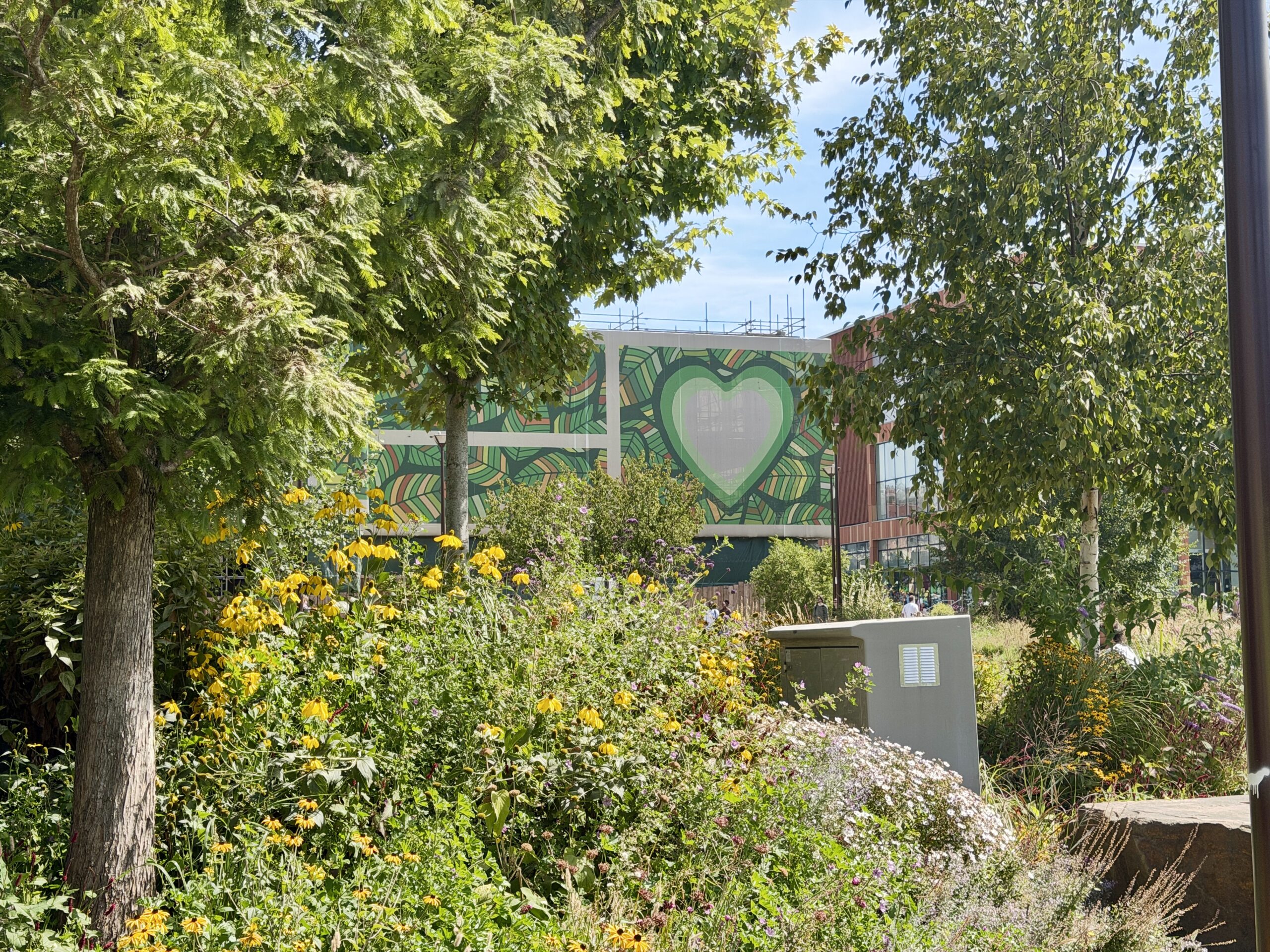
Nottingham City Council has backed plans to create more green spaces across the city, with a commitment to making them safer and more accessible for women and girls.
Councillors approved a motion on Monday (9 November) supporting the city’s ambition to become a ‘forest city’ by 2030, with more trees, planting and urban green spaces.



The proposals include ensuring new developments are rich in nature, seeking additional public and private funding for the council’s ‘grey to green’ programme, and considering women’s safety when designing public spaces.
Measures could include improved lighting, CCTV, clear sightlines and better maintenance, building on the approach taken at the Green Heart park in Broad Marsh.
Cllr Sam Lux (Lab), the council’s executive member for environment, climate and energy, said the authority intended to invest in measures to “systematically vegetate Nottingham”.
The approach takes inspiration from Paris, where hundreds of gardeners maintain urban forests intended to help reduce temperatures in built-up areas.
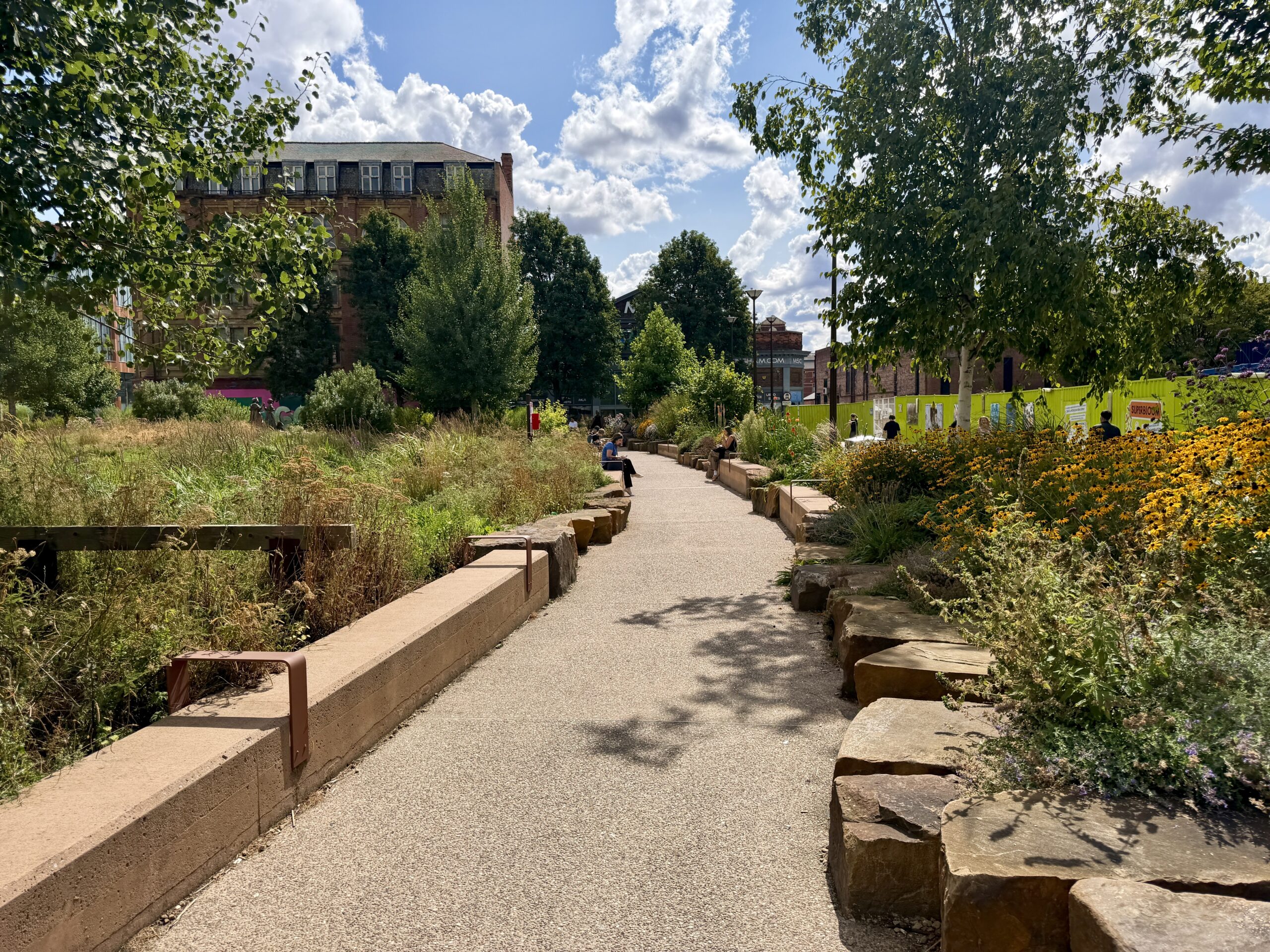
Nottingham hopes to involve its 1,000-strong network of Green Guardian volunteers.
Cllr Nayab Patel (Lab), who seconded the motion, said women’s safety would be considered from the earliest stages of designing green spaces.
She said: “We are going to ensure they are designed with safety considerations in mind, and that at the design stage they are made in a way that women feel welcomed, especially women from BAME backgrounds.
“This will include clear sightlines and good maintenance. We are also proposing more active use of green spaces. There is less of a likelihood of anti-social behaviour when there are more people around.”

She said community engagement would also be important in encouraging women to use public spaces confidently.
The plans follow commitments to spend £3.5 million improving Old Market Square, including additional greenery and a new water feature.
The council has also pledged £1.5 million for its ‘grey to green’ programme, including improvements around Sneinton Market and Upper Parliament Street.
The proposals come after research by the Wildlife Trusts identified Nottingham East as the third most nature-deprived parliamentary constituency in England.
Speaking at the Full Council meeting, Cllr Lux said opportunities for new planting included central reservations, unused parking spaces and areas affected by fly-tipping.
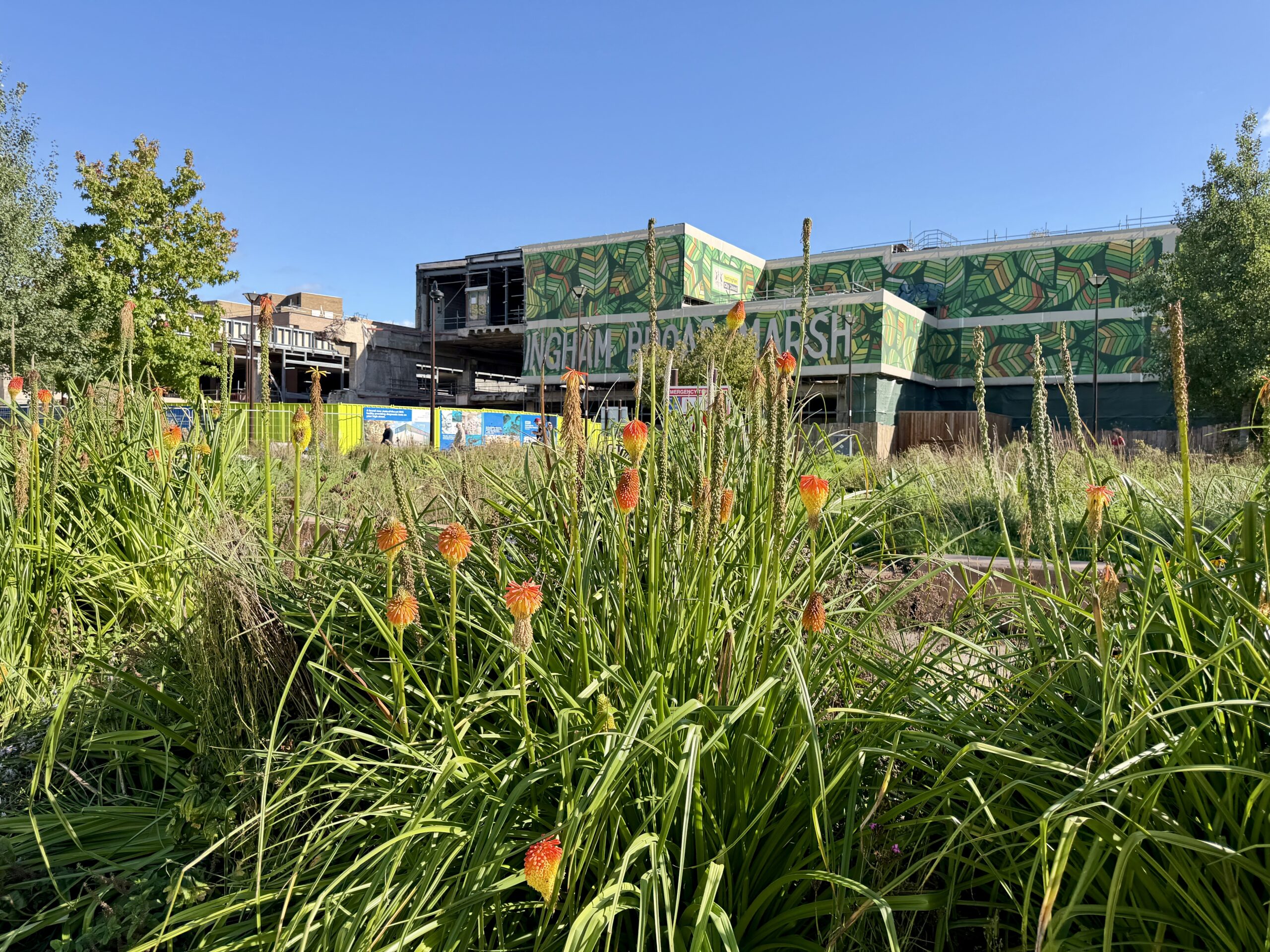
She argued that creating and maintaining green spaces could help reduce anti-social behaviour while making the city more resilient to extreme weather.
“Climate change is happening a lot quicker than we previously thought and unfortunately no matter what we do from this point now a severe degree of warming is locked in now,” she said.
Cllr Lux warned that heatwaves posed particular risks to lower-income residents and said urban planting could help reduce surface temperatures and absorb rainwater during heavy rainfall.
She cited research from the University of Melbourne which found that some urban greening measures could reduce heat radiating from pavements by 18C.
“Even if we could achieve just a fraction of that, that would have an absolutely amazing impact for Nottingham,” she said.
Cllr Lux also maintained that the council remained on track to meet its target of becoming carbon neutral by 2028.
Deputy council leader Cllr Ethan Radford (Lab) added: “It isn’t about making an area prettier, it is now critically essential.”
By Joe Locker, Local Democracy Reporter
