Plans for a major development east of Gamston would result in the loss of approximately 1.9 kilometres of hedgerows and permanently reduce habitat for several farmland bird species, according to environmental reports submitted with the planning application.
The proposals, submitted on behalf of Nottinghamshire County Council, include up to 550 homes, employment land, land for a secondary school, a gypsy and traveller site and associated infrastructure on land east of Gamston and north of Tollerton.



Detailed ecological surveys carried out during 2026 have recorded breeding activity involving several bird species of conservation concern, alongside significant bat activity concentrated around existing hedgerows.
The findings are contained in the Ecology and Nature Conservation chapter of the Environmental Statement and separate bird, bat and biodiversity reports prepared by environmental consultants FPCR.
The environmental assessment confirms that approximately 1,905 metres of hedgerows would be removed, representing around 34 per cent of the existing hedgerow network.
This includes approximately 725 metres alongside the A52, with additional losses associated with access roads and other infrastructure.
The site contains 29 hedgerows, the majority of which qualify as Habitats of Principal Importance under biodiversity legislation. Although none meets the criteria for an Important hedgerow under the Hedgerow Regulations 1997, the assessment identifies the network as providing shelter, feeding opportunities and connections between habitats for wildlife.
Farmland bird species of particular importance
| Species | Breeding evidence | Peak count during breeding surveys |
|---|---|---|
| Skylark | Probable breeding | 53 |
| Linnet | Confirmed breeding | 19 |
| Yellowhammer | Probable breeding | 17 |
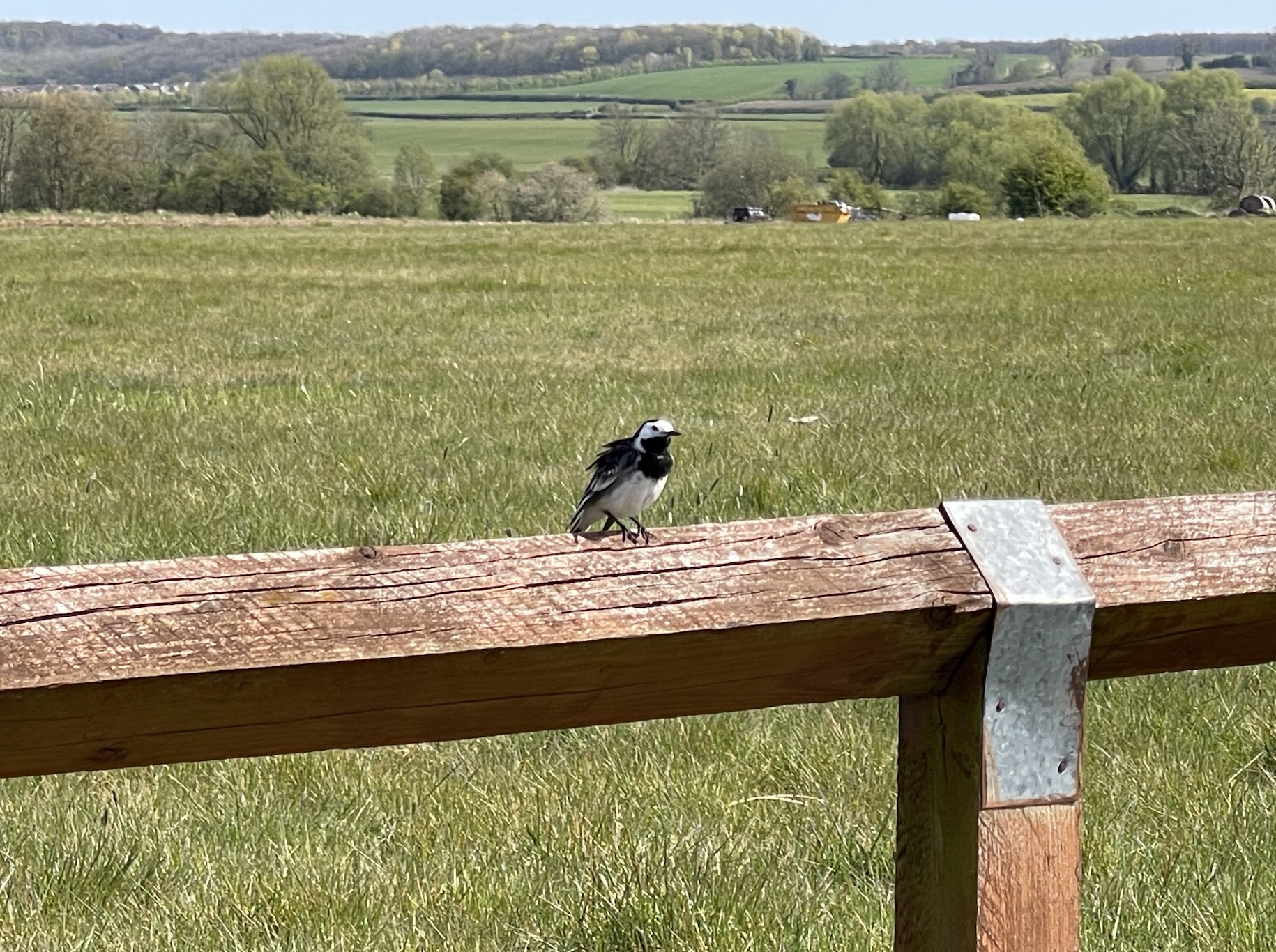
| Yellow wagtail | Confirmed breeding | 5 |
| Grey partridge | Probable breeding | 4 |
Source: Combined Bird Report, Table 3, PDF pages 11–12.
Six breeding bird surveys undertaken between March and July 2026 recorded 52 species, including 21 classed as notable because of their conservation status or legal protection.
Among the species recorded were skylark, grey partridge, yellow wagtail, linnet and yellowhammer, all associated with agricultural land and field boundaries.
The surveys identified probable breeding by skylarks, grey partridges and yellowhammers, while breeding by yellow wagtails and linnets was confirmed.
Peak counts recorded during the surveys included 53 skylarks, 19 linnets, 17 yellowhammers, five yellow wagtails and four grey partridges.
These figures represent the highest numbers recorded during individual survey visits rather than estimates of breeding pairs. The report notes that the highest skylark count was likely influenced by gatherings of birds after breeding, potentially including individuals from neighbouring fields.
An active buzzard nest containing chicks was also recorded in a mature tree between two fields in the southern part of the site.
Other notable species recorded
The report identifies the following additional species during the breeding-season surveys:
| Species | Breeding status |
|---|---|
| Starling | Confirmed |
| Dunnock | Confirmed |
| Woodpigeon | Probable |
| Whitethroat | Probable |
| Wren | Probable |
| Song thrush | Probable |
| House sparrow | Probable |
| Reed bunting | Probable |
| Stock dove | Possible |
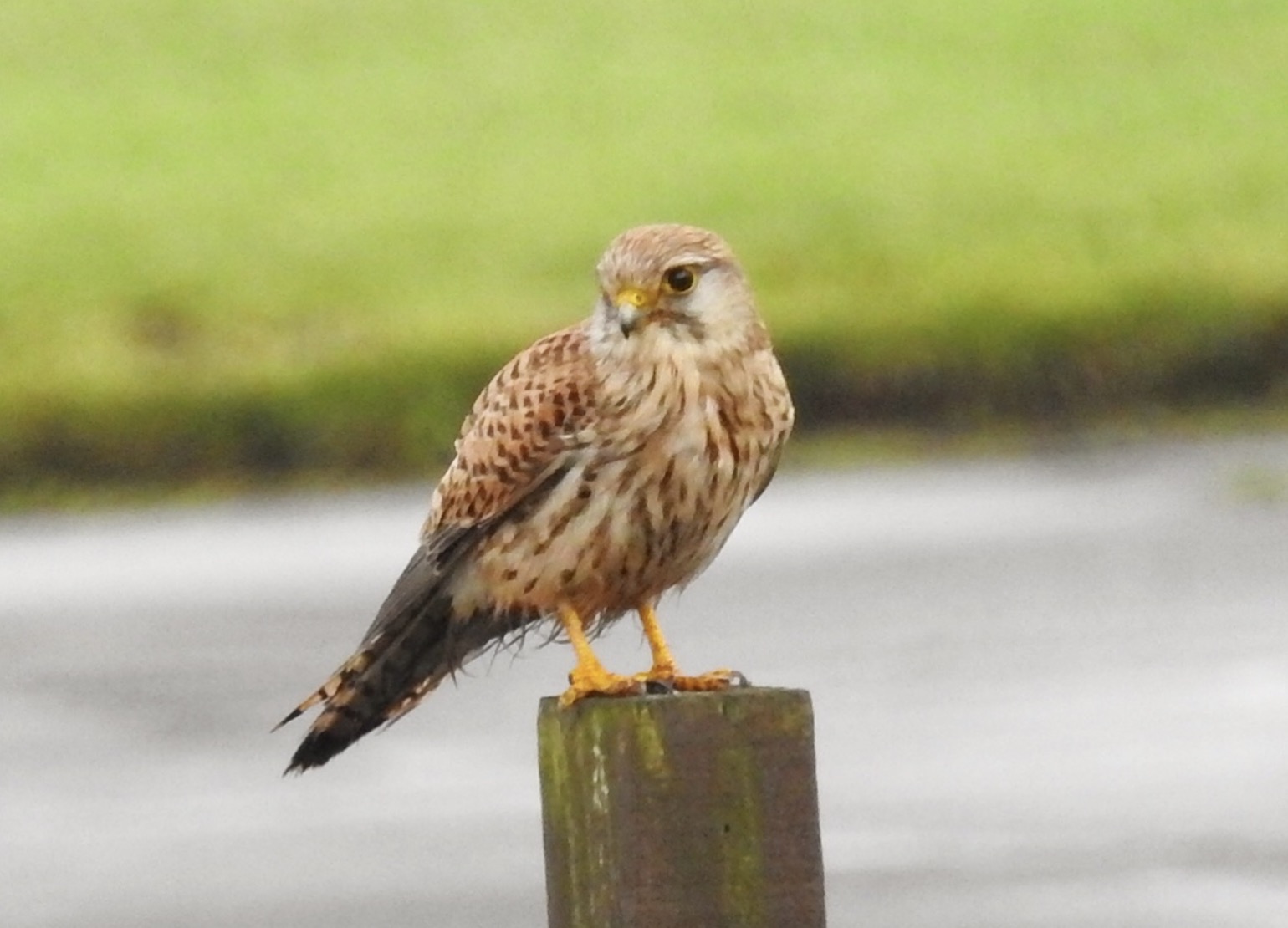
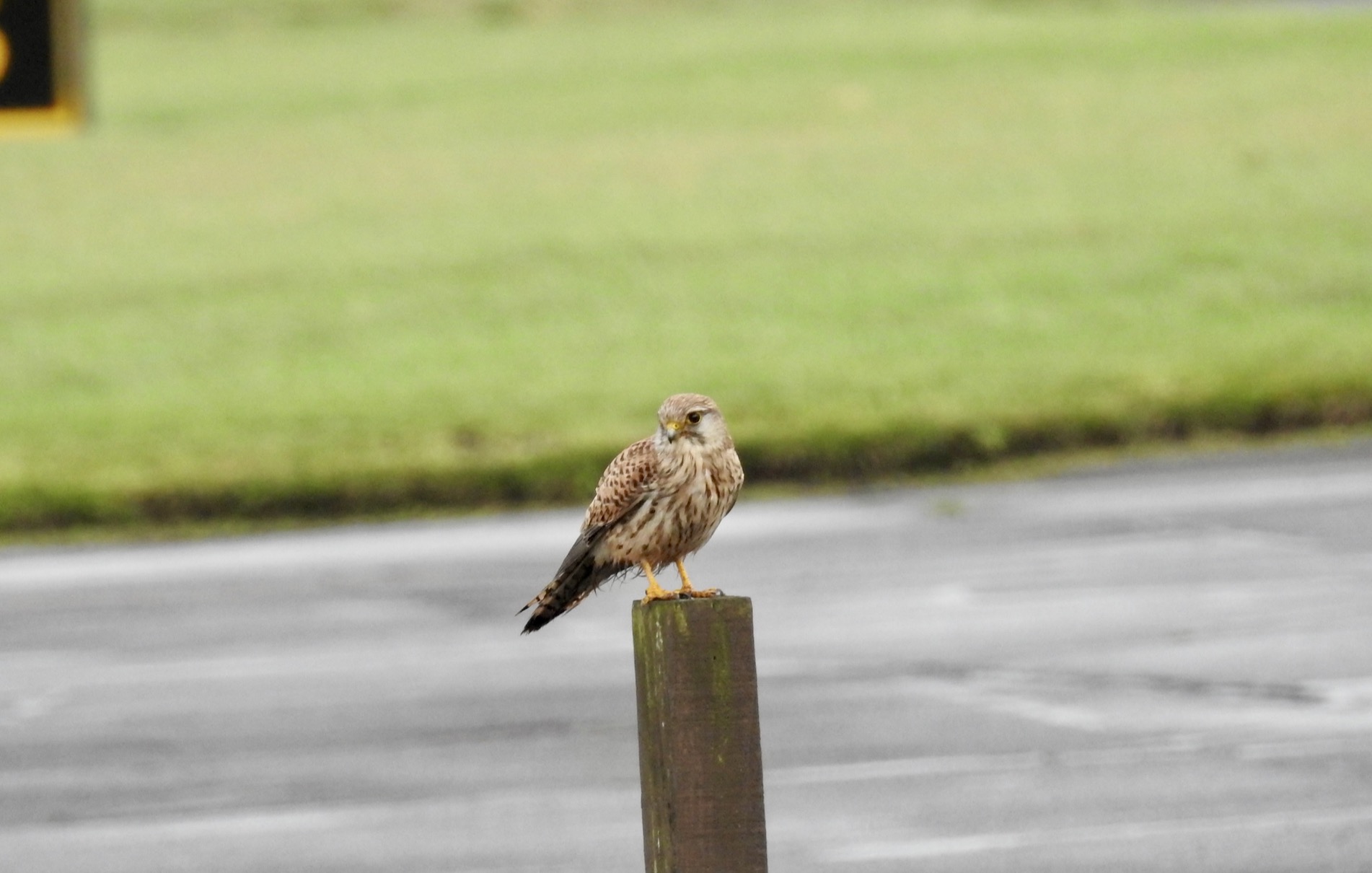
| Kestrel | Possible |
| Greenfinch | Possible |
| Curlew | Non-breeder |
| Swift | Non-breeder |
| House martin | Non-breeder |
| Fieldfare | Non-breeder |
| Meadow pipit | Non-breeder |
Other notable species observed during the breeding season included kestrel, stock dove, starling, house sparrow, whitethroat, greenfinch, reed bunting and song thrush.
A curlew was also recorded during one survey, although the consultants concluded that it was not breeding within the application site.
Two winter bird surveys undertaken in February 2026 recorded 37 species, including 17 notable species.
Peak winter counts included 47 skylarks, 41 yellowhammers, eight grey partridges, 17 meadow pipits and 60 redwings.
The Combined Bird Report states that the development would remove all existing arable farmland habitat within the site, substantially reducing its suitability for farmland birds, particularly those dependent on open fields for nesting and feeding.
It also identifies the loss and fragmentation of hedgerows as reducing breeding opportunities for species including yellowhammer, linnet, whitethroat, greenfinch and dunnock.
The assessment acknowledges that replacement planting and new green spaces would benefit some species but would not fully compensate for the loss of open agricultural land used by ground-nesting birds.
The wider Environmental Statement concludes that the impacts of habitat loss on ground-nesting farmland birds would remain permanently adverse, even after mitigation.
These impacts are assessed as minor adverse at a local level and are therefore not considered significant under the Environmental Impact Assessment methodology.
A similar permanent adverse effect is identified for wintering farmland birds.
The reports also consider the combined ecological impact of other proposed developments within the wider East of Gamston and North of Tollerton strategic allocation.
Assessments for neighbouring applications have identified adverse effects on breeding skylarks and curlews, including a significant residual effect on wintering skylarks at a local-to-county level in one adjoining development.
The Environmental Statement acknowledges that development across the wider allocation would unavoidably displace some farmland birds, particularly species dependent on open countryside.
However, the consultants consider that suitable agricultural habitat would remain available in the surrounding area.
Separate bat surveys carried out between April and October 2026 recorded 31,982 acoustic registrations across 12 bat species or identification groups.
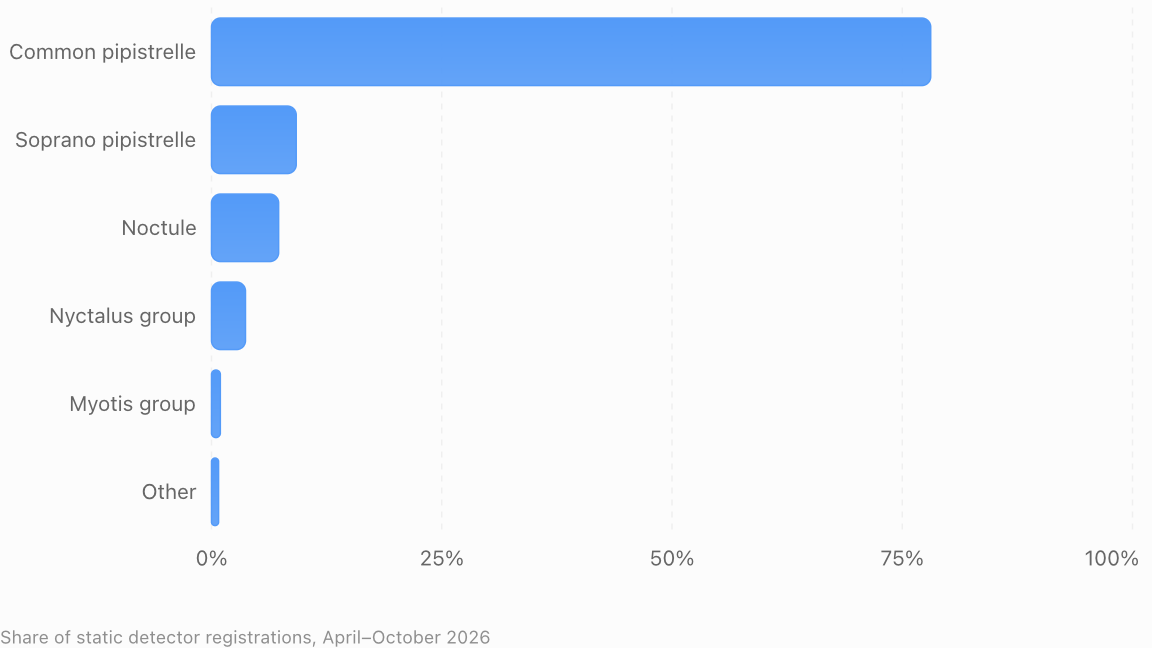
Common pipistrelles accounted for approximately 78 per cent of recordings, followed by soprano pipistrelles at around nine per cent and noctules at seven per cent.
Less frequently recorded species included barbastelle, brown long-eared, Nathusius’ pipistrelle, Leisler’s and serotine bats.
westbridgfordwire.com
The figures represent acoustic detections and do not indicate that 31,982 individual bats were present, as the same animal can be recorded repeatedly.
The highest level of activity was recorded along the western boundary beside the A52, where a detector positioned at hedgerow H29 registered 14,906 bat passes.
The report identifies this relatively unmanaged hedgerow and adjoining woodland as providing feeding habitat and a connection through the landscape along the eastern edge of Gamston and Edwalton.
Most of this hedgerow would be removed to facilitate access from the A52.
The bat assessment identifies potential impacts from the loss of feeding and commuting habitat and from artificial lighting, particularly for light-sensitive species such as barbastelle, brown long-eared bats and some Myotis species.
However, the consultants conclude that replacement planting, retained boundary vegetation and a sensitive lighting strategy would maintain habitat connections and avoid significant adverse effects on the local bat population.
No bat roosts were identified within the application site, and the surveys did not identify any significant commuting routes.
The ecological assessment also records badger activity, including a partially active outlier sett which would be lost during construction. Precautionary measures would be required to comply with wildlife protection legislation.
The reports identify potential effects beyond the development boundary, including increased recreational pressure on the Grantham Canal Local Wildlife Site, approximately 130 metres to the north.
Additional walking, cycling and dog walking associated with development across the wider allocation could increase disturbance, littering and localised habitat deterioration along the canal.
The environmental assessment considers these effects manageable through the provision of alternative open spaces, information boards and habitat management.
A separate Biodiversity Net Gain Report calculates that the proposed development would reduce on-site habitat biodiversity units from 114.65 to 82.50, a reduction of 28.05 per cent.
The report acknowledges that the scheme does not currently meet the statutory requirement for a 10 per cent biodiversity gain through on-site measures alone.
It states that additional off-site habitat provision would be needed to meet the requirement.
The proposals include new native hedgerows, woodland planting, species-rich grassland, scrub, drainage features designed to support wildlife and nesting opportunities incorporated into buildings.
westbridgfordwire.com
Replacement planting and long-term management are intended to compensate for the loss of established habitats and create new wildlife corridors.
The environmental assessment concludes that, subject to these measures being implemented, no significant adverse residual ecological effects have been identified.
However, it separately acknowledges that permanent minor adverse effects on farmland birds would remain.
The Combined Bird Report also confirms that only two of the four planned winter bird surveys had been completed when the assessment was prepared, with further surveys scheduled for November and December 2026.
The ecological assessment also identified evidence of badger activity, including a partially active outlier sett and several disused setts.
The report confirms that one outlier sett would be lost as a result of development. It also identifies potential risks to badgers from construction activity, including disturbance, restrictions on movement and accidental injury. The consultants assess the site’s ecological importance for badgers as below local level but acknowledge that legal safeguards would be required.

© westbridgfordwire.com
Records of other mammals, including hedgehogs, brown hares, harvest mice, otters, polecats, water shrews and water voles, were also identified in the surrounding area. Although the assessment considers parts of the development site suitable for hedgehogs and brown hares, neither was recorded during the site surveys. The land was assessed as having limited or negligible suitability for the other species.
What the ecological assessment establishes
| Mammal | Evidence | Assessment |
|---|---|---|
| Badger | One partially active outlier sett, several disused setts and signs of activity | One sett would be lost; protected-species safeguards required |
| Bats | 31,982 acoustic registrations across 12 species or identification groups | Hedgerow loss and lighting impacts identified; mitigation proposed |
| Hedgehog | Several records in the wider area; suitable habitat on site | Not observed during the site surveys |
| Brown hare | One record from the wider area; suitable habitat on site | Not observed during the site surveys |
| Harvest mouse | Historical records in the wider area | Very limited or negligible suitable habitat on site |
| Otter, polecat, water shrew and water vole | Records in the wider area | Site assessed as having negligible suitability |
The planning application, reference 26/01891/OUT, remains subject to consideration by Rushcliffe Borough Council.
