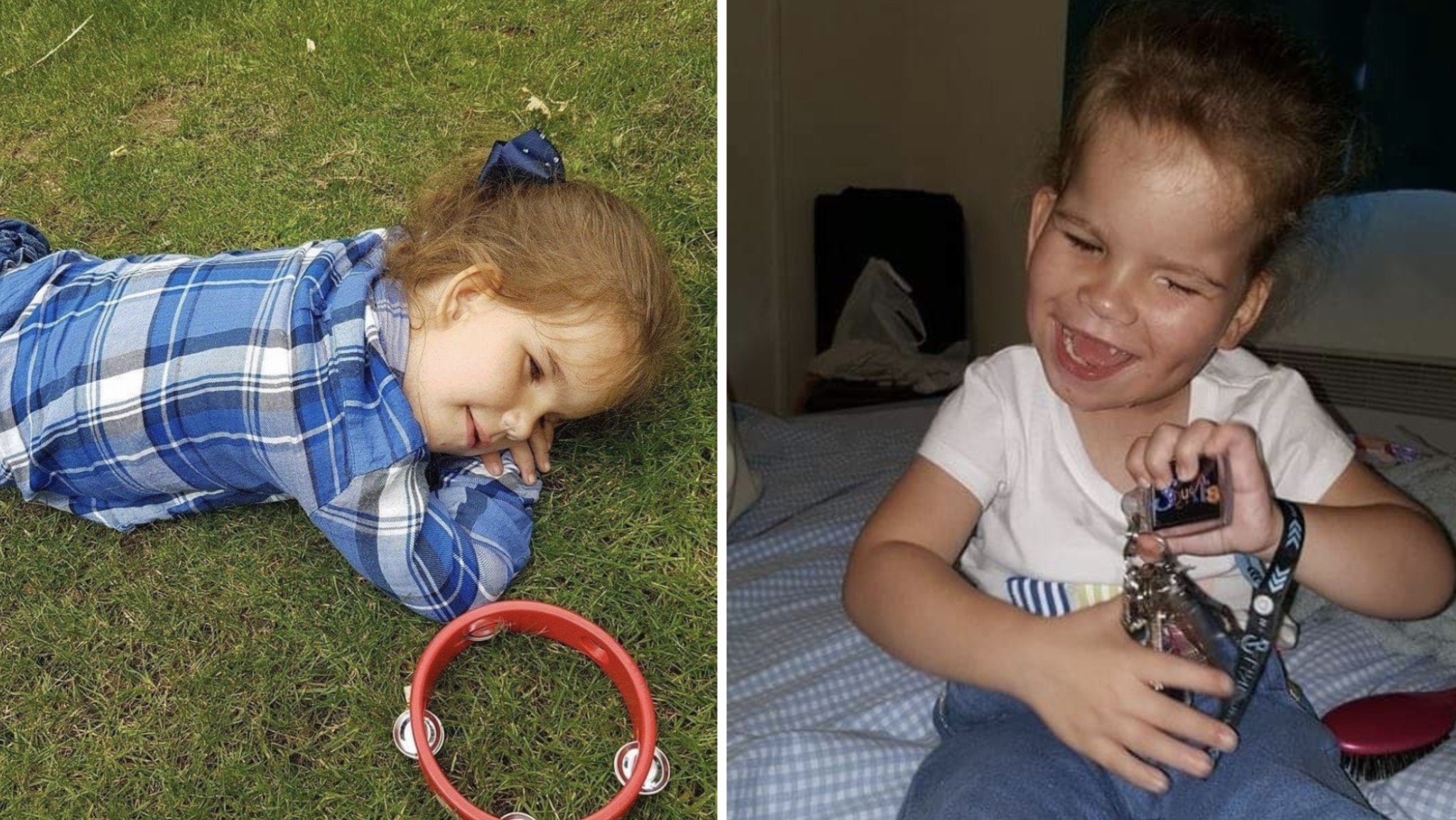
A Nottingham mother has hit out at NHS staff after doctors ignored warnings about her daughter’s seizures shortly before she died, aged just 10.
Amelia Richardson died aged 10 in September 2020 after repeated opportunities to diagnose her epilepsy were missed.


Amelia Richardson passed away on 16 September 2020 from Sudden Unexpected Death in Epilepsy (SUDEP), with a coroner’s report later blaming medics for missing opportunities to refer her for further investigation.
Her condition had gone undiagnosed despite repeated hospital visits with her mother, during which hospital staff even witnessed Amelia suffering a seizure in front of them.
Nottingham University Hospitals NHS Trust has now admitted breaches in Amelia’s care and accepted that a referral to a paediatrician would have led to an epilepsy diagnosis, potentially saving her life.
A brain test carried out days after the episode witnessed by medics found no abnormal activity linked to epilepsy, but Amelia continued to suffer suspected seizures and episodes of unresponsiveness.
Amelia was born with hydrocephalus, a build-up of fluid on the brain, and had a shunt fitted. She also had a rare congenital condition called Oculocerebrocutaneous syndrome, which affected her development. Experts concluded that her existing conditions would not have significantly reduced her life expectancy.
By December 2019, she was still having episodes, sometimes up to twice a day when she was unwell, but no further investigation was planned.
Amelia’s heartbroken mother, Zoe Richardson, said: “When she wasn’t responding, it was very scary.
“Her legs would make cycling movements, her hands would clench inwards and sometimes her whole body would stiffen.
“No parent should witness what I witnessed.”
Experts later concluded that epilepsy medication would have reduced the number and severity of Amelia’s seizures.
The case comes months after the Ockenden review into maternity and neonatal services at Nottingham University Hospitals NHS Trust highlighted families’ experiences of feeling ignored when raising concerns.
“We took her to hospital on numerous occasions, but they kept putting the episodes down to viral illnesses or muscle spasms.
“I knew they were seizures, and even her dad was saying it, but they wouldn’t listen.
“They basically told me there were no findings of epilepsy and that was it really. No follow-up. Nothing.
“The fact that they witnessed them and still nothing was done, they let her down. She was 10 years old. She still had her whole life ahead of her.”
Amelia was Zoe’s only child and a “granddad’s girl” who loved singing Adele in the back of the car on family trips.
“She was such an amazing little girl. She loved everybody and touched a lot of people’s hearts,” Zoe added.
“If you were having a bad day, Amelia would brighten up your day and make you laugh.
“She was my world. I made my baby a promise that I wouldn’t give up until I got justice for her.
“No amount of money will bring my girl back, but I want the NHS to learn from what happened to Amelia. I don’t want another family to go through what I’ve been through.”
Amelia became unwell again in the days before her death, suffering another seizure the night before she died. She later recovered and managed to begin eating, which Zoe took as a sign that she was getting better.
The following morning, Zoe became concerned when she could not hear Amelia calling for her as usual and found her unresponsive in her bedroom. Attempts to resuscitate her were unsuccessful.
Independent experts later concluded that Amelia’s death would have been avoided but for the breaches in her care.
The Trust admitted breaches in Amelia’s care but disputed that her death would have been prevented, arguing that treatment would not have eliminated the risk of SUDEP. The claim has now been settled for £32,000.
Amina Ali, Partner and Head of Clinical Negligence at Veritas Solicitors, who represented Zoe, said:
“The most difficult part of this case was that getting an answer about Amelia’s epilepsy did not resolve the question Zoe had been left with about her daughter’s death.
“The Trust accepted that an earlier referral would have led to a diagnosis but did not accept that treatment would have prevented her death.
“For Zoe, having spent years trying to understand what happened to her daughter, that was incredibly difficult.
“The settlement brings the legal case to an end, but I hope the lessons from what happened to Amelia are not lost.”
