
Nottingham City Council is forecasting a £10.3 million budget surplus for the current financial year, although rising adult social care costs, a substantial special educational needs funding deficit and delays to major capital projects remain significant financial challenges.
A budget monitoring report covering the six months to 30 September 2026 shows the council expects to spend £9.3 million less than its approved net expenditure budget of £419.9 million.



The forecast year-end surplus of £10.3 million compares with the £1.1 million surplus originally budgeted, representing an improvement of £9.5 million since the first quarter of the financial year.
The figures will be considered by Nottingham City Council’s Executive Board on Tuesday 17 November.
The improvement comes as the council continues to implement savings measures following several years of financial difficulties. The report says its financial position strengthened during 2025/26, although continued expenditure controls and delivery of planned savings remain necessary.
Of the £9.5 million improvement since the previous forecast, £6.9 million relates to corporate budgets, including lower borrowing and capital financing costs and savings against budgets for pay increases.
A further £2.6 million improvement has been recorded across council services.
However, the overall financial position continues to conceal considerable differences between departments, particularly in services where expenditure depends on the number of people requiring support.
Adult Social Care and Public Health is forecasting a £5.6 million overspend, an increase of £1.5 million compared with the first-quarter position.
The largest pressure is within Access and Prevention services, where spending is forecast to exceed the £63.9 million budget by £5.1 million.
External care packages alone are expected to cost £7.2 million more than budgeted. The report identifies an increase of 51 people requiring support since the previous quarter, alongside rising average weekly care costs.
Additional income from the NHS and contributions towards jointly funded care packages has helped offset some of the pressure.
The council also faces difficulties delivering savings within adult social care. Of the department’s £11.7 million savings requirement, 78 per cent is currently forecast to be achieved during 2026/27, with £3.3 million of the expected savings still considered at risk.
Across the authority, £34.4 million of the £37.5 million savings programme is forecast to be delivered this financial year, equivalent to 92 per cent.
The programme includes £21.3 million of new savings approved for 2026/27 and £16.2 million of previously agreed savings that had not been delivered in earlier years.
Around £3 million is currently forecast not to be achieved this year, although approximately £1.5 million of that amount is expected to be delivered in 2027/28.
The council says £9.3 million of the savings currently included in its forecasts remains at risk and will require further management action.
Children’s and Education Services is forecasting a £2.9 million underspend, helped by lower expenditure on some children’s placements, vacancies and the use of grant funding.
Children’s social care expenditure is expected to be £6.1 million below budget, while Family Help services are forecasting a £4.9 million underspend.
The report attributes some of these savings to vacancies being held while the council implements its new staffing and operating arrangements.
However, the council’s separate Dedicated Schools Grant budget continues to face substantial pressure.

The High Needs funding block, which supports children and young people with special educational needs and disabilities, is forecasting an in-year deficit of £18.8 million.
This is £15.7 million worse than the assumptions included in the council’s approved recovery plan, largely because demand has exceeded earlier forecasts.
The latest forecast is nevertheless considerably lower than previous estimates of between £27 million and £31 million, following a review of records and improvements to financial forecasting.
The council is reviewing its recovery plan and identifying further measures to address the deficit.
The report also highlights uncertainty surrounding the national accounting arrangements that allow councils to hold accumulated Dedicated Schools Grant deficits separately from their general funds. These arrangements are currently due to expire on 31 March 2028, with further government guidance awaited.
Elsewhere, Growth and City Development is forecasting a £5.3 million underspend.
Parking and Traffic services account for £4.3 million of this improvement, with higher-than-expected income from parking and enforcement activity.
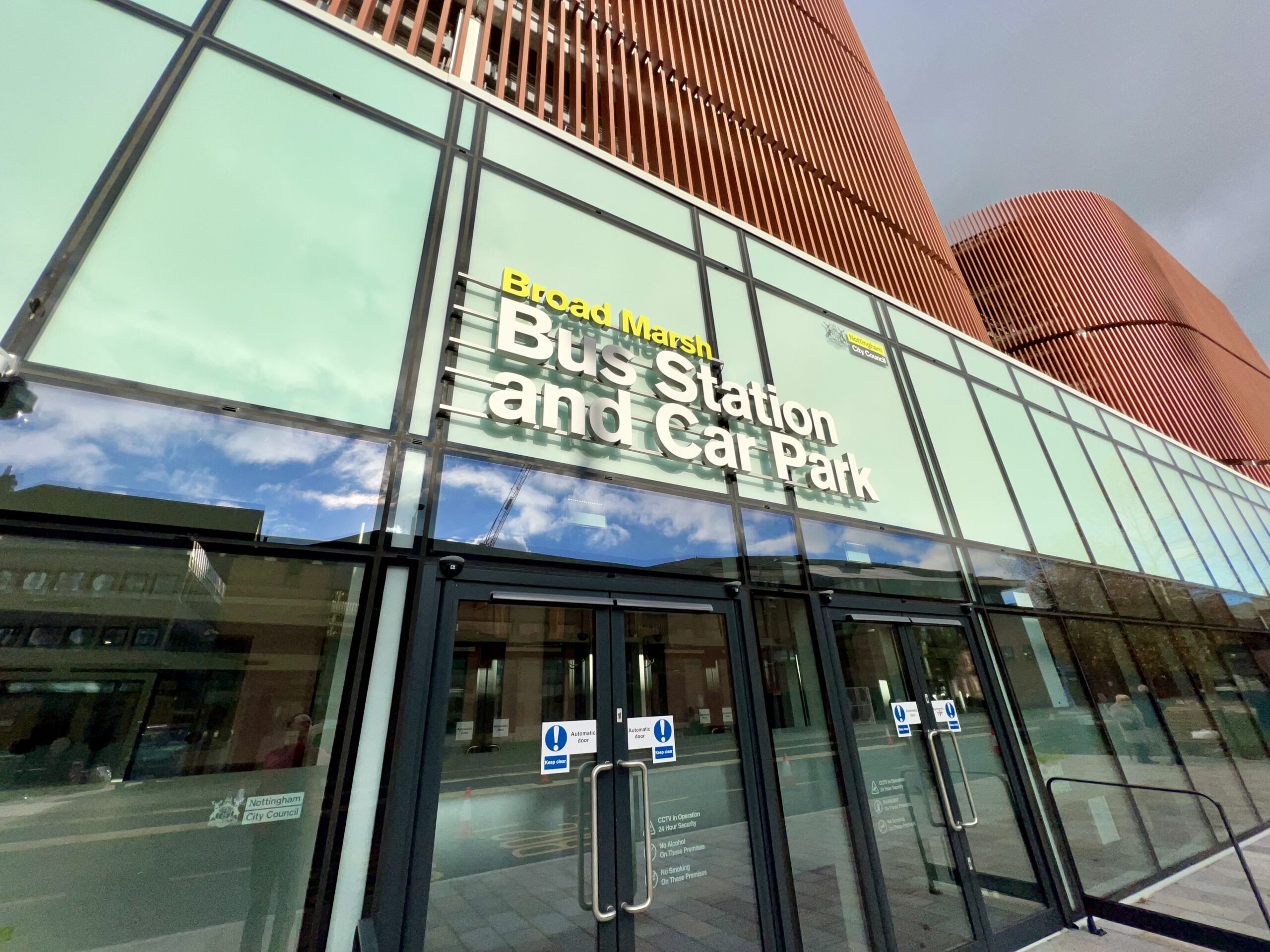
The report says stronger parking demand during the summer, including at Broad Marsh Car Park, has contributed to an improvement of £900,000 since the first quarter.
Housing services are forecasting a £2.1 million underspend, partly because changes to temporary accommodation arrangements have reduced reliance on hotels and other more expensive accommodation.
The council warns that these costs remain dependent on demand and could change during the remainder of the financial year.

There are also pressures within everyday council services.
Transport for pupils with special educational needs is forecasting a £1.6 million overspend because demand has been higher than anticipated. A review of the service is underway.
Bereavement Services is forecasting a £400,000 overspend, attributed to lower death rates and increased competition from private providers.
Meanwhile, Nottingham’s Royal Concert Hall and Theatre Royal are forecast to contribute to a £1.6 million favourable budget variance, with stronger ticket sales and associated visitor income expected from an extended programme of shows.

© westbridgfordwire.com
The council’s Housing Revenue Account, which is used to manage council housing finances, is forecasting a £900,000 underspend against its budgeted position.
Higher interest income and staffing savings have helped the account, although repairs and maintenance spending is expected to exceed budget by £3.6 million. Rental income is also forecast to be £1.4 million lower than anticipated.
The report identifies substantial changes to the council’s capital spending programme, which covers investment in buildings, transport, housing and other infrastructure.
Although the revised programme for 2026/27 totals £301.6 million, actual expenditure is now forecast at £217.8 million.
This leaves £83.8 million of planned expenditure either moving into future financial years or being adjusted following reviews of project requirements.
The largest changes include £15 million associated with transport projects funded through the East Midlands Combined County Authority, which have been reforecast across several financial years.
A further £11.9 million difference within Communities, Environment and Resident Services largely reflects changes to the timing of highways and vehicle replacement projects.
The Safer Roads programme accounts for £2.2 million of this, with works now expected to begin during 2027/28 while the project remains in its design phase.
Education capital projects are also affected, including £2.8 million of academy expansion schemes delayed by leasing issues and changes in project requirements. These are now due for completion in 2027.
The council’s reserves position is forecast to remain above its recommended minimum level.
Unallocated General Fund financial reserves are expected to total £47.9 million at the end of March 2027, equivalent to approximately 11.4 per cent of the council’s net expenditure budget.
The council’s chief finance officer recommends maintaining reserves equivalent to at least 10 per cent of net expenditure.
Total usable reserves are forecast to fall from £339.8 million at the beginning of the year to £309.3 million, reflecting planned use of reserves and revised financial forecasts.
This includes a planned £13 million allocation from the council’s Local Government Reorganisation Transition Costs Reserve.
The report says the council’s financial position has improved, but rising demand for statutory services, the delivery of outstanding savings and uncertainty surrounding special educational needs funding remain important risks.
Members of the Executive Board are being asked to note the latest budget forecasts, savings position, reserves and capital programme, and to approve budget transfers made during the second quarter. These transfers do not change the council’s overall net budget.
The figures remain forecasts rather than final expenditure, with the financial year ending on 31 March 2027.
