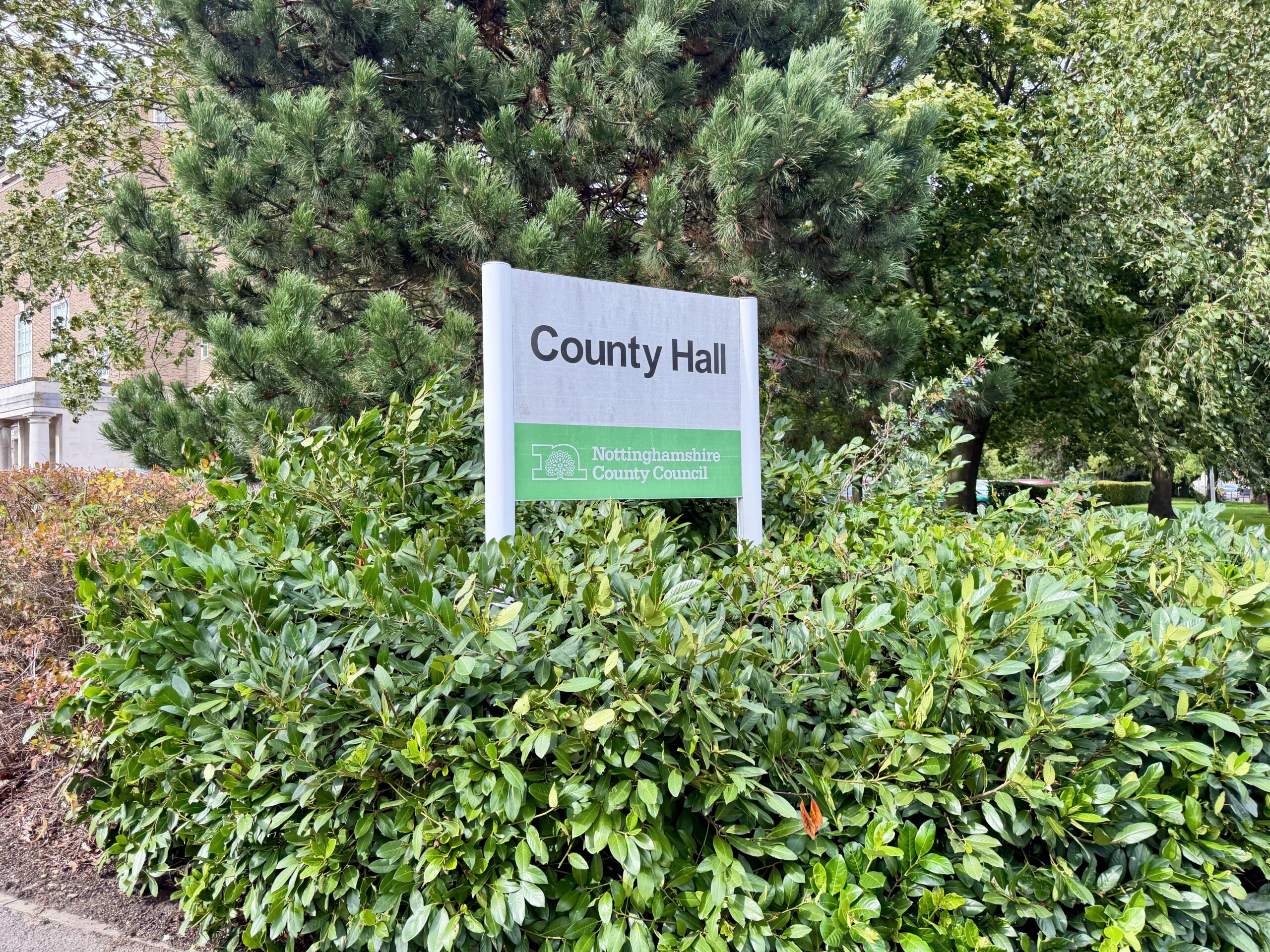
Nottinghamshire County Council has set out plans to reduce waits for adult social care and improve support for unpaid carers, after feedback showed some people were struggling to get help when they needed it.
The Adult Social Care Plan for 2026–28 identifies quicker assessments, clearer information, more coordinated services and better support through major life changes as priorities for the next two years.


Councillor Barry Answer, Nottinghamshire County Council’s Cabinet Member for Adult Social Care said:
“Adult Social Care matters because people matter. It is about supporting people to live the life they want to lead with dignity, independence, purpose and connection. This Adult Social Care Plan sets out our commitment to the people of Nottinghamshire: to be open about how we are performing, honest about where we need to improve, and ambitious about the future of adult social care.
“We have a lot to be proud of: dedicated staff, strong partnerships, strong communities and examples of care and support making a positive difference to people’s lives. But we also know there is more to do. People rightly expect support that is timely, personal to them and responsive, and this Plan shows how we are working to meet that expectation.
“Our ambition is to support a stronger, fairer Nottinghamshire where people can thrive within their communities, where support builds on strengths, and where we continue improving and provide the support and services that people expect.”
It acknowledges that some residents have waited too long to discuss their needs, been passed between teams or had to repeat their circumstances to different services. Carers also reported feeling overwhelmed and not always receiving help early enough.

The plan reports that 34 per cent of carers said the support they received did not help, leaving them continuing to feel overwhelmed or unsure where to turn.
Between April 2025 and March 2026, the council recorded 40,175 new requests for adult social care support. These included 1,909 requests from carers.
The document follows the council’s first adult social care plan, known as the Local Account, published in 2024, and a progress update in 2025. Its priorities draw on feedback gathered through the Big Conversation in September 2025, alongside the experiences of people receiving care, unpaid carers and staff.
It also incorporates findings from the Care Quality Commission’s assessment of Nottinghamshire County Council’s adult social care services, which received an overall rating of Good.
According to the plan’s summary of the assessment, inspectors recognised strengths in prevention, safeguarding and involving people in decisions about their care. However, they also identified a need for more consistent and timely assessments, better support for unpaid carers, improved access to independent advocacy and stronger coordination between services.
Guy Van Dichele, the council’s executive director of adult social care and health, acknowledges the variation in people’s experiences in his introduction to the plan.
“People tell us there are times when we support them brilliantly — when practice is relational, creative and empowering,” he writes.
“They also tell us there are times when their experience falls short of what they should expect. We have to listen equally to both.”
Reducing waits for assessments and reviews remains a priority. The council says people should receive clearer information about what happens next, continued contact and access to advice and practical support while they wait.
A Waiting Well Pack was introduced in 2025 to help people prepare for assessments and find support in the meantime. The plan does not set a numerical target or deadline for reducing assessment waits.
For unpaid carers, the council intends to make sure assessments are offered consistently and lead to practical support. It also wants more carers to have individual back-up plans setting out what should happen if they become ill or can no longer provide care.
A contingency planning template is already available through the Carers Hub, although the document acknowledges that further work is needed to identify carers and help them complete it.
Short breaks and respite care are also being reviewed with carers and families. The council says the existing offer is not yet as clear or flexible as it needs to be.
This follows a change in 2025/26, when responsibility for part of the carers’ short breaks budget and its administration moved from health services to adult social care. A booking system has since been introduced for some council-run services.
The council has also introduced neighbourhood teams, bringing social workers and occupational therapists into closer working arrangements with health services, district councils and community organisations. The aim is to make support easier to access locally and reduce the need for people to move between different services.
People who need help understanding their options or expressing their wishes should also receive independent advocacy sooner. The plan reports that, as of May 2026, nobody was waiting for an independent advocate.
Support to remain at home is another priority. Since 2023, 58 supported living units have opened, with a further 142 agreed and due to come forward from summer 2026.
The council’s Maximising Independence Service supported 3,645 people with reablement between April 2025 and March 2026, a 28 per cent increase on the previous year. Reablement provides short-term help to rebuild skills and confidence following illness, a hospital stay or a change in someone’s needs.
The plan also acknowledges concerns about isolation. It reports that 44.4 per cent of people using services said they had as much social contact as they wanted. Limited transport, rural isolation and difficulty accessing digital services were among the barriers people described.
The council says it is changing day opportunities to place greater emphasis on community hubs, local networks and activities shaped around individual interests.
For residents seeking advice, adult social care drop-in sessions have been extended in Bassetlaw and another introduced in Gedling. The council is reviewing how well these work, following requests for more opportunities to speak to someone face to face.
Further work is planned to make information about care charges, financial assessments and direct payments easier to understand. The direct payment system, which allows people to arrange their own care and support, is undergoing a full review involving people who use it and family carers.
The plan says measures will be agreed for each priority to show the starting position, intended improvements and progress over time. Updates will be reviewed through council management and governance arrangements and shared publicly.
People with experience of receiving care and unpaid carers will help scrutinise progress through the Our Voice Making It Real Forum.
The document does not specify a new overall funding allocation or a meeting date for approval.
Residents can contact the county council’s adult social care service on 0300 500 8080. The out-of-hours emergency number is 0300 456 4546.
