Nottingham University Hospitals (NUH) has become one of a handful of hospitals across the UK to implement a rapid genetic test which could dramatically improve outcomes for thousands of stroke patients in the future.
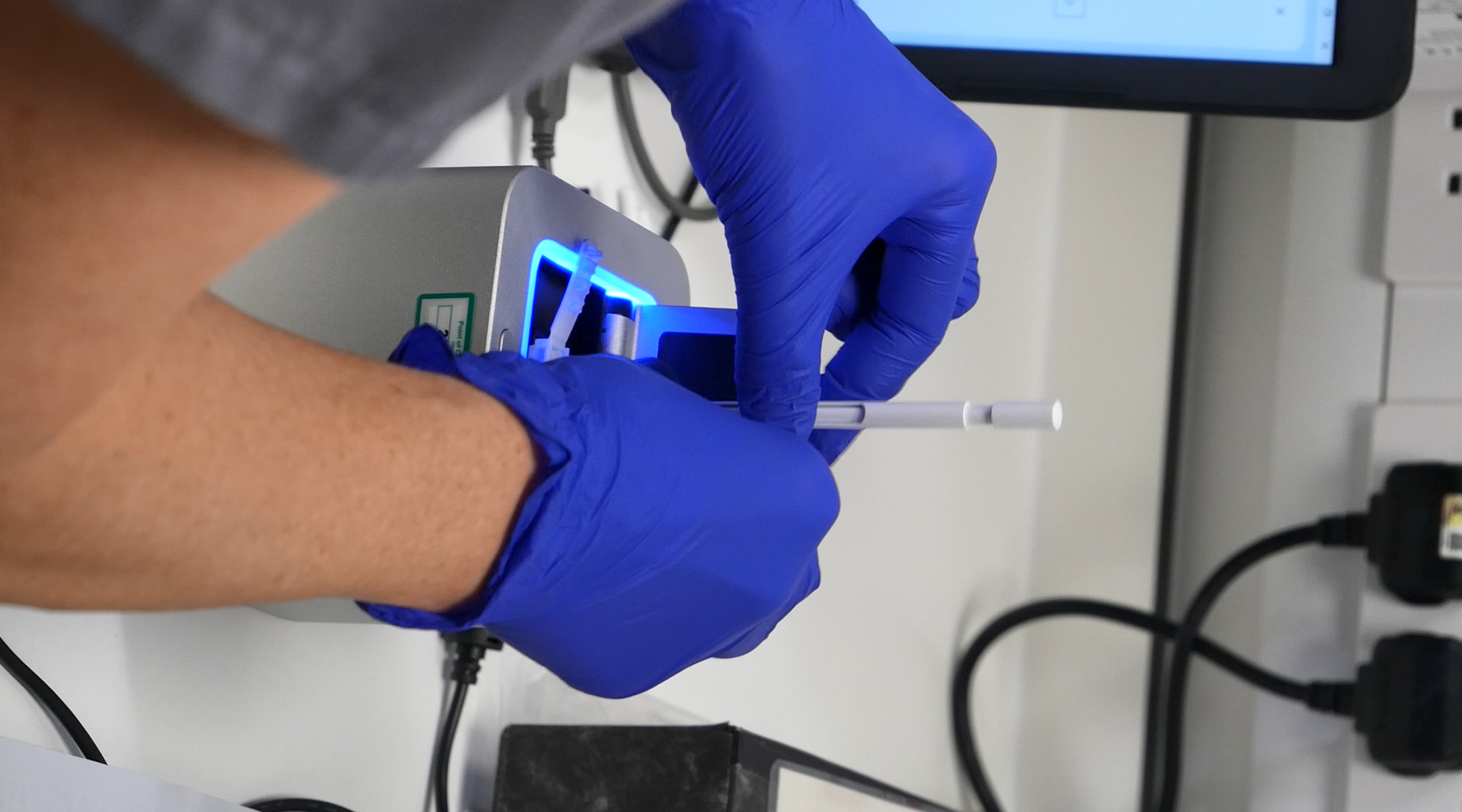
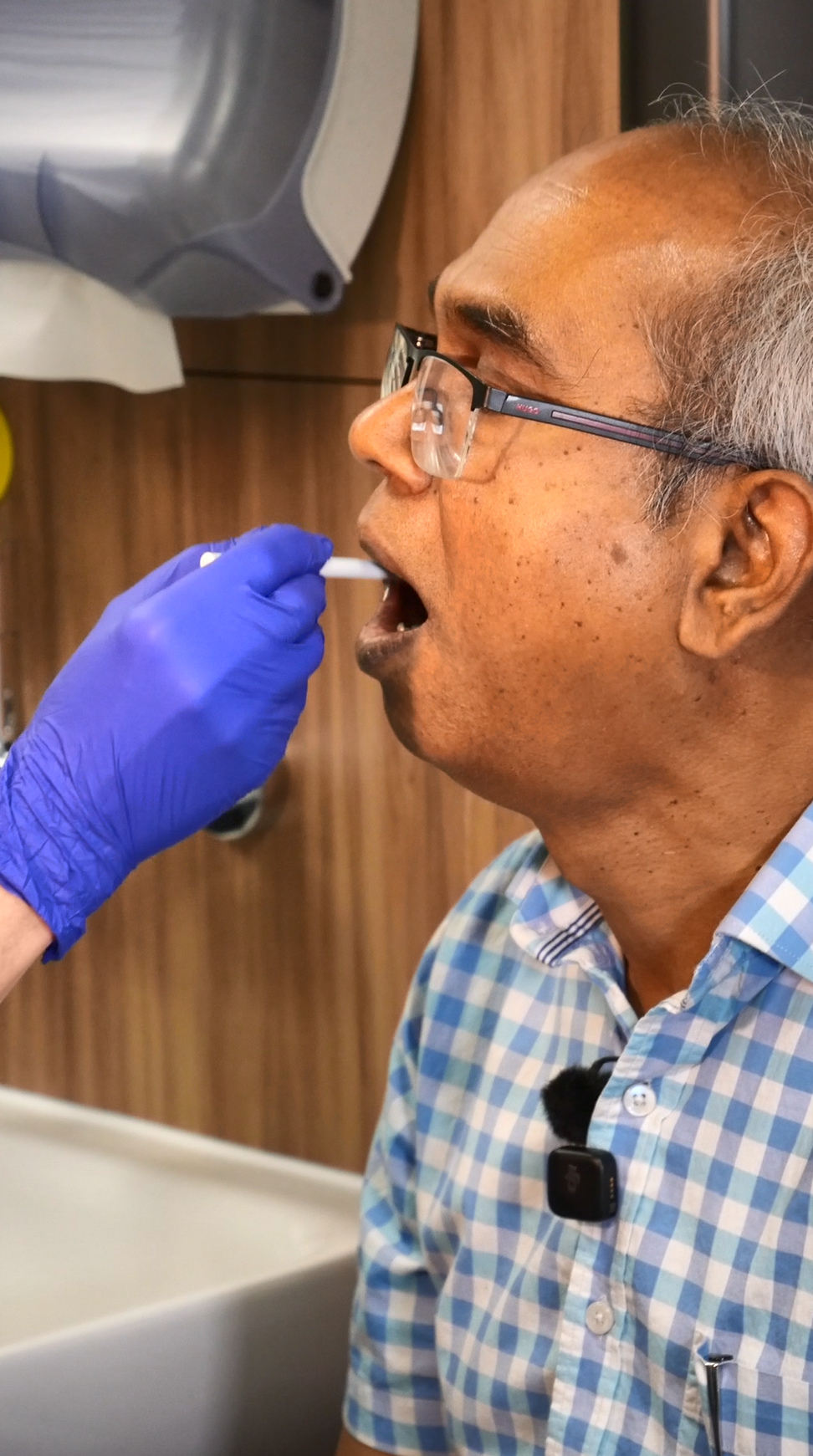
The simple cheek-swab test can identify within just one hour whether the patient will benefit from being given the most common drug used to treat strokes – Clopidogrel – or whether the patient requires personalised treatment with different medication in order for it to be effective.


The test identifies whether the patient has the CYP2C19 gene variation seen in at least one in three people, which means that their bodies do not respond to around 40 drugs, including Clopidogrel. People carrying changes in the CYP2C19 gene are also twice as likely to have further strokes when treated with Clopidogrel.
However, this information will be vitally important for the patient’s overall healthcare, as some of the other ineffective medications for them include heart medication such as Warfarin, some antidepressants, drugs used to treat anxiety and indigestion, and some statins.
The National Institute for Health and Care Excellence (NICE) is planning to use NUH as an exemplar in their guidance for genetic testing for stroke patients.
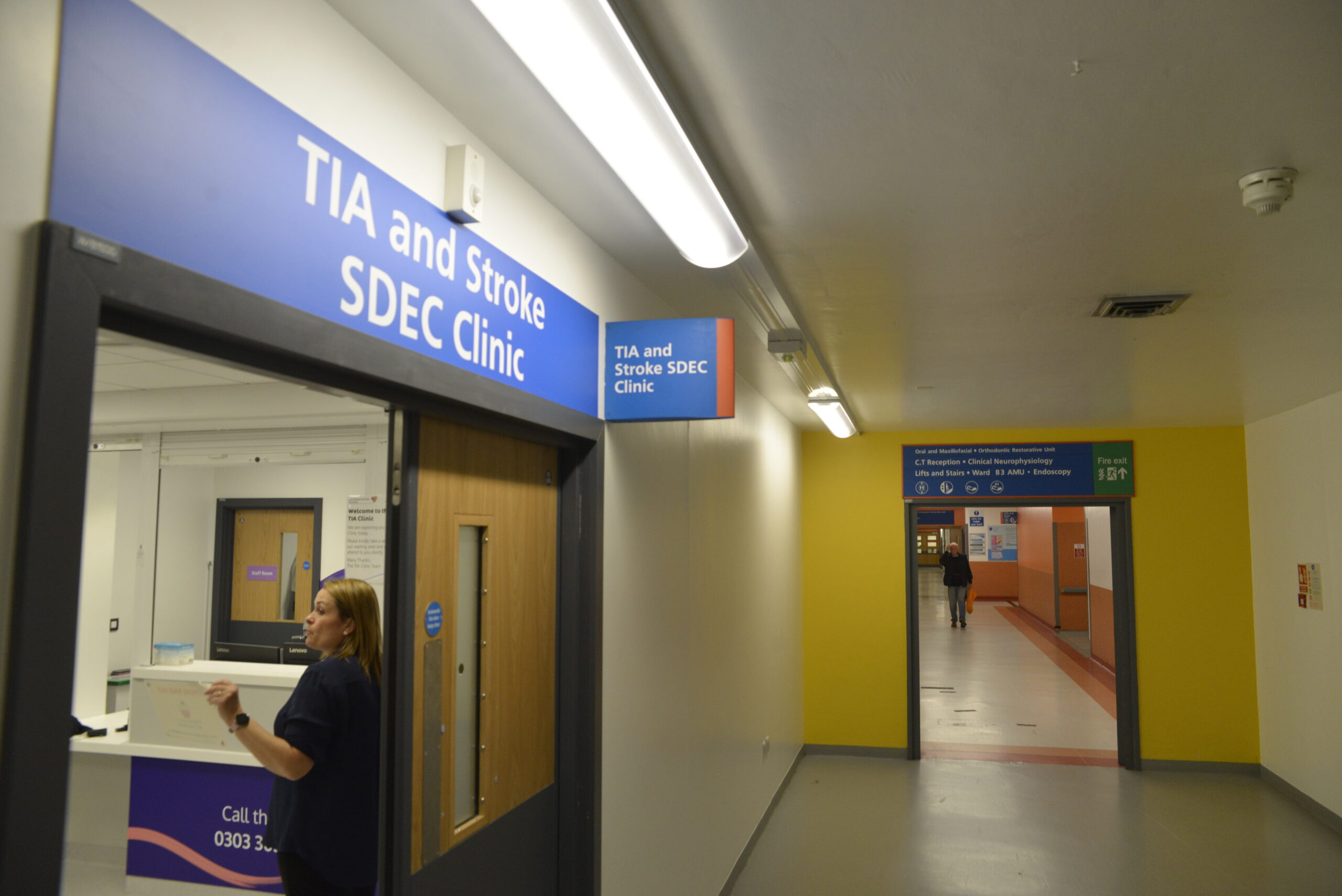
The initial stroke test pilot is taking place in a brand-new dedicated and permanent clinic space created at the Queen’s Medical Centre specifically for patients requiring assessment and treatment following a suspected minor stroke.
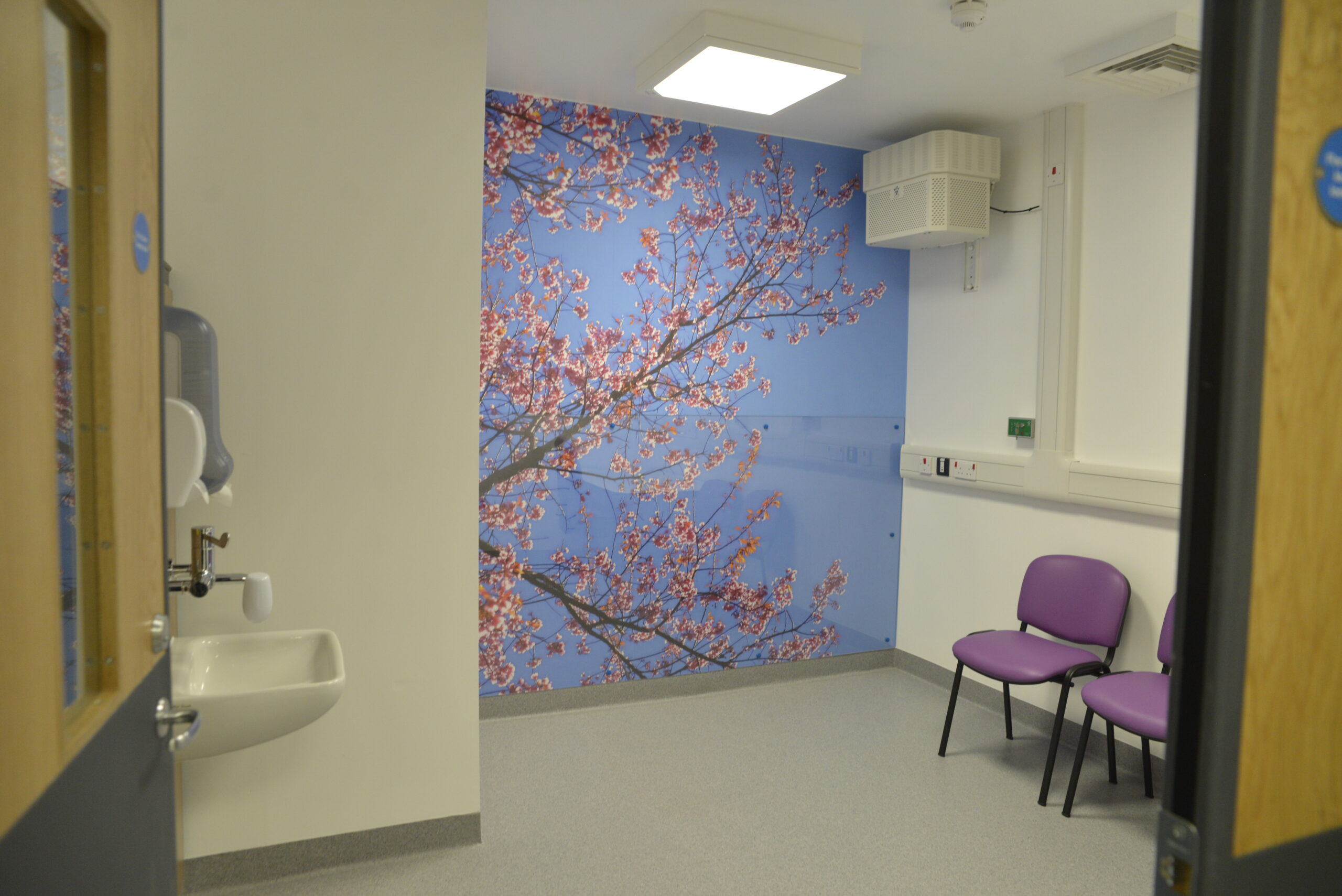
Specialist features of the new unit include dimmer switches for the lights, as some TIA patients struggle with light sensitivity, and wall murals in the reception area signposting patients and their loved ones to the Stroke Association. The work has been delivered by the NUH Estates Capital Development Team.
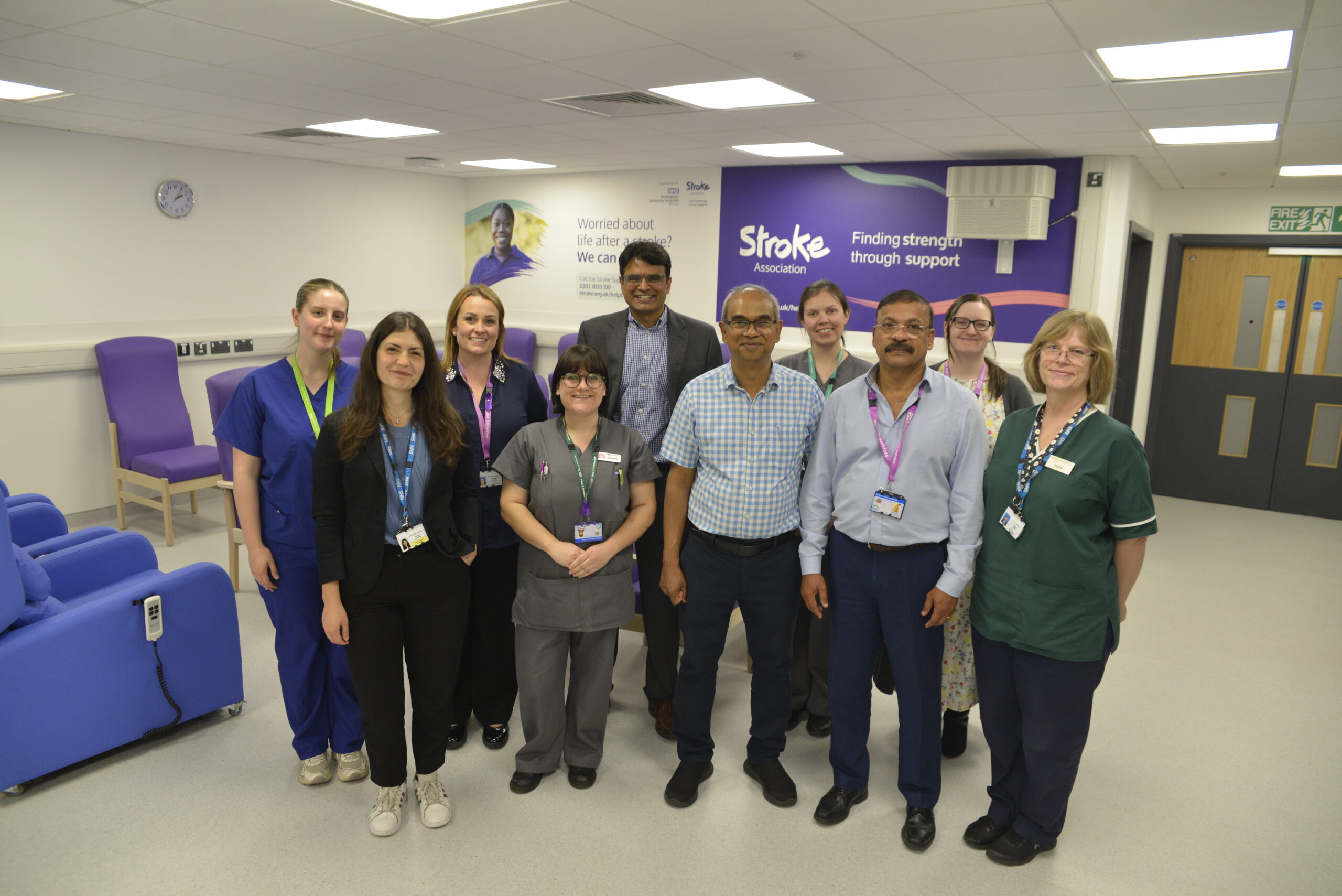
Patients who are believed to have experienced a minor stroke or a transient ischaemic attack (TIA or ‘mini-stroke’) will continue to receive rapid assessments from the TIA team, but in this purpose-built clinic, open seven days a week.
A TIA is a temporary blockage of blood flow to the brain causing stroke-like symptoms and can be a warning sign ahead of more significant strokes.
Dr Kailash Krishnan, Consultant and Head of Stroke Medicine at NUH, is leading the pilot for testing the CYP2C19 gene variation, which is then expected to be rolled out permanently for stroke patients attending NUH.
He explained that whilst some other hospitals have used blood genetic testing to identify this genetic variation, it can take three to seven days to receive the results, rather than the one hour this cheek-swab test offers.
Dr Krishnan said: “The risk for patients waiting for blood test results is that if they have had one stroke or TIA, they are at a much higher risk of having another, more significant stroke or a heart attack, which could lead to severe disability or death.
“If they have this genetic variation, the most common treatment for their initial stroke will not be working at all.
“This rapid test can be done in the hospital while we are carrying out other brain and neck scans, and allows us to make the changes to the patient’s treatment all on the same day. We can therefore be confident that this test will save lives.
“The results could also have huge ramifications for other treatment the patient is receiving, as medications which may not be working for them because of their genetic variation can also be adjusted.”
The results of the genetic test will be added to the patient’s notes on the Nervecentre system to ensure other clinicians are also aware when considering medication as part of their treatment. A detailed letter including these results and adjustments to treatment will also be forwarded to the patient’s GP.
Around 200 patients a month are supported by the TIA clinic, including appropriate Same Day Emergency Care patients, to help them avoid needing to be admitted to a stroke ward.
Patient Rasheed Ashrafali, from Nottingham and who also happens to be a consultant at Queen’s Medical Centre, first experienced a mini-stroke in 2024. He immediately recognised what was happening and attended A&E.
He said: “I was getting ready for work and was standing in front of the mirror, but I couldn’t see my face in the mirror.
“So I went to speak to my wife, and I couldn’t see her face at all. I could see the roof, I could see the floor and the sides, but couldn’t see her face.
“I had been fine a few minutes before, and I had lost vision in one eye and it had happened suddenly, so I thought it might be a stroke.”
Dr Ashrafali was seen by the stroke team and had multiple scans, and was prescribed Clopidogrel to prevent him from having more strokes. However, in 2025 he suffered another mini-stroke and the stroke team then suspected that he was not responding to the medication.
At the time, an early trial of the swab test was underway, so he was one of the first people to have it at NUH. The results confirmed that Dr Ashrafali had the genetic variation, meaning the Clopidogrel would not work for him.
He said: “They changed my medication straight away so it is personalised to me, and I know it will definitely work.
“It means the chances of me having another stroke or mini-stroke are minimised, which is comforting and gives me confidence to look forward to the future.
“This will make a massive difference to patients.”
Amanda Davies, Service General Manager for Stroke at Nottingham University Hospitals NHS Trust, said:
“This is a hugely exciting time for Stroke Services here at NUH thanks to this new clinic space and innovations in treatment which could transform the lives of our patients.
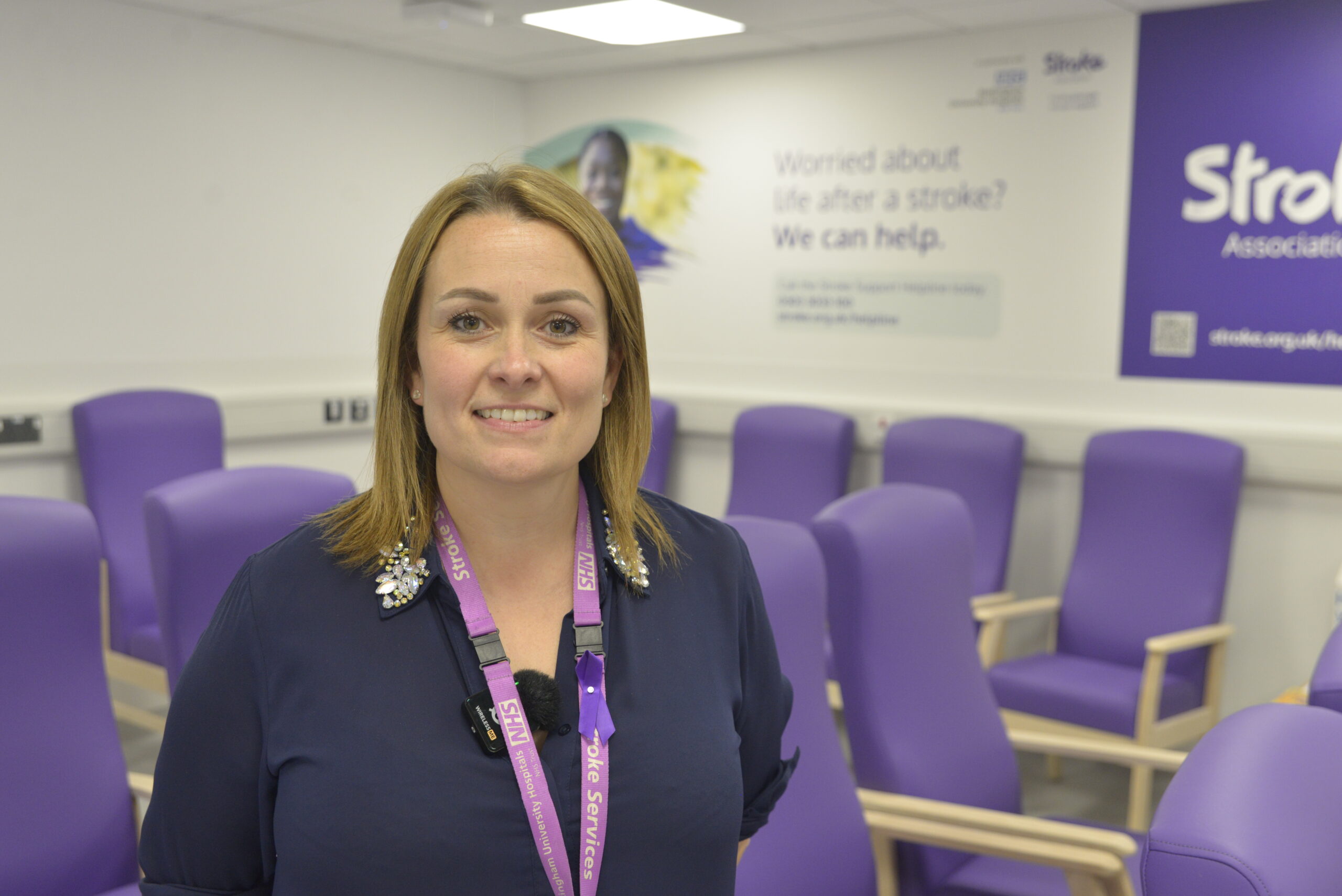
“Our TIA clinic hasn’t had a permanent home in recent years, so moving into a purpose-built space designed specifically for patients will make a big difference both to their experience, as well as providing a lovely working environment for our staff.
“I’d like to say a huge thank you to colleagues from across the Trust for making this happen, and for ensuring this space is as good as it possibly can be for everyone who needs to visit.”
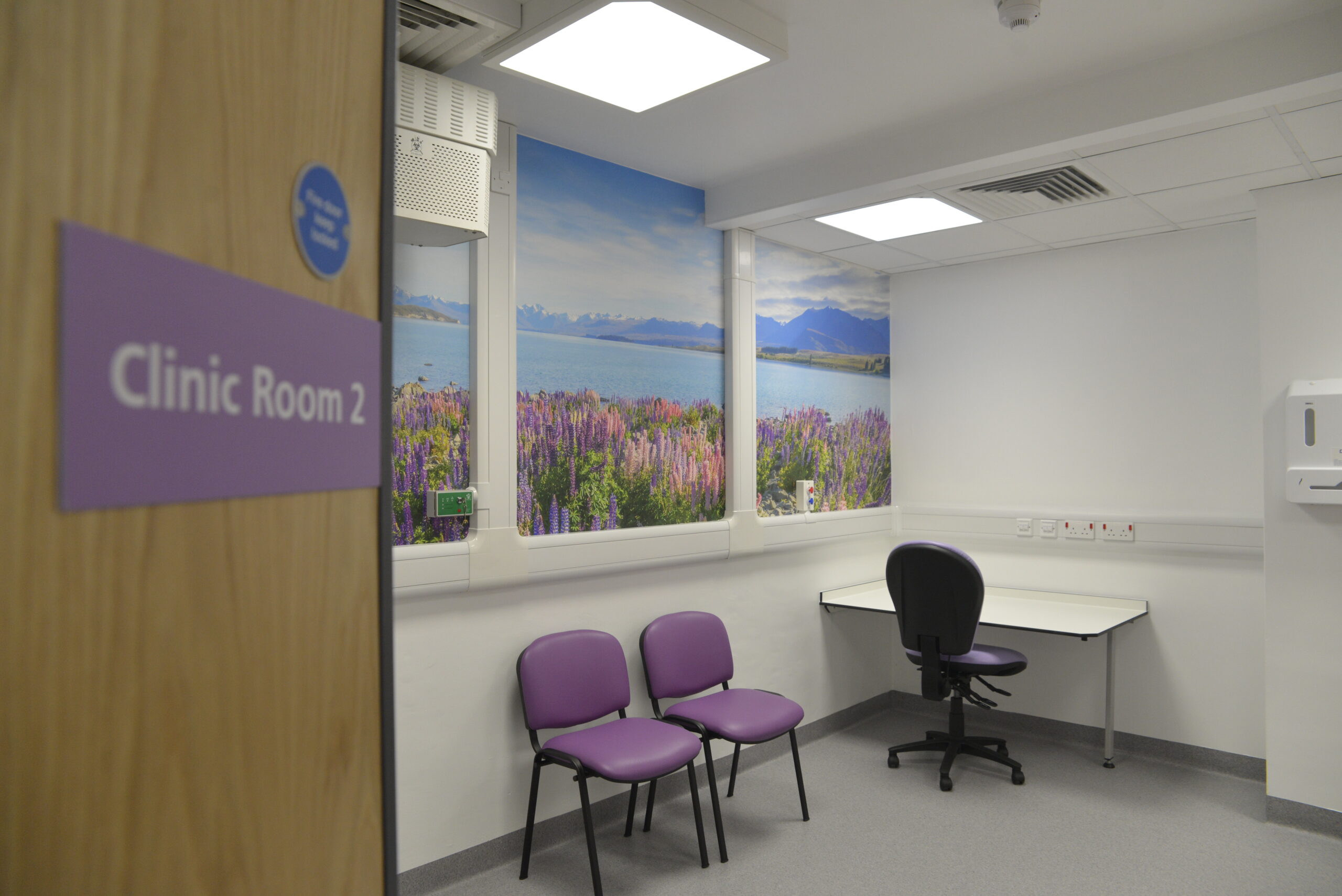
The new permanent clinic space is located on B Floor, close to the QMC Main Entrance, and has been designed with TIA patients in mind. The space is made up of a reception desk and waiting area with a mural from the Stroke Association, three clinic rooms, and a small staff area.
The new staff kitchen has been fully equipped thanks to funding from Nottingham Hospitals Charity, to enable staff to take breaks from the busy clinic in a welcoming environment.
Sarah Adderley, Associate Director for the Midlands at the Stroke Association, said: “It is fantastic to see that Nottingham University Hospitals Trust has been chosen as one of the first hospitals in England to roll out the rapid genetic test. We want to thank everyone involved, and we hope that it will lead to better outcomes for stroke survivors throughout the area.
“We are also delighted to see the introduction of the new dedicated clinic. Life after stroke can be daunting and we want to make sure that stroke survivors and their loved ones know about all the support that is out there when they’re in hospital and planning their return home.
“The Stroke Association provides lifelong support for all stroke survivors and their loved ones. We’re here to help stroke survivors find strength through our support. It’s been great to work with the staff at the hospital to ensure everyone who needs our support knows where they can get it.”
Patients are referred to the TIA clinic through their GP, the ambulance service, inpatient areas, or directly from the A&E department, and the service aims to see patients within 24 hours of the onset of symptoms in order to reduce the risk of a stroke and prevent them from needing to be admitted to hospital.
The TIA team then arrange any investigations that need to be carried out, such as blood tests and MRI scans.
Funding for this refurbishment has come from NHS England as part of enabling works funding to support future redevelopment of the A&E spaces.
Additional information
Each year, around 100,000 people in the UK will have a stroke – a serious life-threatening condition that happens when the blood supply to part of the brain is cut off by a blood clot.
Clopidogrel prevents platelets (a type of blood cell) from sticking together and forming a dangerous blood clot. However, around 29 per cent of people in the UK (and up to 60 per cent in different ethnic groups) have a change in the CYP2C19 gene which reduces Clopidogrel’s effectiveness.
