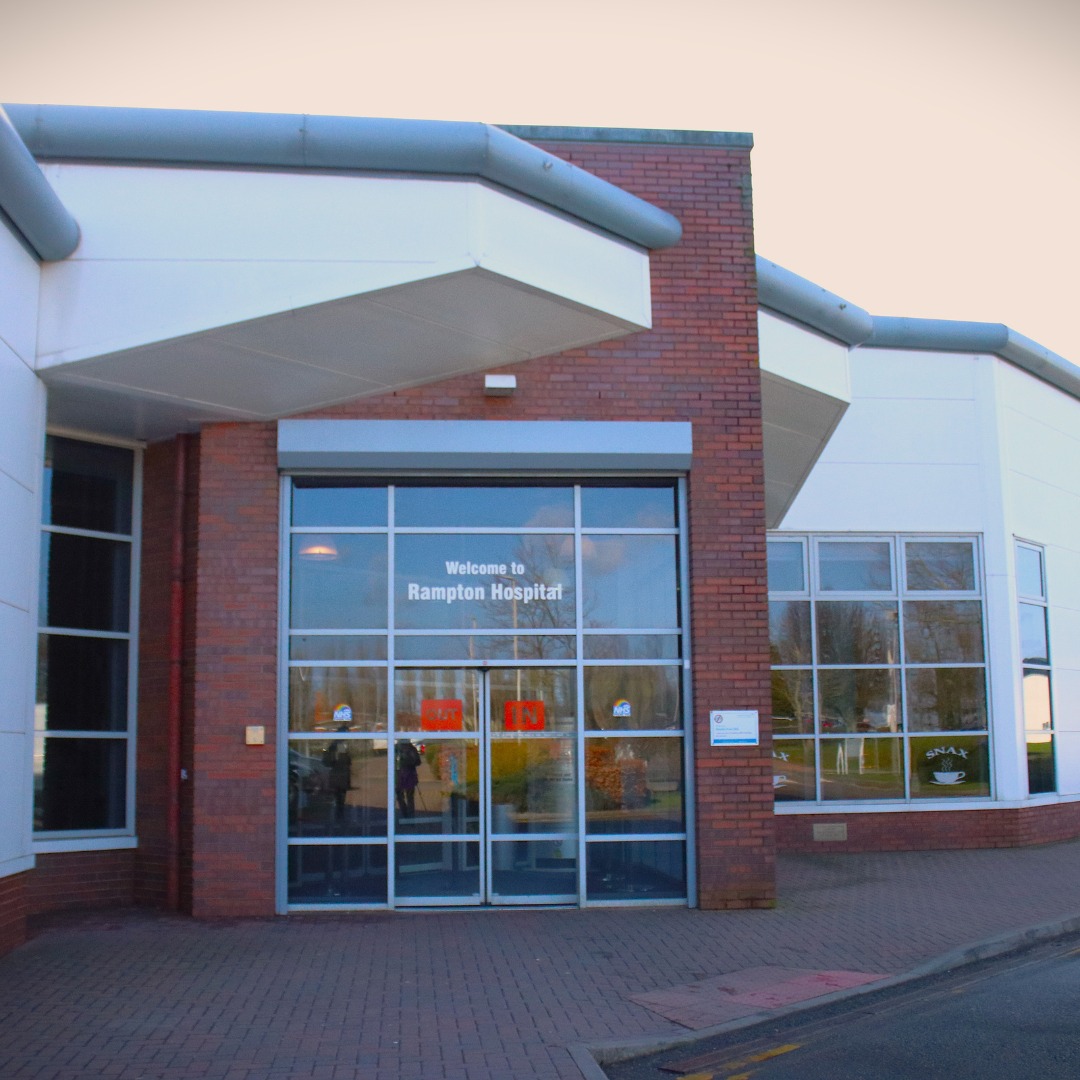
The Care Quality Commission (CQC) has rated Rampton high secure hospital in Nottinghamshire as requires improvement for a second time following an inspection in April.
The hospital, run by Nottinghamshire Healthcare NHS Foundation Trust, provides care for people detained under the Mental Health Act.


The inspection was carried out after whistleblowers and patients raised concerns about safety and staff wellbeing linked to staffing shortages. The CQC had also become aware of occasions when patients were confined during the day because of insufficient staff.
Inspectors identified seven breaches of regulations covering staffing, safe care and treatment, dignity and respect, person-centred care, premises and overall management.
The CQC asked the trust to produce an action plan addressing the concerns. The trust has since developed a plan with measurable actions agreed with the regulator.
The hospital’s rating for responsiveness has been downgraded from good to requires improvement. Its rating for effectiveness remains good, while safety, caring and leadership remain rated requires improvement.
Victoria Green, CQC’s deputy director of mental health in Nottinghamshire, said:
“When we visited Rampton Hospital, we found staff shortages were affecting almost every part of people’s care, despite this being a long-standing concern. Leaders hadn’t got on top of it and it was disappointing the hospital hadn’t always learned from issues we’d raised before.
“We found leaders sometimes needed to move staff between wards at short notice, meaning some people were cared for by staff who didn’t know their needs well, and people told us this made them feel more anxious. We also found people missed planned activities and therapy sessions because staff who should have been running them were covering ward shifts instead, and some people said this had knocked their progress.
“We had concerns about the way the service restricted people’s choices, recorded these restrictions, and shared rules in this area with people. The hospital also wasn’t consistently meeting the needs of autistic people and people with a learning disability, including not adapting ward environments to their sensory needs.
“However, we saw staff who cared deeply about the people they support and some genuinely person-centred work, particularly in the women’s service. Leaders were open with us about the challenges they faced and had already made some improvements since our last visit.
“We’ve told the trust where it needs to improve and will continue to monitor the hospital closely to make sure people get safer, more responsive care.”
Inspectors also found that the trust had not always learned from previous concerns, including independent reviews of care for autistic people and those with learning disabilities.
Medicines management procedures were not always followed consistently, increasing the risk of errors.
In one case, a patient waited more than 24 hours for treatment for a fractured wrist because secure transport could not be arranged quickly enough.
The report also identified improvements. Hospital leaders had introduced new approaches aimed at reducing the need for staff-intensive observation and supporting patients’ recovery, although these were still at an early stage.
Inspectors said staff demonstrated dedication and compassion towards patients, while work by the hospital’s reducing restrictive practice team had helped some patients spend less time in long-term segregation.
The CQC said it would continue to monitor Rampton closely to ensure improvements were made.
Inspectors found:
- The trust didn’t always learn from previous concerns, including from independent reviews of care for autistic people and people with a learning disability.
- Staff didn’t always follow medicines management processes consistently, increasing the risk of error.
- The hospital had one person wait more than 24 hours to get treatment for a fractured wrist because they couldn’t arrange secure transport quickly enough.
However:
- Leaders had introduced new approaches to reduce reliance on staff-intensive observation and support people’s recovery, though these were still in the early stages.
- Staff spoke with dedication and compassion about the people in their care, and the hospital’s reducing restrictive practice team had helped some people spend less time in long-term segregation.
