When Anne Sutton went to her allotment in East Leake on the afternoon of Wednesday 28 January 2026, it was meant to be an ordinary day helping clear a plot for a new tenant.
Instead, the 61-year-old collapsed without warning and went into cardiac arrest.


Anne, a retired police officer who had spent more than 30 years helping others in emergencies, suddenly became the person needing help herself.
She said: “I was with my husband at the allotment, and then I went light-headed and collapsed.”
“It’s hard to know when my next memory was, but I remember coming round in the back of the ambulance, hearing the sirens and seeing the blue lights.
“I felt calm and safe – like I was on my way to safety.

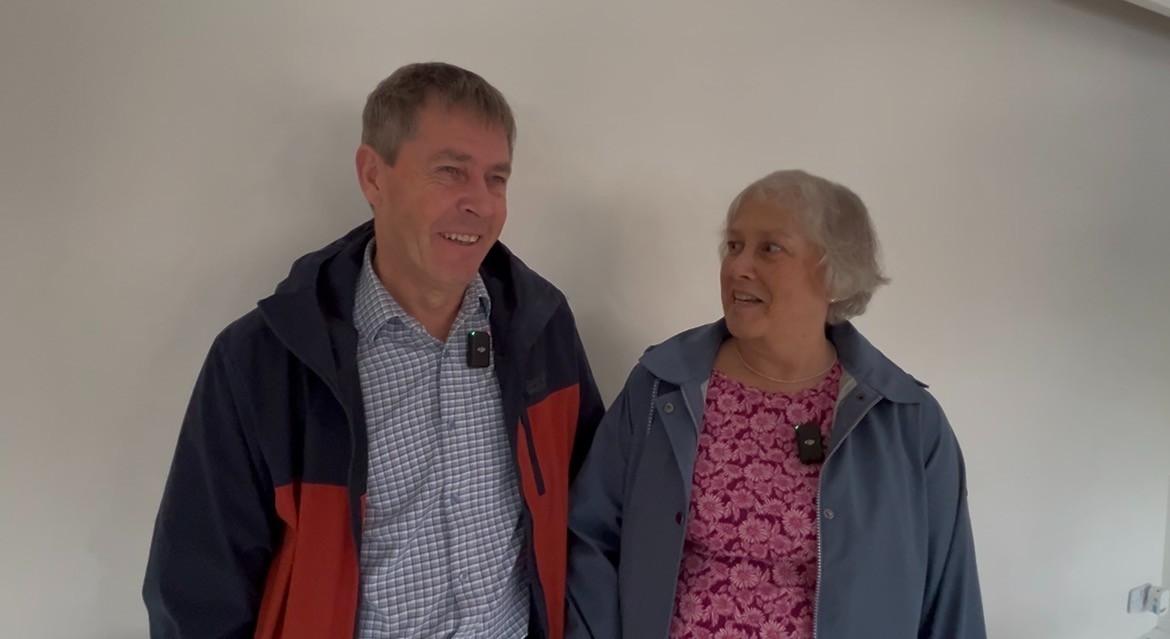
“Just saying thank you doesn’t seem enough. I survived because of what everyone did for me that day.”
As Anne collapsed, fellow allotment holder Stacey Wardle realised something was very wrong and called 999 while running to find help.
She said: “I called 999 while running to get the attention of others because I knew we needed all hands on deck.
“It was very scary, but the call taker was really calm and kind, and that helped keep me calm too.”
James and Adele Lapworth (Adele being a nurse), who were nearby on their own plot, hurried over after Stacey raised the alarm.
Realising Anne was in cardiac arrest, they immediately began cardiopulmonary resuscitation (CPR).
James said: “When we got there, she was blue and not breathing normally. We couldn’t find a pulse, so Adele started CPR straight away.
“All that was keeping her alive was the chest compressions. We swapped over to keep it effective.
“In the moment, you just get on with it – but afterwards it really hits you.”
For Anne’s husband, Peter Sutton, the experience was overwhelming.
He said: “There’s a lot of confusion in that moment. You’re trying to understand what’s happening to the person you love while everything is unfolding around you.
“Then suddenly there were police, paramedics and other responders arriving, all working together in very difficult conditions.”
While Anne’s friends fought to keep her alive, East Midlands Ambulance Service (EMAS) coordinated a response to the remote allotment site.
Emergency Medical Advisor Kim Reed, who answered the 999 call, said:
“Those who were with her did a fantastic job, from giving an accurate description of where they were to listening so well to the instructions I relayed over the phone.
“Bystander CPR really was vital in giving Anne the best possible chance before emergency help arrived.”
Based on the information provided, our control room dispatched a range of appropriate resources that Anne needed, including paramedics in solo response cars, a community first responder, an ambulance, and support from Lincs and Notts Air Ambulance.
East Leake sits near the border of Nottinghamshire and Leicestershire, meaning available colleagues from both counties were sent as quickly as possible to bring together the right mix of clinical skills required.
Specialist Practitioner James Layton responded as part of the EMAS team. He identified the seriousness of the incident while monitoring incoming emergency calls from our clinical hub in Leicester and recognised that Anne might require his enhanced skills.
He said: “I spoke to the control room and put myself forward to attend, knowing my experience in managing cardiac arrests could help.”
When James arrived, he said the high-quality bystander CPR already being delivered had given Anne the best possible chance.
He added: “The CPR was so good that it was effectively pumping her heart, and she even had a level of consciousness.
“We took over her care, supported her breathing and used a defibrillator to shock her heart into rhythm. We were able to get a strong pulse back – that’s when we knew she had a real chance.”
The team worked together at the scene to stabilise Anne before she was taken to hospital.
She has since had an implantable cardioverter defibrillator (ICD) fitted and is continuing her recovery.
Before her cardiac arrest, Anne says she was extremely active:
“I went for a run that morning, I went to the gym twice a week, I played netball, and I’ve done triathlons. Every single person has said they would never have expected this to happen to me.
“I’ve learned it’s not always about lifestyle. My life is different now, but I’m a very positive person and I’m focusing on the best way forward.”
For Peter, the impact of what happened has stayed with him.
He said: “For the first month, Anne wasn’t out of my sight very often. It was nerve-racking at first, but we’re both slowly regaining confidence.
“It was really special to thank everyone in person at the reunion.”
Anne is especially keen to recognise the people who carried out CPR before crews arrived.
She said: “They absolutely deserve recognition. They saved my life that day.”
For James Lapworth, hearing that Anne survived has meant everything.
He added: “She had the worst luck and the best luck on the same day – the best luck was that people were there who knew what to do.
“Our reward is that Anne is still alive.”
Anne’s incident has already led to changes within the local community, including a public access defibrillator being installed at the allotments and greater awareness of CPR training.
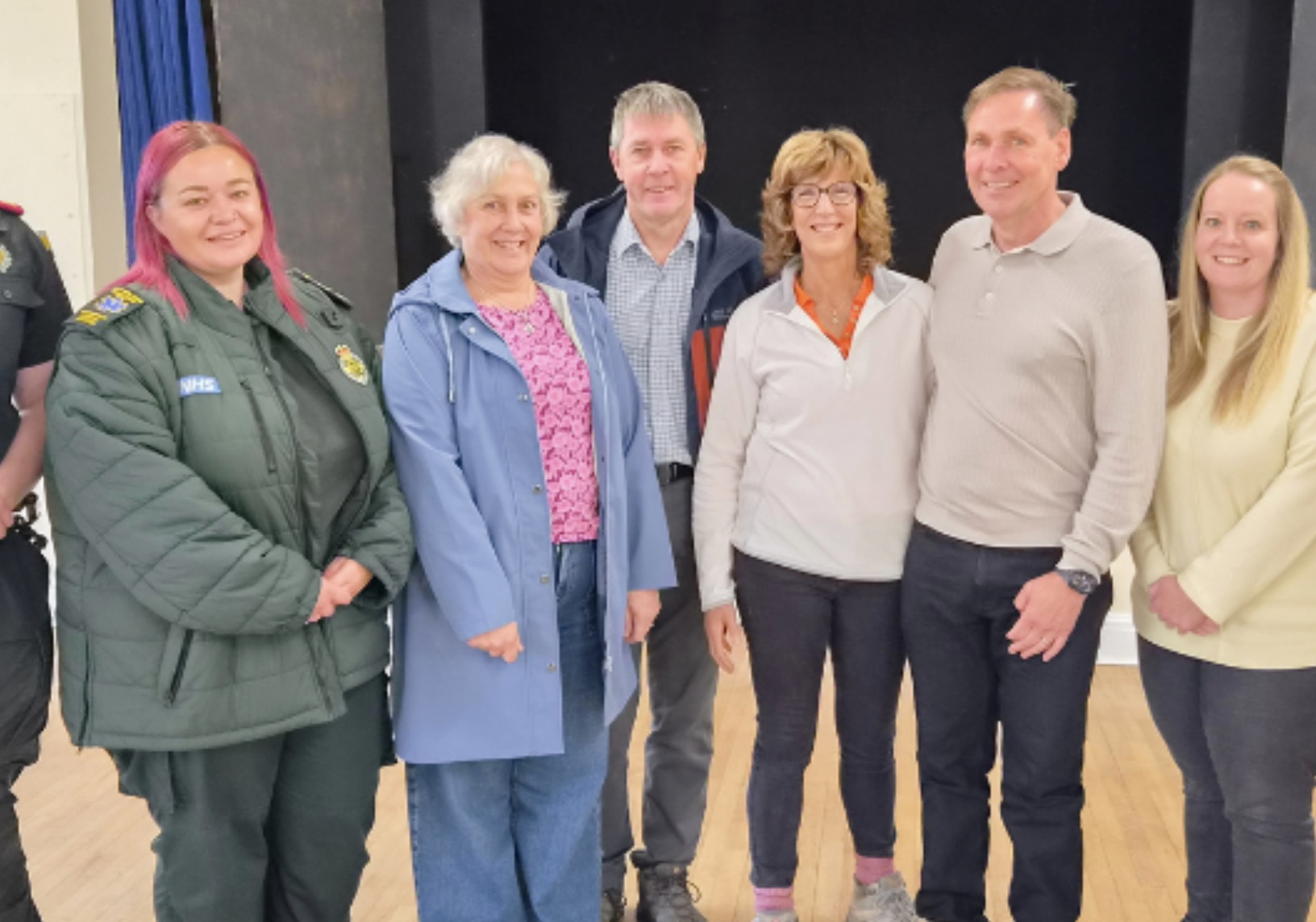
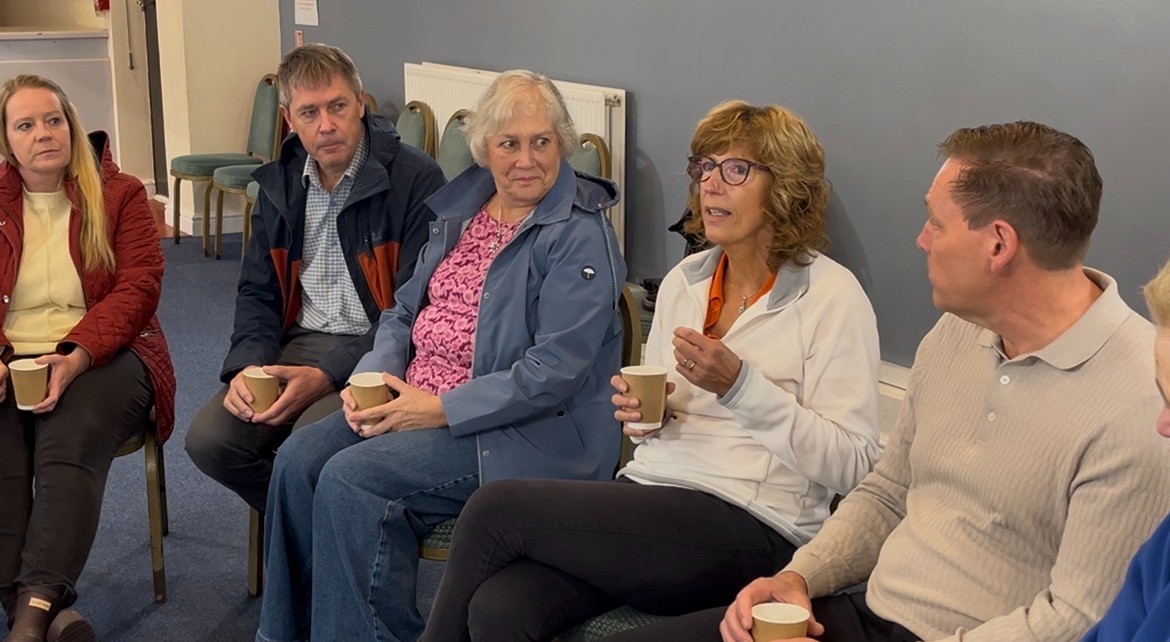
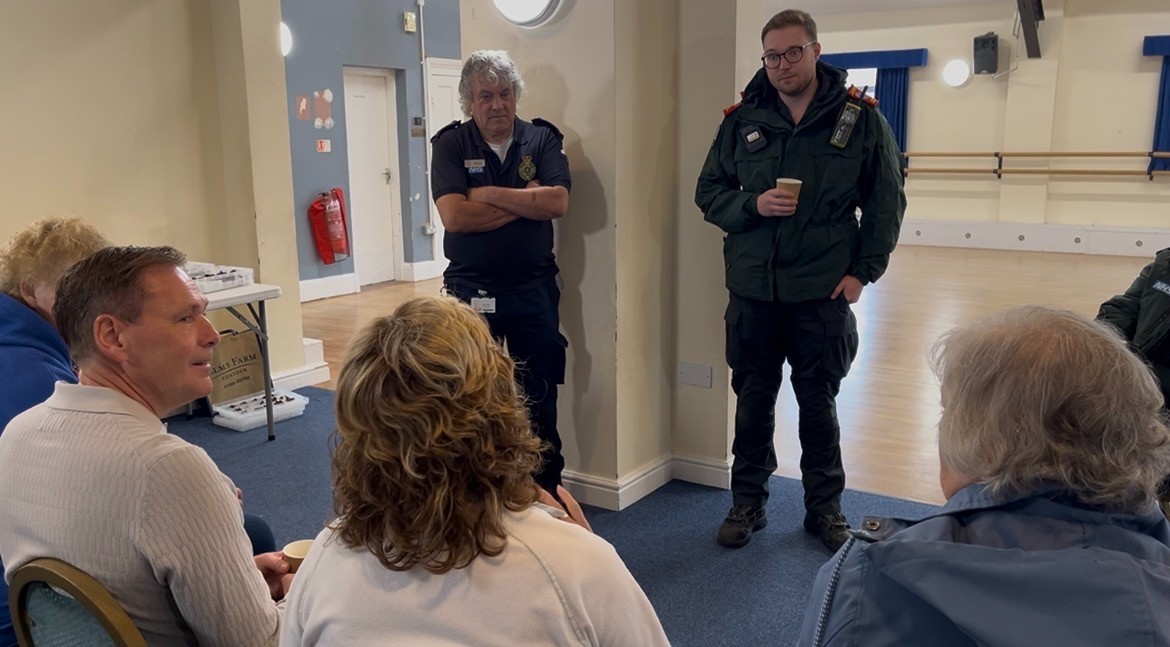
Anne, her husband Peter, and the life-saving bystanders were reunited with the ambulance colleagues who helped save her life at a special reunion on Thursday 11 June 2026.
