A feasibility study into reopening the Maid Marian Line to passengers is set to receive £500,000 as part of a wider £148 million public transport investment programme for the East Midlands.
Members of the East Midlands Combined County Authority’s transport and digital connectivity committee have backed the three-year programme, which covers a series of bus, rail, active travel and transport interchange projects across the region.


For Nottinghamshire, one of the most significant allocations is the proposed funding for a business case into bringing passenger services back to the Maid Marian Line.
The line is currently used for freight and links the Robin Hood Line at Kirkby-in-Ashfield with the Erewash Valley Line at Pye Bridge, running via Kirkby Woodhouse and Pinxton.
The £500,000 would not fund construction or the reopening of the line itself. Instead, it would pay for the next stage of development work needed to examine whether the scheme is viable, what passenger demand could look like, how services might operate, what infrastructure would be required and how much a full reopening could cost.
A business case would also be needed before any future funding bid could be made to Government or other transport funding sources.
Supporters of the scheme have previously argued that reopening the route to passengers could improve rail links across parts of Ashfield and Derbyshire, strengthen connections with the existing Robin Hood Line and provide better public transport access for communities currently reliant on road travel.

The Maid Marian Line funding forms part of a wider transport programme backed by the committee, with £148 million allocated to projects over the next three years.
Other major schemes include more than £25 million for upgrades to the A38 Hucknall to Sutton-in-Ashfield corridor, aimed at improving bus punctuality, efficiency and the street environment, and £10 million towards Sutton-in-Ashfield bus station.
Further funding has been earmarked for bus priority measures on key routes into Nottingham city centre, investment in electric buses and improvements to passenger facilities across the region.
The programme also includes £4 million for improvements at Derby Bus Station, five new transport interchange hubs in Derbyshire town centres, upgrades to bus shelters and the expansion of real-time passenger information.
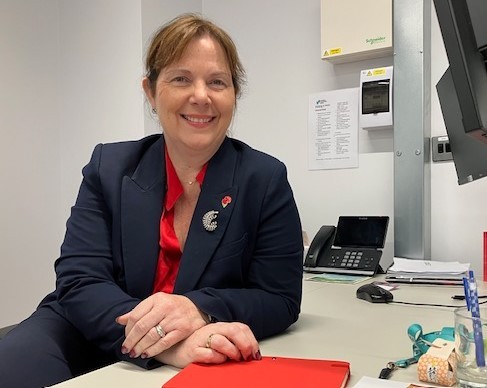
Mayor of the East Midlands Claire Ward said the £148 million programme was a “major step” towards a more reliable and modern transport network.
She said: “By improving key routes, upgrading stations and enhancing local hubs, we’re making everyday journeys quicker, safer and more accessible for the people of the East Midlands.
“We’re focused on better connections — more reliable bus services, improved passenger facilities, as well as tools that bring everything into one place, like the Ride app. Alongside this, investment in electric buses and active travel will help build a greener, more sustainable network.”
The investment programme supports the Bus Service Improvement Plan being developed by the combined authority and follows a wider £470 million transport package agreed by the EMCCA board in March.
That package included £121 million a year to be shared by Derby, Derbyshire, Nottingham and Nottinghamshire for highways maintenance, described by the authority as a 140 per cent uplift on 2024/25 maintenance investment.
The new programme also includes £1.2 million for further development of the Ride app, which brings together public transport information and ticketing options. The app has been downloaded around 14,000 times since its launch in December.
More than £40 million has also been backed for active travel improvements across the region.
The committee has also earmarked an emergency £2 million allocation to support Derby City Council with urgent work to remove the unsafe bridge at Darley Abbey Mills so a temporary replacement can reopen. That is in addition to £2.4 million for a permanent replacement bridge agreed in March.
A further £3.9 million has been set aside for “Growth Area Development”, including work on transport options linked to the East Midlands Investment Zone, Trent Arc mass transit connections, possible light rail extensions, M1 Junction 24 growth mitigation and major regeneration sites including Nottingham city centre and Broad Marsh.
A report to the committee said transport investment had an important role in supporting wider economic growth by helping people reach work, education, services and leisure opportunities.
It said the ability to move safely and efficiently was “critical” to delivering the region’s growth plan objectives.
