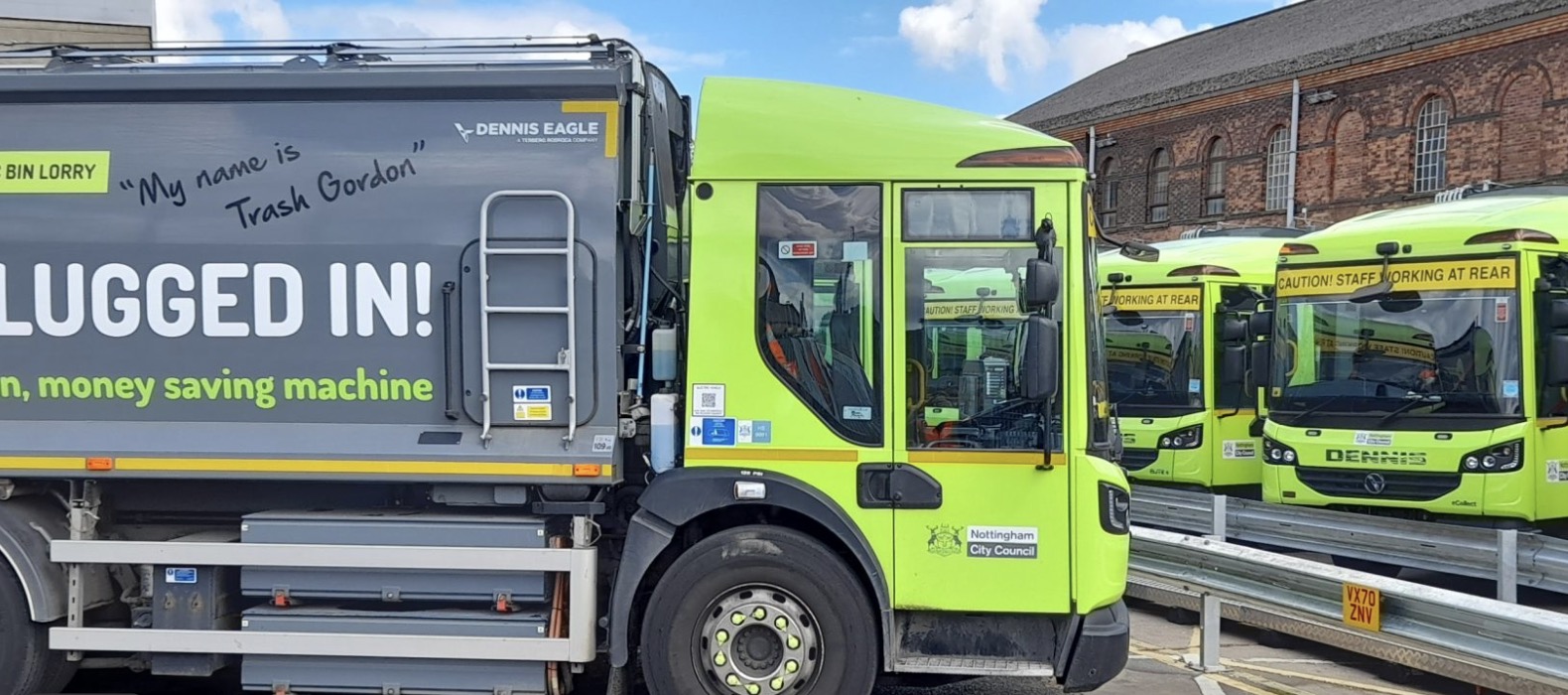
A Nottingham councillor says lessons have been learned after the purchase of electric bin lorries “may not have demonstrated good value for taxpayers”.
In December 2020, Nottingham City Council rolled out two new electric bin lorries in what it described as a “world-first” at the time.


The Labour-led council said it expected the vehicles would save the taxpayer £32,000 per year in running costs and reduce carbon dioxide emissions in the city by 52 tonnes per year.
It also bought the fully electric vehicles to support its ongoing aim to become carbon neutral by 2028.
The authority now owns 20 electric bin lorries, but a senior councillor has admitted the council should have waited before adopting the new technology.
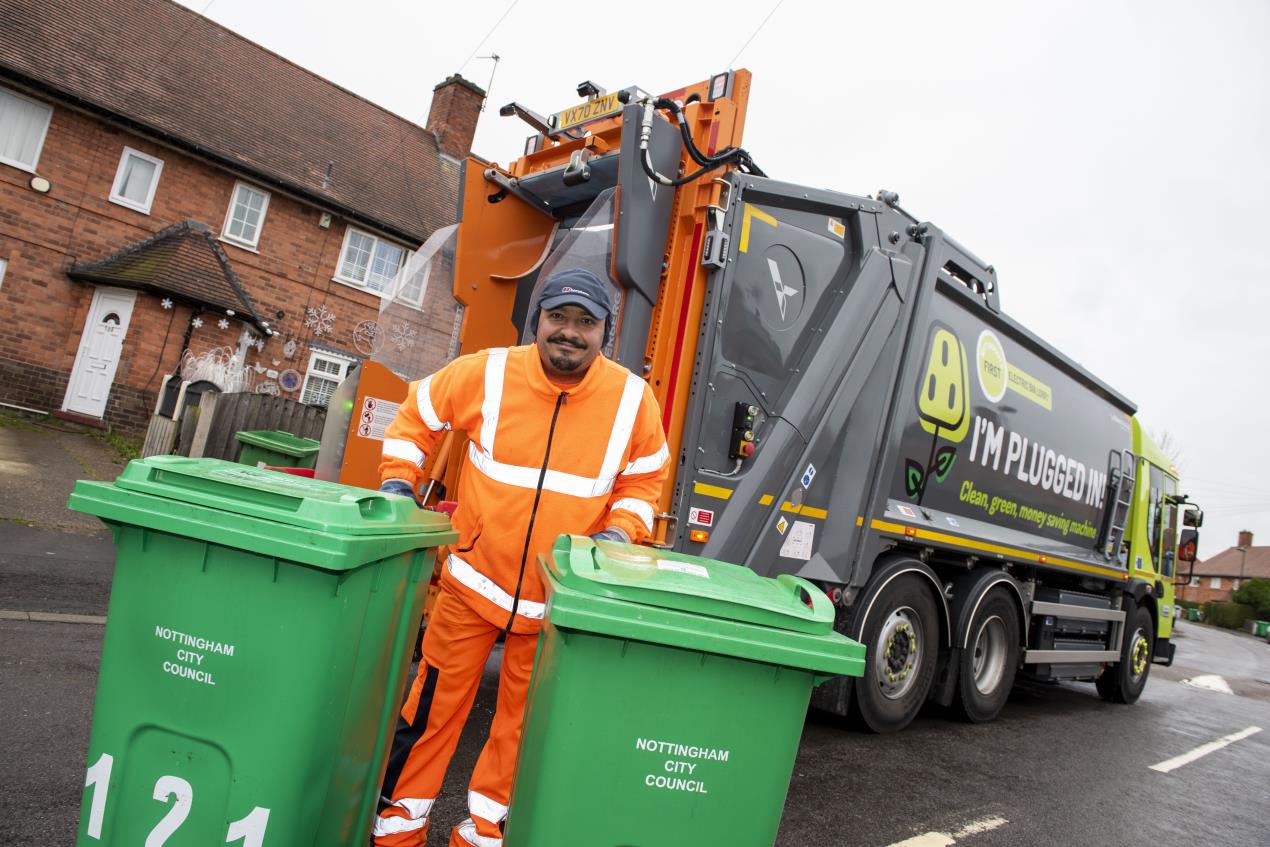
A Freedom of Information request from 2024 shows the council spent £8.7m on its fleet of 20 electric bin lorries, which have encountered a series of problems since their adoption.
Some of the problems included charging faults which led to reliability problems on the road, as well as capacity concerns and range problems when collecting garden waste.
During a People and Communities Scrutiny Committee meeting on Wednesday (September 3) Cllr Linda Woodings (Lab), executive member for regional development, growth and transport, said: “We were the first adopters of first-generation electric refuse vehicles.
“Those vehicles are very, very heavy, and they have to be plugged in all night, and if a plug slightly comes undone then the vehicle does not work for as long as it needs to the next day.
“There is a bit of a lesson learned there about not being the first do adopt a brand new technology.
“If we’d had been able to see into the future we would have thought let’s hold fire and make sure these vehicles do have that reliability factor going forward.”
Ken France, the council’s head of fleet, said the authority was now looking at running its larger, heavier diesel vehicles on Hydrotreated Vegetable Oil (HVO) fuel.
He said an electric bin lorry costs £560,000, weighs 26 tonnes, and has a 12-tonne capacity for waste on the back.
A diesel bin lorry costs £265,000, is 32 tonnes, and has a larger 20-tonne capacity for waste on the back.
Running these diesel vehicles on HVO fuel “is the single most cost effective approach to carbon reduction,” he said.
“So [electric] has reduced capacity on the back, it costs us twice us much… and because the cost of electricity has gone up with inflation over the last six years, it is about the equivalent of diesel now.
“So there are no savings with an electric vehicle. So if we implement a diesel vehicle with HVO, you get the equivalent carbon reduction while saving the council a significant amount of capital.”
Mr France added that an electric bin lorry therefore “does not represent best value for the council because maintenance and running costs even themselves out.”
“From a cost perspective I would replace a diesel van for an electric van and I wouldn’t even hesitate,” he added.
“On a HGV I wouldn’t even look at an electric one unless we got a load of grant funding from the Government. We should be looking at diesel with HVO because that is the best value choice.”
The comments came after data published in 2023 revealed charging faults on electric bin lorries had party led to 11,675 missed bin collections in just three months that year, in addition to staffing problems.
Speaking to the Local Democracy Reporting Service after the meeting, Cllr Andrew Rule, of the Nottingham Independents and Independent opposition group, said: “It appears the purchase of the electric bin lorries may not have demonstrated value for council tax payers due to the price premium between electric and diesel fleets, and the lower capacity and range of electric vehicles compared with their diesel counterparts.
“It is nevertheless encouraging that officers have found a workaround in converting the existing diesel vehicles to run on vegetable oil, reducing emissions, which shows that at least in this area the council is not pursuing CN28 at any cost.”
