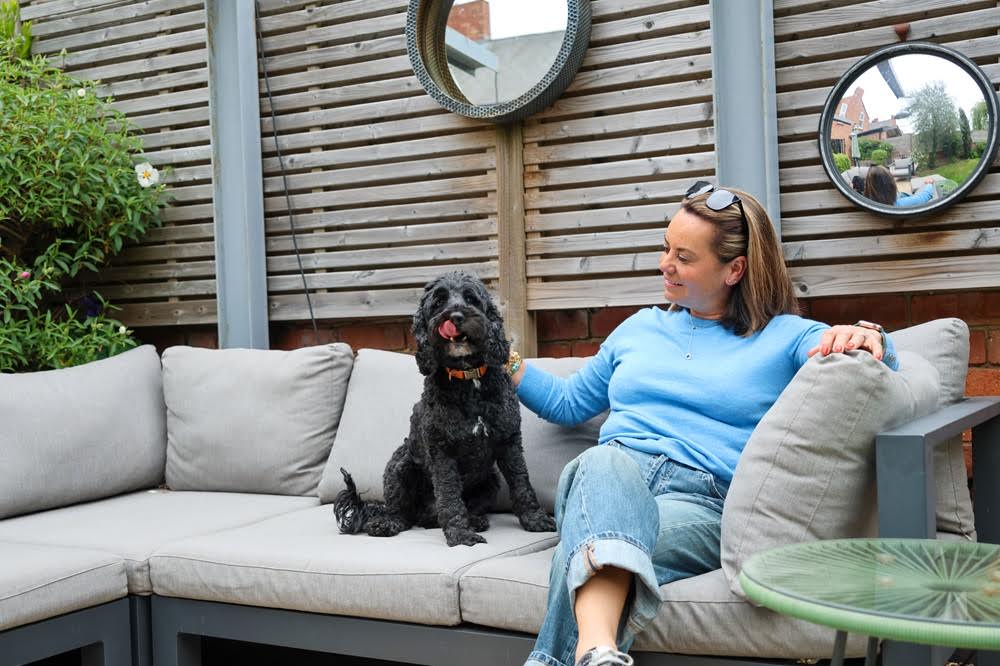
It was while she was driving that Rachel Stevenson noticed something odd in her right thigh. It felt about the size of a small boiled egg, but there was no visible lump and no pain.
She left it for a few weeks — until the day she met friends for lunch and was so exhausted she had to nap in her car beforehand. Even then, she didn’t connect the dots.


That chance discovery in August 2017 would turn her world upside down. A few GP visits, an ultrasound, an MRI scan, and a biopsy later, the then 44-year-old was given a diagnosis she never saw coming: myxoid liposarcoma, a rare form of soft tissue cancer.
“It was a massive shock,” says Rachel, now 52, from West Bridgford, Nottingham. “I thought I was going to die.”
Her first thought was of her daughter, Lyla, then just five years old. “Will I be here for her?” she wondered.
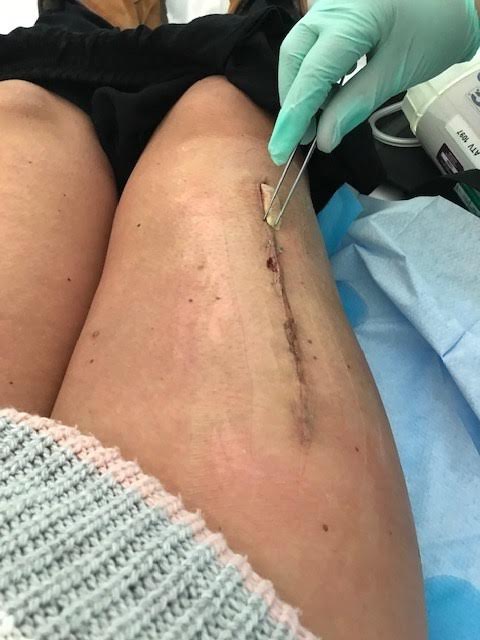
What followed was five weeks of daily radiotherapy, which successfully shrank the tumour, and then excision surgery in March 2018 — a 90-minute operation that left a 30 cm scar on her thigh. Throughout it all, Rachel kept her digital marketing agency, RS Media, running with the help of freelancers. She also found community in Facebook groups for sarcoma patients, connecting with others who understood what she was going through.
At home, her cockapoo puppy, Teddy, barely left her side. “He would just sit on the bed with me,” she says.
Rachel is also grateful to her parents, Loraine and Jimmy, and her brother, Dean. “My mum was amazing and used to sit listening to me crying and laughing.”
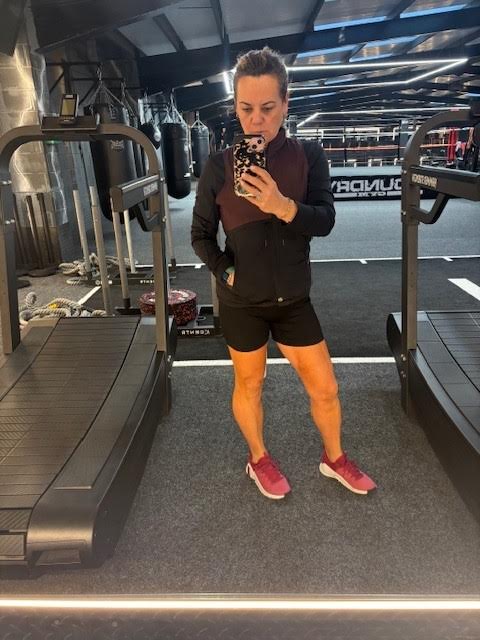
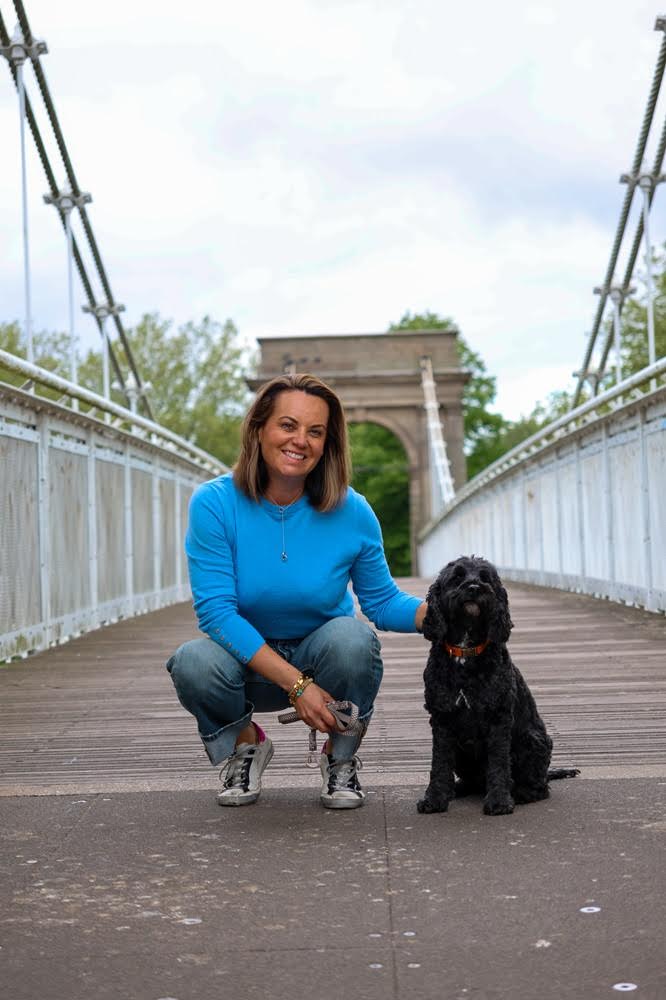
This March, Rachel marked eight years cancer-free — a milestone she reached with the support of her husband, Matt, Lyla, stepdaughter Holly, and a now very well-walked Teddy. She now covers up to 25 miles a week on foot, goes to the gym four times a week, and has completed two half-marathons, including the London Landmarks Half Marathon in aid of Sarcoma UK.
The experience has fundamentally shifted how she sees life. “People say you’re so brave when you have cancer, but you don’t have a choice,” she reflects. “It’s like standing on a surfboard riding a wave. I thought cancer was the kind of thing that happens to other people. It has made me more present.”
Today, she watches her body closely but lives without the paralysing fear that once gripped her. “As the years went by, I relaxed a bit. I know my body quite well. If it came back, I think I would know.”
Liposarcoma is a type of cancer that starts in the fat cells around the body.
Sarcoma UK’s Director of Research, Policy and Support, Dr Sorrel Bickley, said: “Stories like Rachel’s remind us why this research matters so urgently. Rachel was 44, running a business and raising a young daughter, when her diagnosis turned her life upside down. She was fortunate that her treatment worked — but too many people with liposarcoma are not so lucky.
“Dr Zoë Walters and her team at the University of Southampton are doing exciting work that, we hope, can change the outlook for liposarcoma patients in a very real way. Through two Sarcoma UK-funded projects, she is tackling the disease from two angles — first, building new laboratory models that include immune cells alongside tumour cells, so we can finally begin to understand how the two interact and why so few patients currently respond to immunotherapy.
“Alongside that, her team is digging into the specific genetic changes that drive dedifferentiated liposarcoma, the most aggressive subtype, to identify drugs that could target it more effectively and with fewer of the devastating side effects that current treatments bring. Prof Walters’ work brings us closer to the day when far more patients have access to treatments that are not just more effective, but kinder too.”
