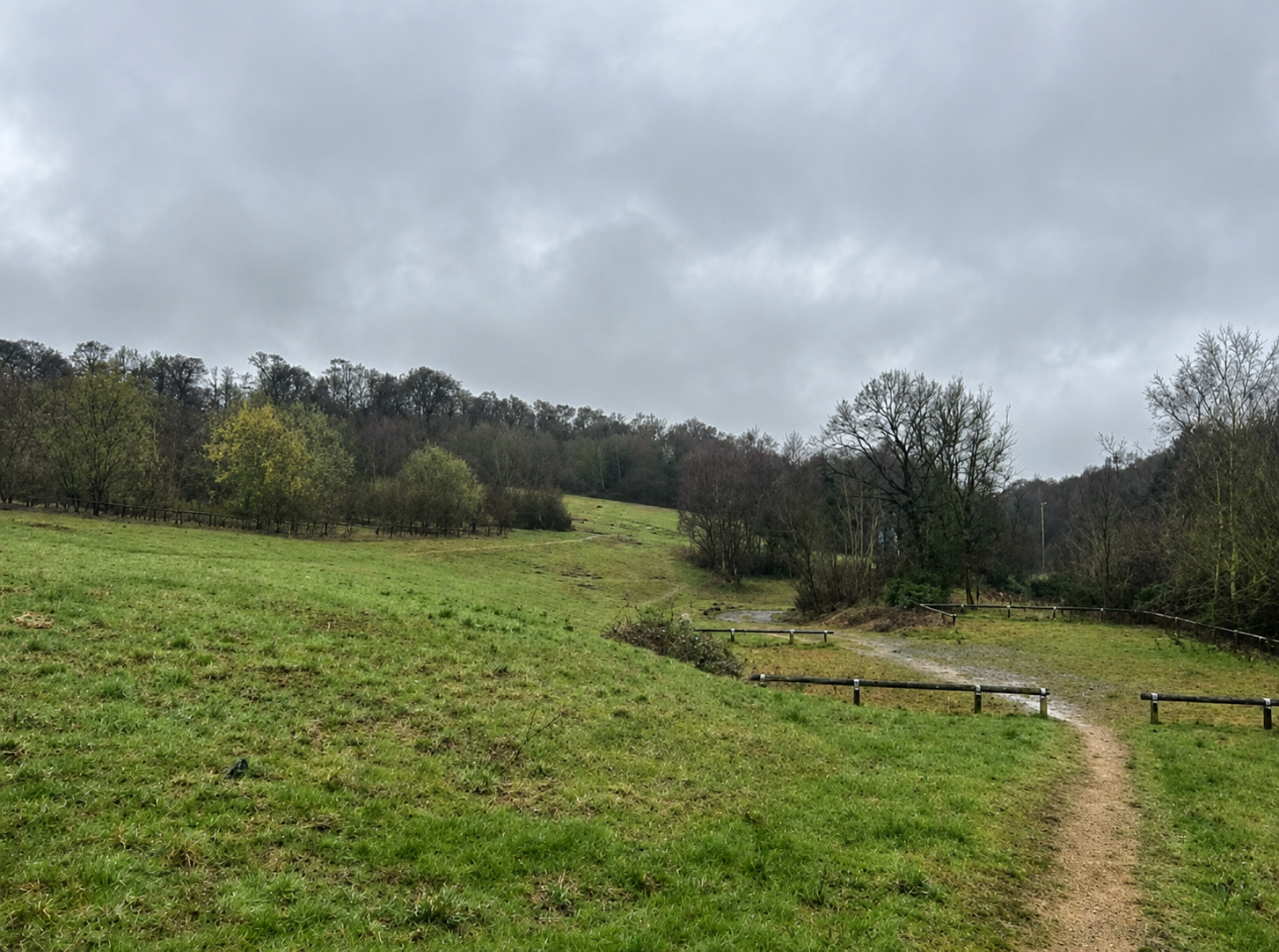
Broxtowe Borough Council will be converting a former sand pit in Bramcote into a new nature reserve to provide improved open space for the hundreds of new homes that are being built in the area.
The 18-acre quarry and landfill site was capped and restored by its previous operator, Biffa, but the car park is currently gated off due to the risk of fly-tipping and illegal encampments.


Broxtowe Borough Council officially adopted the site in July last year and will be transforming the site into a new, official reserve.
In February, the authority’s cabinet approved plans to transform the site, off Coventry Lane, into a country park and nature reserve, which will feature a new car park, improved paths and access, better security, and new picnic areas.
A public consultation was then held to find out what people wanted to call it, as well as what they wanted to see in the new reserve.

A total of 275 responses were received.
Broxtowe Alliance member Tyler Marsh, portfolio holder for environment and climate change, said there had been two suggestions for the name.
However, there had been a “clear preference” for retaining the existing Bramcote Quarry name.
The council’s cabinet decided it will be called Bramcote Quarry Nature Reserve at a meeting on Tuesday (30 June).
“What was good to see was a commitment from the public to keeping it as a natural space,” he said.
“It is reassuring to know the public feeling is in line with the council. It will align with our five nature reserves within 5 km plan.
“We are in the early stages. We’ve got the name, we’ve got the public support, and we’ve just got to deliver it now.”
Responses to the consultation indicated that accessibility is an important issue, with over two-thirds of respondents considering the site to be either “not very accessible” or only “mostly accessible”, which the council says suggests that existing paths and routes do not fully meet users’ needs.
A further 23 per cent of respondents said they either do not use the paths or consider them not accessible at all, reinforcing the extent to which accessibility may be limiting use of the site, the council said.
Seating and resting areas were the most frequently selected option, alongside particularly high levels of support for wildflower meadows and additional native tree and shrub planting.
There have been a raft of “serious incidents of fly-tipping in the past”, and the consultation revealed a clear majority of respondents supported the introduction of height-restriction barriers and improvements to the entrance layout.
Cllr Marsh added: “We’ve seen a reduction [in fly-tipping] across the borough of about 70 per cent in the last year, which is good news, but there are hotspots for it.
“Having more people use the site will hopefully inspire civic pride.”
Some work to improve the pathways and access has already started and will continue over the coming months and years, alongside the ongoing maintenance of the site.
By Joe Locker, Local Democracy Reporter