
Recorded violent knife crime in Nottinghamshire rose by 26.8% over a year, according to a police performance report which also shows increases in vehicle crime and personal robbery.



Police recorded 1,048 violent offences involving knives or bladed articles in the 12 months to September 2026. The report says increases occurred in both Nottingham and the county, partly reflecting changes to the way business robberies have been recorded since April 2025.
The figures therefore can’t be treated as a direct measure of the increase in underlying violence.
The category includes offences such as threats to kill, assaults, robbery and sexual offences involving a knife or bladed article, rather than being a count of stabbings.
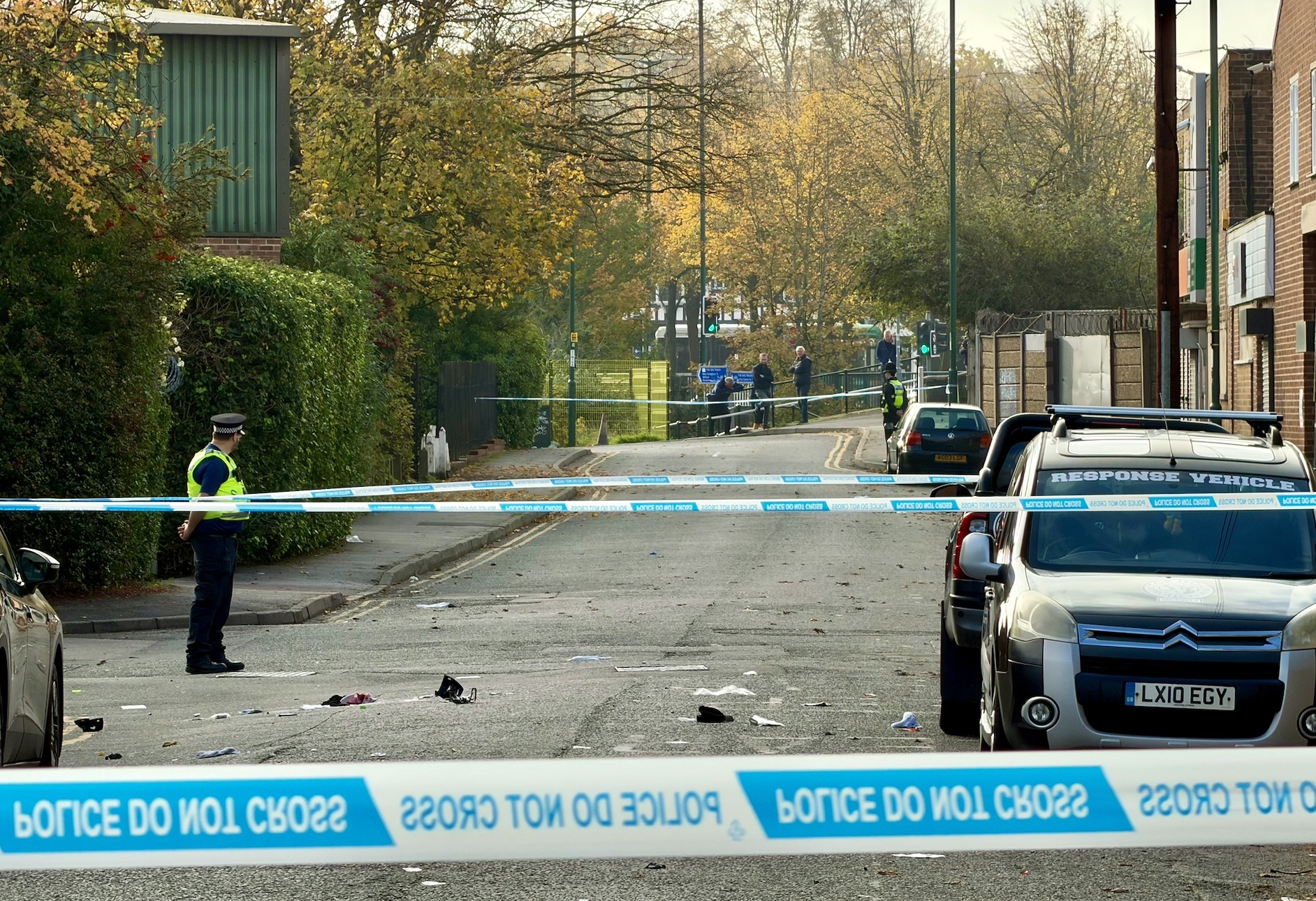
The findings appear in a report from the Police and Crime Commissioner due to be considered by Nottinghamshire’s Police and Crime Panel on Monday 16 November.
It tracks progress against the Police and Crime Plan 2025–29, with performance ambitions set for March 2028 and most comparisons measured against a baseline covering April 2023 to March 2024.
The proportion of violent knife crime offences receiving a police-recorded positive outcome stood at 14.7%, down 4.1 percentage points on the previous year. This is a police outcome measure, rather than a conviction rate.
The report says recorded violent knife offences have increased consistently since December 2025. Even after allowing for the effect of recording changes, it says levels remain above the plan’s crime reduction ambition.
Home Office funding through the Knife Crime Concentration Fund is supporting increased high-visibility patrols at nine violence hotspots over three years. Police and violence reduction partners are also working to identify and support vulnerable young people and divert them from crime.
Across all crime categories, the force recorded 105,994 offences in the year to September, an increase of 6.2%.
Victim-based crime rose by 7.6%, or 6,338 offences, to 89,831. That total was 5.2% above the plan’s baseline, against an ambition to reduce it by 8% by March 2028.
Vehicle crime, covering theft of and from vehicles, increased by 16.2% to 5,285 offences. Personal robbery rose by 25.9% to 1,134 offences, while theft from the person increased by 14.7% to 1,082.
Residential burglary fell slightly, by 0.7%, to 2,776 offences.
The report says neighbourhood crime increased across the county area, although Nottingham city recorded reductions in burglary and theft from the person.
Robbery offences increased in all seven county districts. The report attributes part of that rise to changes intended to ensure retail theft involving violence or threats is consistently recorded as robbery.
In September, the force secured £8,000 in Home Office funding for work targeting vehicle crime. This was distributed across Nottingham and Nottinghamshire to support additional patrols in identified hotspots.
The update also highlights pressure on emergency call handling. Police received 265,967 calls to 999 over the year, up 11.7%.
The latest reported measure shows 86.7% of emergency calls were answered within ten seconds, below the police and crime plan’s 90% ambition.
Measures to improve performance have included enhanced overtime, faster recruitment of emergency call handlers and doubling the next training intake from eight recruits to 16.
The report says monthly performance improved from 74.8% of calls answered within ten seconds in June to 89.2% in August.
For the most urgent Grade 1 incidents, police attended within the applicable target time in 72.8% of cases, compared with a March 2028 ambition of 76.7%.

Public confidence remained below the plan’s target. In the Police and Crime Survey, 49% of respondents said they were very or fairly confident in Nottinghamshire Police, against an ambition of 60% by March 2028.
However, the proportion who said they were not confident fell from 18% to 16.9% over the year. Those who were neither confident nor unconfident increased from 31.6% to 34.1%.
The report also identifies areas of improvement. The force’s investigation quality index remained at 8.5 out of ten, meeting the commissioner’s ambition.
The latest available figures show 142 young people entered the youth justice system for the first time in the year to June 2026, down 10.7% on the previous year and 32.4% below the plan’s baseline. September figures were not available in time for the meeting.
The report links that reduction to prevention and diversion work, including school engagement, youth outreach, mentoring and early intervention.
A Youth Immediate Justice pathway has expanded since October 2024, offering structured community resolutions for young people aged 12 to 17. Young Futures Prevention Panels have also been established in Mansfield and Aspley to identify children at risk of becoming involved in crime who are not already receiving statutory support.
The panel is being asked to scrutinise performance, seek assurances about areas of concern and request further information where needed. The report is for information and does not seek approval for a new spending commitment or policy decision.
