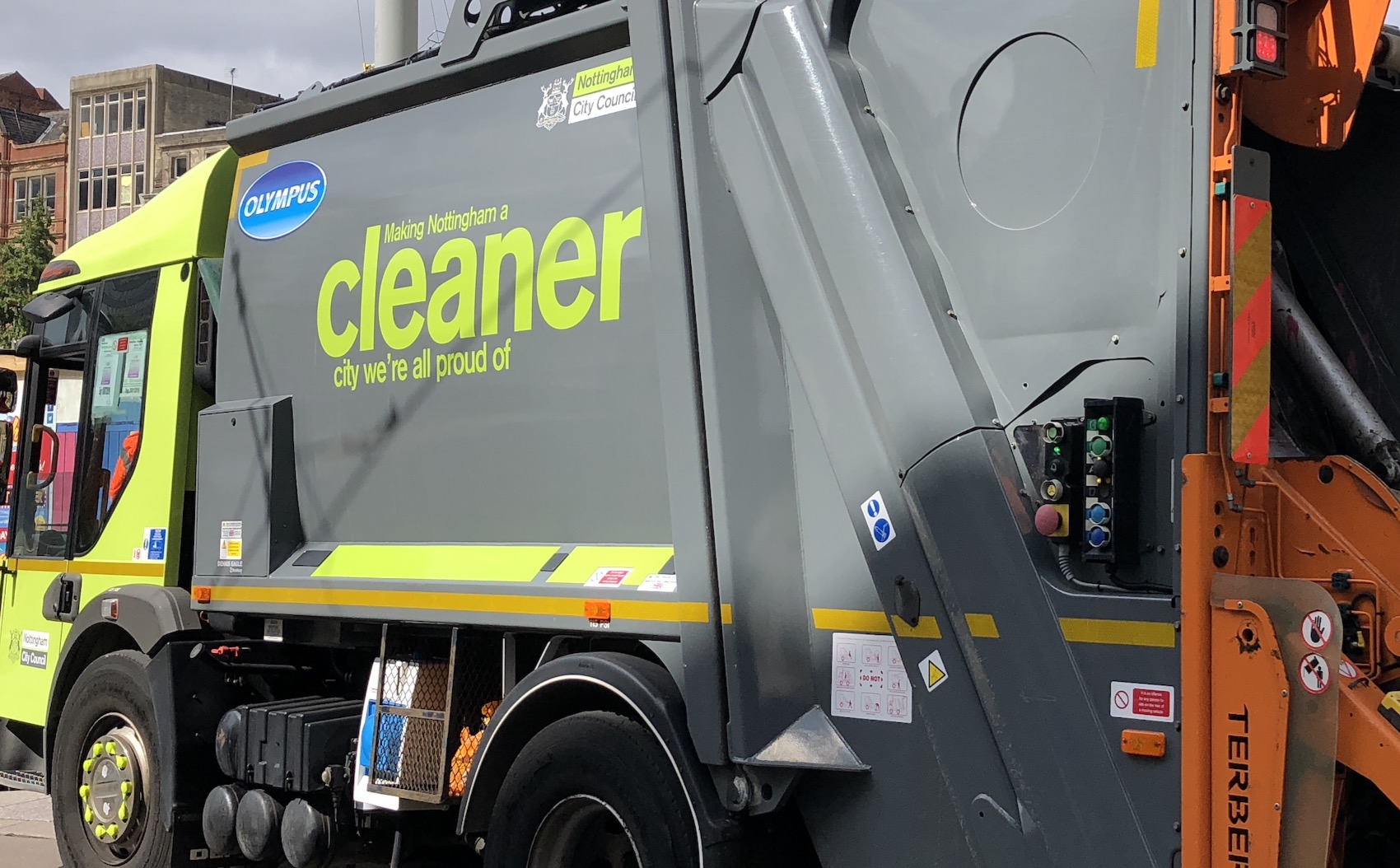
Nottingham city residents can throw more things in their recycling bins to make it more convenient.
Since June this year, Nottingham City Council has been allowing residents to put even more items in recycling bins.



The move means the city is now allowing more items to be recycled four years ahead of Government legislation.
New items include plastic bags and wrapping, such as supermarket carrier bags, rice bags, sweet wrappers, and crisp packets, as well as cartons, including those for laundry detergent, and foil items, including purée tubes.
The new materials can be placed in existing recycling bins alongside paper, card, cans, tins, glass, and plastic bottles, tubs, trays, pots and tubes, but all items must be empty and clean.

Cllr Sam Lux (Lab), executive member for environment and sustainability, said: “We just want people to be aware they can put these new items in recycling.
“We are doing it well ahead of other councils. Not many have the facilities to recycle soft plastics.
“Historically, we have had really bad contamination rates. If you threw the wrong thing in, like some melon, or some soft plastics, the bin men would say it’s going to incineration. It is a significant cost to the council.”
However, Cllr Lux says the changes made back in June have brought contamination rates down, with an expected improvement to recycling rates too.
While the rates of contamination can change depending on the season – with more contamination typically found over the Christmas period – it marks an improvement.
“The key takeaway is because we’ve moved ahead, contamination rates are lower and it is way more convenient,” she added.
The council has been able to introduce the changes four years ahead of schedule due to a new disposal contract, which sits with a different company with a more modern Materials Recovery Facility (MRF).
This new facility has been processing collected material since June, and the site has been able to sort plastic film items ahead of the legislative requirements.
Last year, figures revealed recycling rates across Nottingham had “stagnated” and were below Government-set targets.
Rates reported last year sat at around 40 per cent – below the Government target of 65 per cent by 2035.
While rates have stagnated, they are up on the 23 per cent recycling rate recorded as of 2021, when the city was well below the then national average of 40 per cent.
If more than 15 per cent of this recyclable waste delivered by the council to the plant is contaminated, a financial penalty is incurred, which is paid to the waste contractor.
In 2023, the council said penalties of £1 million a year were being incurred due to contamination.
A full list of recyclable items is below:
Plastic bags and wrapping:
– Supermarket carrier bags
– Fresh fruit, vegetable, and salad bags
– Fruit and vegetable net bags
– Bread and bagel bags
– Cereal, pasta, and rice bags
– Frozen food bags
– Multipack wrapping, e.g. kitchen roll, toilet paper, drinks cans
– Film lids, e.g. from fruit punnets, yoghurt, deli items, meat trays, ready meals
– Confectionery wrappers, e.g. sweets, chocolates, cakes, biscuits
– Crisp packets
– Sandwich and freezer bags
– Cling film
– Bubble wrap
– Plastic wrapping, e.g. magazines, clothing, mailing bags
Cartons:
– Drinks cartons, e.g. juice, milk, plant-based drinks cartons
– Food cartons, e.g. soup, broth, chopped tomatoes and passata cartons
– Laundry detergent cartons
Foil items:
– Clean, loose aluminium foil (scrunched into a tennis ball-sized ball)
– Foil oven trays, e.g. ready meal trays, baking trays/dishes
– Pie, tart, and quiche tins
– Foil containers, e.g. takeaway boxes
– Empty foil tubes, e.g. tomato purée tubes
By Joe Locker, Local Democracy Reporter