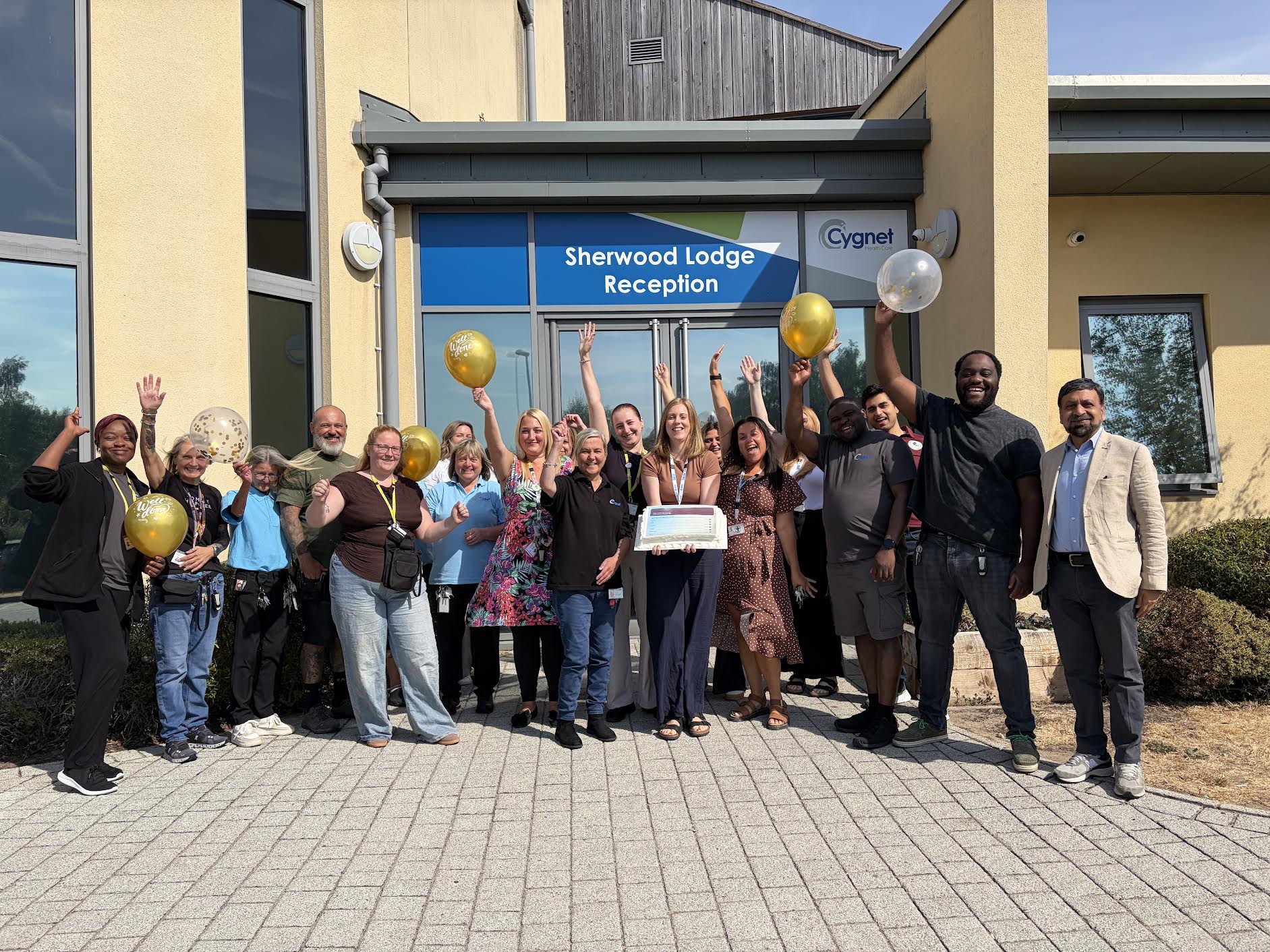
A Mansfield hospital for people with learning disabilities and autism has been rated Good in all five areas assessed by the Care Quality Commission.
Cygnet Sherwood Lodge, a 26-bed hospital on Rufford Colliery Lane, was rated Good for safety, effectiveness, care, responsiveness and leadership following its latest inspection.


Inspectors said the hospital provided “a safe, therapeutic, and person-centred environment focused on recovery, rehabilitation and community reintegration”, with care and treatment delivered “to a high standard”.
The CQC spoke to eight people using the service and four relatives during the inspection. Feedback about the care and support provided was overwhelmingly positive.
One relative said: “You really can tell the staff genuinely care. Nothing is ever too much trouble and based on the way my son is now I honestly wish they would use Sherwood Lodge as a blueprint for the other hospitals across the country.”
Inspectors found that patients felt safe, supported and cared for. Staff were described as “kind, compassionate, approachable, and respectful”.
The report said: “Staff were attentive to individual needs and provided support in a manner that promoted dignity and respect, ensuring that people felt listened to, involved, and valued throughout their care and treatment journey.”

Another relative said: “We visit our son regularly and there’s always staff around. They are really engaging and always welcoming. I can honestly say the staff definitely do all they can to keep our son safe.”
A family member told inspectors they were included in decisions about their son’s treatment.
They said: “I am involved in my son’s care and treatment; staff really do include me in decisions, I feel listened to and when I ask for anything the staff are always very quick to get me what I need.”
Patients also spoke positively about the support they received.
One person said: “All the staff are great, and they care for me very well. My mum and dad are happy too, and they know that the staff really care about me.”
Inspectors were told that staff helped patients maintain contact with relatives, including arranging visits home.
One family member said: “I live quite a distance from the hospital, but staff bring my son home every month to spend the day with me which means a lot to us.”
Another relative said: “Sherwood Lodge give my son everything he needs. He has been in many different hospitals over the years, and not one of them has come close to this one. All the care and support is personal to my son. I can’t fault them, and my son loves the staff.”
The CQC also examined the hospital’s therapeutic programme, which includes psychological therapies, education, vocational opportunities and structured activities intended to support recovery and independence.
Its Forest School programme allows patients to take part in gardening, nature-based activities, teamwork exercises and practical tasks.
The report said the programme “improved people’s personal, social, and emotional life skills, boosted self-esteem and provided a sense of self-worth.”
Patients can also take part in swimming, cycling, arts and crafts, social outings, vocational training, education and community projects.
Inspectors noted that some were working with residents on a land reclamation and regeneration scheme in the local community.
The hospital also holds events for families and carers, including barbecues where relatives can spend time with patients, meet staff and receive support.
One member of staff said: “Having the event days helps us to foster a culture of inclusion, and meaningful relationship building.”
Inspectors highlighted the hospital’s use of “All About Me” documents, which record each patient’s communication needs, preferences and triggers to help staff provide individual support.
The CQC said hospital leaders promoted “a culture of innovation, continuous improvement, and staff wellbeing”. Employees described managers as visible, approachable and responsive.
One member of staff said: “Management are incredibly supportive and they have done so much for me, I feel happy and secure.”
The report also outlined the progress made by patients towards greater independence.
Inspectors said: “Personal goals included building confidence, progressing in community-based activities, and preparing for future transitions. People successfully rejoined their communities, which demonstrated improved independence, resilience, and sustainable recovery.
“People were encouraged, and supported to engage in vocational training, education courses, gymnasium classes, and groups within their local communities, which promoted skill building, confidence, and resilience.”
Verity Allsop, hospital manager, said: “We are incredibly proud of this report, but what means the most to us is the feedback from the people we support and their families. Knowing that relatives feel listened to, involved and reassured that their loved ones are receiving compassionate, personalised care is the greatest recognition our team could receive.
“We are committed to creating an environment where every person has the opportunity to develop greater independence, achieve their goals and maintain strong relationships with the people who matter most to them.
“This recognition will continue to motivate us as we build on the excellent work of our team and support more people to achieve positive outcomes, develop confidence and progress towards fulfilling lives.”
- CQC rates Mansfield supported living service as outstanding in first inspection
- West Bridgford homecare service rated Outstanding by CQC inspectors
