Nottinghamshire County Council is considering extending the use of traffic enforcement cameras across new developments, with developers expected to fund the technology to improve compliance with road restrictions.
A report to the council’s Cabinet Member for Transport and Environment outlines proposals to allow highways officers to incorporate camera enforcement into traffic management plans tied to planning applications, with final decisions on specific locations delegated to the Head of Highways.


The move follows the council securing powers from the Department for Transport to enforce moving traffic offences, such as banned turns and no-entry restrictions, in December 2024. Enforcement has already begun at two trial sites, including the junction of Radcliffe Road and Trent Boulevard in West Bridgford, where a yellow box junction and a banned left turn are monitored by camera, and a separate site in Newark.
Initial findings from these sites suggest compliance has improved where cameras are in place, supported by signage. The report notes similar outcomes from existing bus lane enforcement, where driver behaviour typically improves once cameras are introduced.
Under the proposals, camera enforcement could be required as part of planning conditions or secured through legal agreements with developers. This would allow restrictions to be enforced from the point new roads or junctions become operational, rather than relying on police enforcement, which has historically been limited by resources and competing priorities.
Council officers say the approach could reduce the need for more extensive physical road alterations, offering greater flexibility when assessing new developments. In some cases, it may allow schemes to proceed where highway concerns might otherwise have led to objections or refusal.
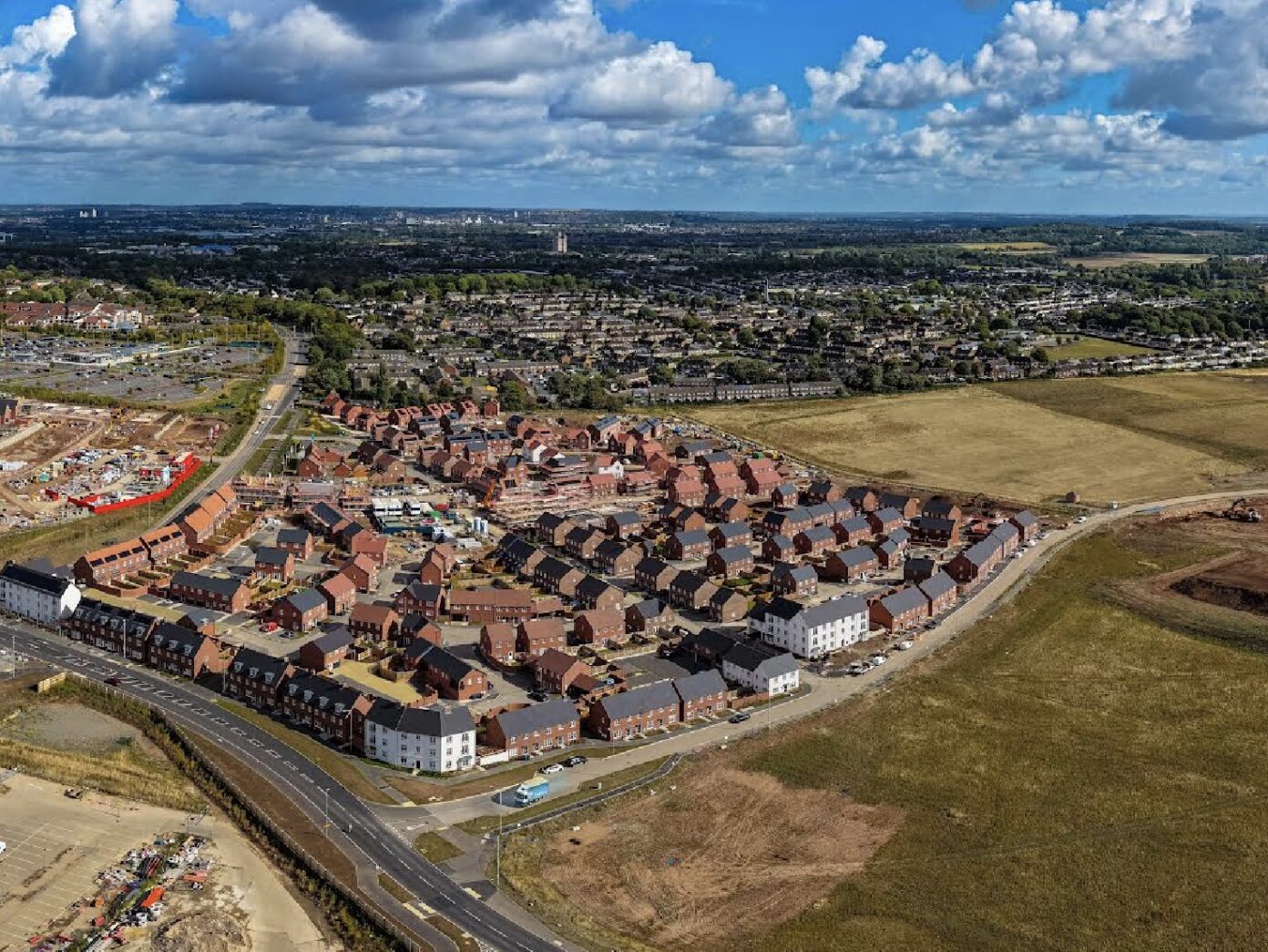
One example highlighted in the report is the large Fairham development to the south of Clifton, which includes more than 3,000 homes along with employment and retail space. Traffic restrictions were approved at a key junction on Nottingham Road in Barton-in-Fabis to prevent certain turning movements that could reduce capacity and raise safety concerns as the development expands.
However, monitoring has shown significant non-compliance, with more than 100 vehicles a day carrying out prohibited manoeuvres. The developer has now agreed to fund enforcement cameras at the junction to address the issue and support the continued build-out of the site.
For future developments, the council is proposing that cameras be installed at the same time as restrictions are introduced, to prevent unsafe driving patterns becoming established. In line with national guidance, motorists would initially receive warning notices before any penalty charges are issued.
The report makes clear that the cost of installing and maintaining cameras would be met entirely by developers, with no direct financial burden on the council. Any surplus income from enforcement would be retained by the authority and used in accordance with legislation governing civil traffic enforcement, typically to support transport and highway improvements.
The proposals are due to be considered by the Cabinet Member for Transport and Environment. If approved, they would allow camera enforcement to become a more routine part of how traffic impacts from new developments are managed across Nottinghamshire.
For residents, the changes would mean increased use of clearly signed enforcement cameras at certain junctions and restrictions, particularly in areas affected by new housing or mixed-use schemes. The council says the aim is to improve road safety, ensure traffic follows appropriate routes, and support the efficient operation of the wider network as development continues across the county.
