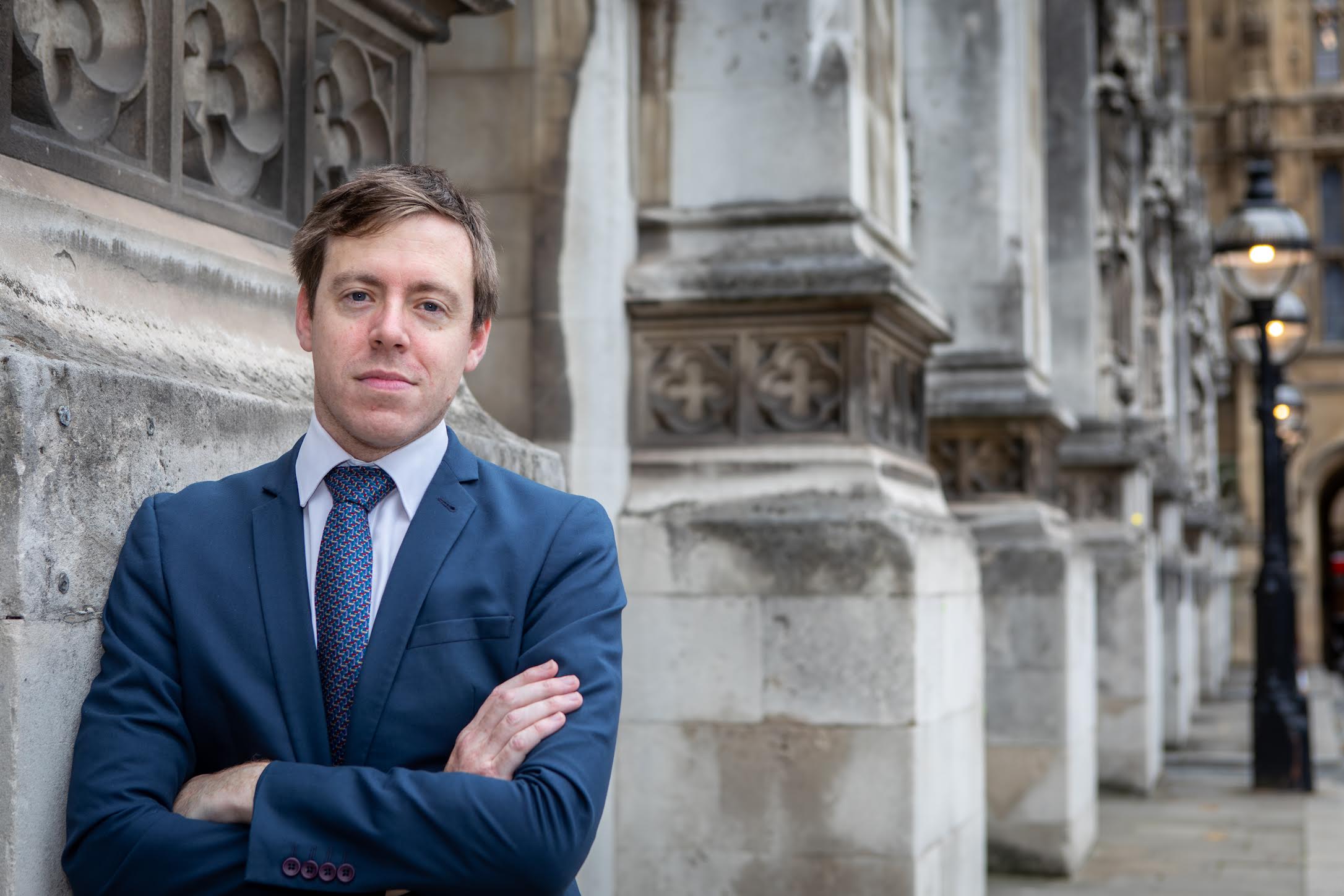
Rushcliffe MP James Naish led a parliamentary debate on Tuesday, 13 January, examining whether there should be a statutory duty of care requiring universities to take reasonable steps to protect adult students from foreseeable harm.
The MP, representing the parents of Natasha Abrahart, who took her own life while studying at the University of Bristol in 2018, opened the debate, which focused on the role universities should play in proactively protecting and supporting vulnerable students. Office for National Statistics data show an average of 160 student suicides every year between 2016 and 2023.


In a debate attended by MPs from all parts of the United Kingdom, including representatives of large university cities such as Leeds, York, Cambridge, and Bristol, James Naish pushed for the health, wellbeing, and safety responsibilities of universities to be clearer, more consistent, and enforceable, and suggested that the law needed changing.
He said, “At present, there is no clear statutory duty requiring universities to take reasonable care to protect adult students from foreseeable harm. Instead, responsibilities are scattered across equality law, health and safety law, and voluntary guidance. The result is inconsistency, uncertainty, and gaps that only become clear after harm has occurred.”
Natasha Abrahart, from West Bridgford, was studying physics at the University of Bristol when she died in April 2018, aged 20. Diagnosed with chronic social anxiety disorder two months beforehand, she died on the day that she was due to give a presentation in a 329-seat lecture theatre. Her parents, Bob and Maggie Abrahart, have since formed ForThe100, which believes universities need to have a legal duty of care for students.
In Natasha’s case, the courts ruled that the University of Bristol had breached the Equality Act but declined to find a general duty of care in negligence, with the judge concluding that this question was one for Parliament to assess and legislate on.
The debate in Westminster Hall was attended by dozens of affected families from across the UK, including the Abrahart family.
Speaking afterwards, James Naish said: “The families here today have all experienced painful losses and want to make sure that universities are working to an agreed legal baseline in the future. Universities must act reasonably to prevent harm if vulnerability is evident, and approaches should be the same at every university across the country. This simply isn’t the case today.”
“Most students and parents assume universities have a duty to act when serious risks are known. This isn’t the case, so Parliament needs to update the law.”
During the debate, the MP stressed that a statutory duty of care would not require universities to act in loco parentis, nor impose unlimited clinical responsibilities, but would instead establish a clear, reasonable baseline for safeguarding student wellbeing where harm is foreseeable.
The debate also referenced calls from organisations including the British Medical Association for stronger legal protections for students.
