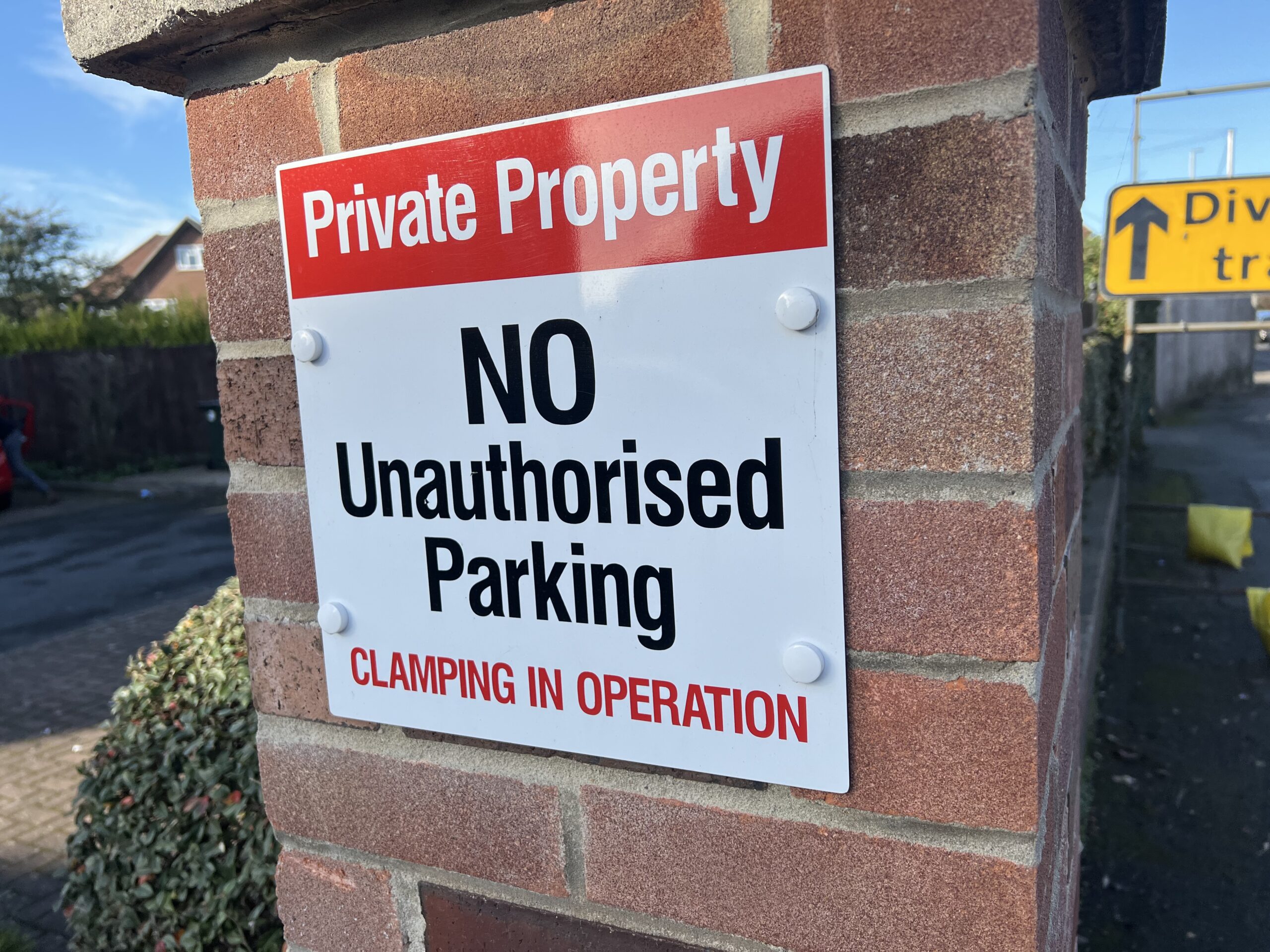
Drivers would gain new rights to challenge private parking charges under a code laid before Parliament today, Tuesday 20 October.
The new Private Parking Code of Practice includes a guaranteed five minutes to decide whether to park and ten minutes to leave after a parking session ends.


It would also require charges to be cancelled on appeal in circumstances including medical emergencies, breakdowns and broken ticket machines, as well as for honest mistakes such as stopping briefly to check directions.
The code is not yet in force. Parliament will have time to scrutinise it before ministers move to introduce the rules.
Under the changes, drivers who make certain errors, such as forgetting a parking permit, entering another vehicle’s registration or failing to confirm their registration at a machine, would have their charge reduced to a maximum of £20 on appeal.
The maximum private parking charge would remain frozen at £100.
Operators that fail to comply would risk losing access to DVLA data, making it more difficult for them to identify a vehicle’s registered keeper and pursue payment.

The government said just under 17 million private parking charges were issued across the UK last year. It consulted on proposals for a new code in 2025, with its response published today setting out the measures it intends to introduce.
The code would establish an independent Scrutiny and Oversight Board and require parking operators to share more information with the government.
Housing, Communities and Local Government Secretary Angela Rayner said: “Parking should be straightforward, not another everyday hassle. These changes mean drivers get a fairer deal, protected time to park and leave without fear of being unfairly charged, and confidence that private parking providers are held to a higher standard.”
Ministers have also promised a consultation as soon as possible next year on private parking debt recovery fees. This would consider reducing the existing £70 cap or removing the fees altogether.
Separately, the government announced plans to strengthen enforcement against second-hand car dealers who alter odometers to disguise a vehicle’s true mileage.
Fraudulently selling a vehicle with an altered mileage reading, known as a clocked car, is already illegal. The government said adding the practice to the official list of banned practices would make it easier for enforcers to take action.
Consumer Action Minister Kate Dearden said the change was intended to protect buyers and support businesses that follow the rules.
