
Nottingham University Hospitals have reported cases of Norovirus on the wards.
Nikunj Mahida, Consultant Medical Microbiologist, said: “We currently have a number of patients with Norovirus, which is a common and highly contagious stomach bug that causes diarrhoea and vomiting. We know that Norovirus is in the community and we really want to encourage people to stay at home and self-care, rather than coming into hospital.


“If you’ve had symptoms of diarrhoea and vomiting, you need to wait at least 72 hours after the symptoms have settled before visiting our wards. Please do not visit patients whilst you are feeling unwell as you will pass this bug onto our vulnerable patients.
“Our staff continue to follow strict hand-washing and infection prevention protocols, which helps to limit the spread of norovirus within our hospitals.
“An infection with norovirus is self-limiting and most people will make a full recovery in 1-2 days. It is important to keep hydrated – especially children and the elderly. If their symptoms persist or medical is advice is needed, please call NHS 111.”
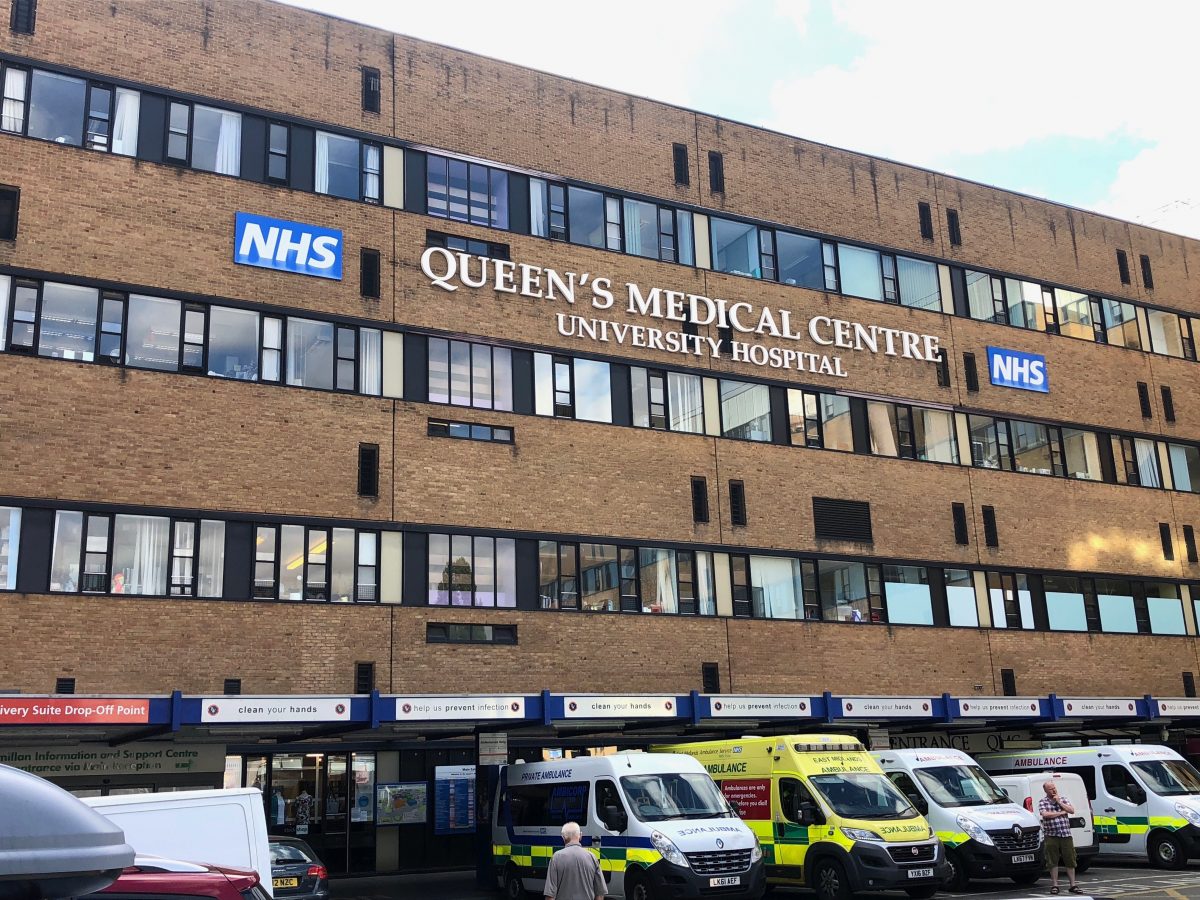
© westbridgfordwire.com
What to do if you have Norovirus
Symptoms typically last two to three days, and you don’t usually need to get medical advice unless there’s a risk of a more serious problem. The advice is to stay at home to avoid spreading the Norovirus, which is very easily transmitted.
Drink plenty of fluids to avoid dehydration. You need to drink more than usual to replace the fluids lost through vomiting and diarrhoea. Avoid fizzy drinks and fruit juice, as this can make diarrhoea worse.
Rest and minimise contact with others, to prevent the spread of the virus.
Treat aches and pains or a raised temperature with paracetamol..
Eat plain foods such as bread, rice and pasta.
How to prevent the spread of Norovirus
Norovirus can spread very easily. Follow these simple steps to minimise the risk of infecting others.
Wash your hands regularly while you’re ill.
Stay off work or school for at least 48 hours after the symptoms have passed. Norovirus can be spread through close contact, touching contaminated surfaces or objects, or eating contaminated food.
Disinfect any surfaces or objects that could be contaminated. Wash any clothing or bedding, and don’t share towels or flannels.
You don’t usually need to visit your GP as there’s no specific treatment. Antibiotics won’t help, as it’s caused by a virus.
Call 111 or your GP if you’re concerned or feel that you need advice.
