
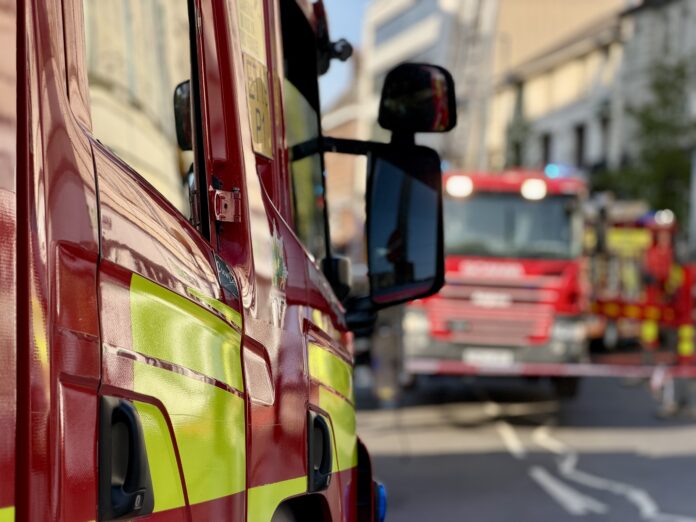
Nottinghamshire Fire and Rescue Service attended more than 12,000 incidents during 2025/26, with demand rising above the average seen in recent years.
A report to the Nottinghamshire and City of Nottingham Fire and Rescue Authority’s Community Safety Committee says the service attended 12,249 incidents during the year, a 12.3 per cent increase on 2024/25.
The report, from Chief Fire Officer Craig Parkin, will be considered by the committee on Thursday 12 June.
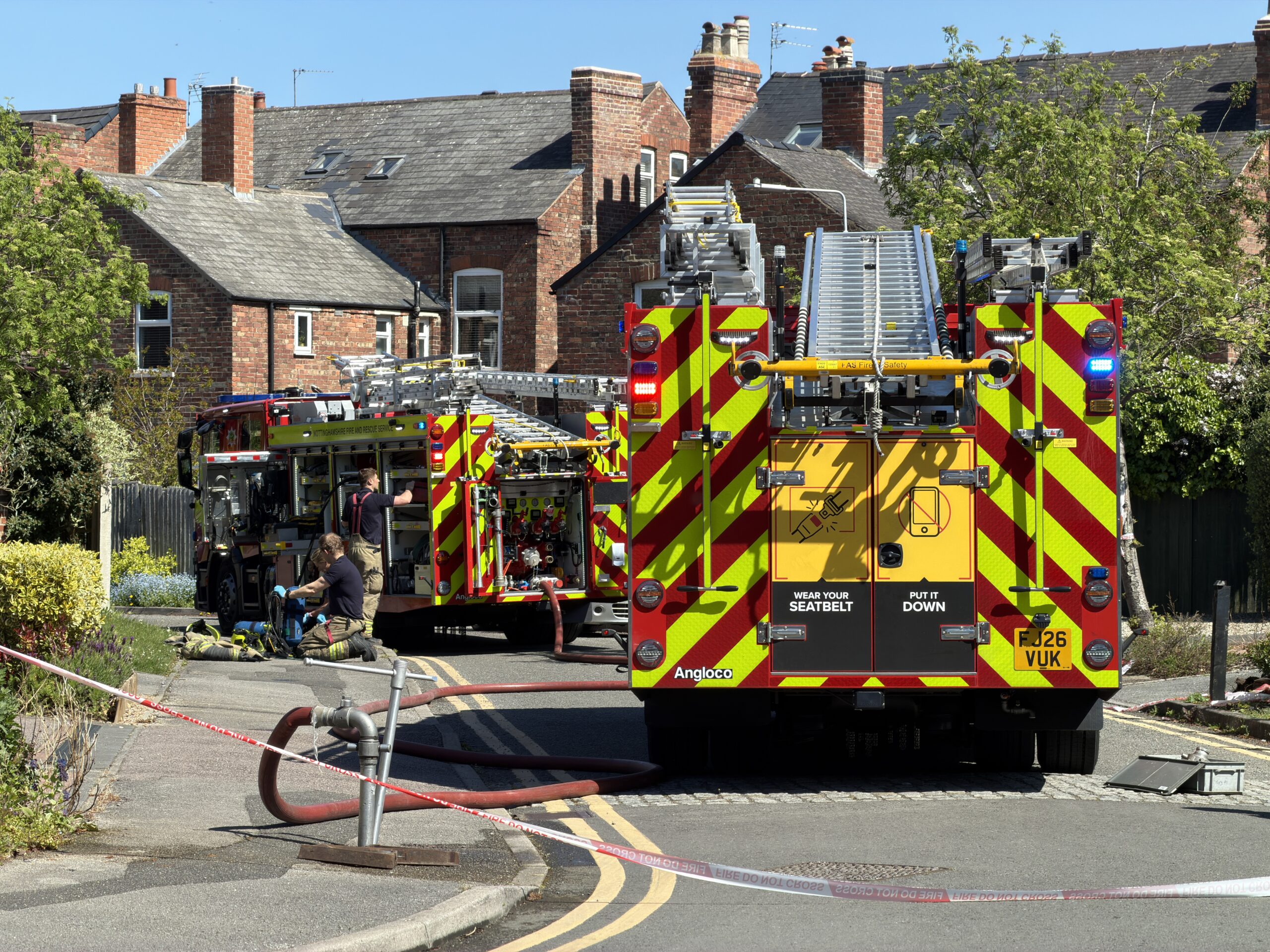
© westbridgfordwire.com
During the final quarter of the year, between 1 January and 31 March 2026, firefighters attended 2,696 incidents, which was 1.6 per cent higher than the same period in 2024/25.
The report says the rise across 2025/26 was driven by a 29.3 per cent increase in fires, largely attributed to the spring and summer heatwave, a 13.2 per cent increase in special service calls, heavily affected by occasions when the fire service assisted East Midlands Ambulance Service, and a 2.4 per cent increase in false alarms.


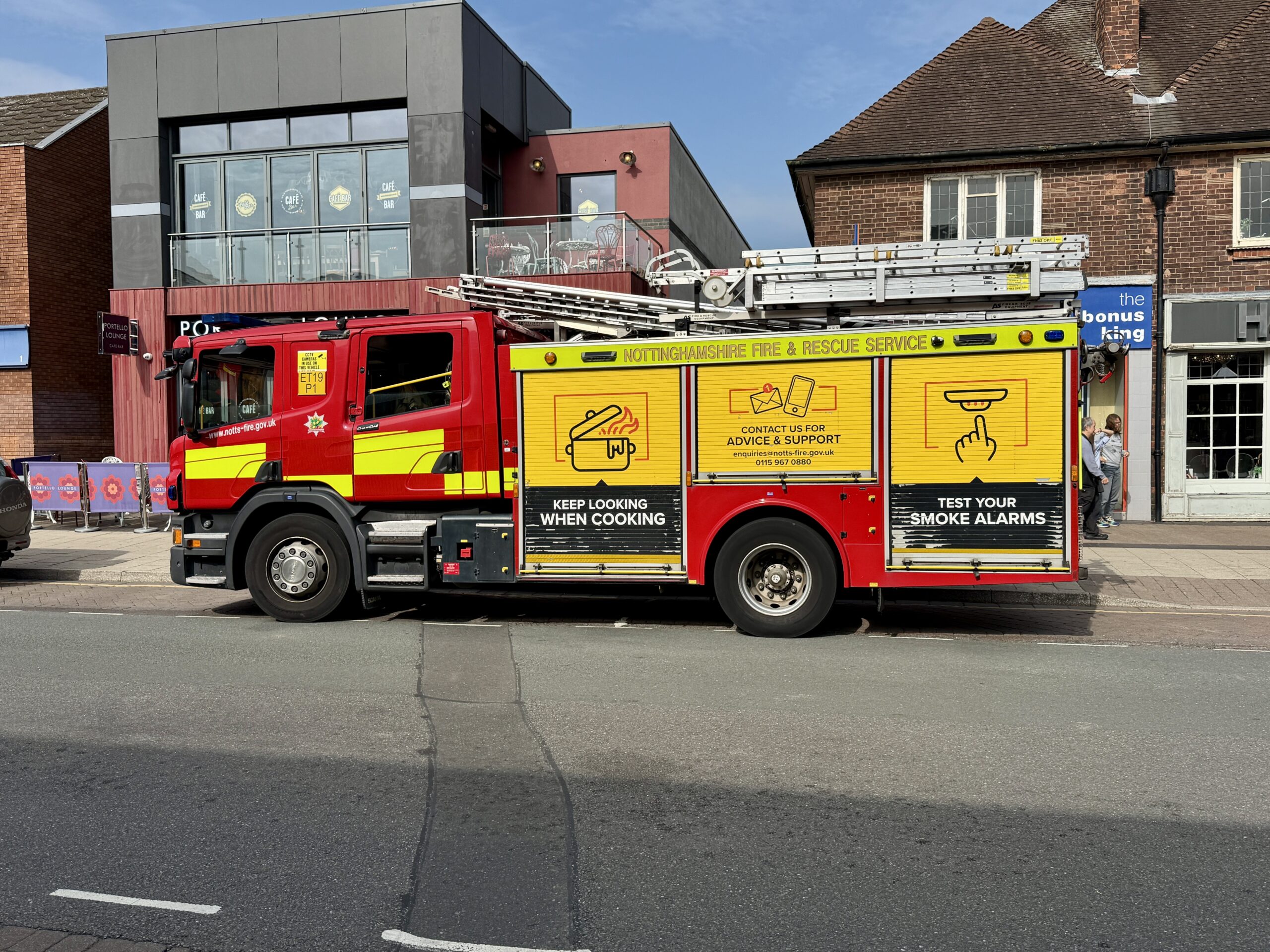
Incident numbers were above the three-year average in every month of 2025/26. Nottingham had the highest number of incidents, with 3,633, while Rushcliffe had the lowest, with 899.
A key target in the service’s Community Risk Management Plan is for all emergency incidents to be attended, on average, within eight minutes from the time the first fire appliance is mobilised. In the final quarter, the average attendance time was seven minutes and 50 seconds, one second faster than the same period the previous year and within the target.
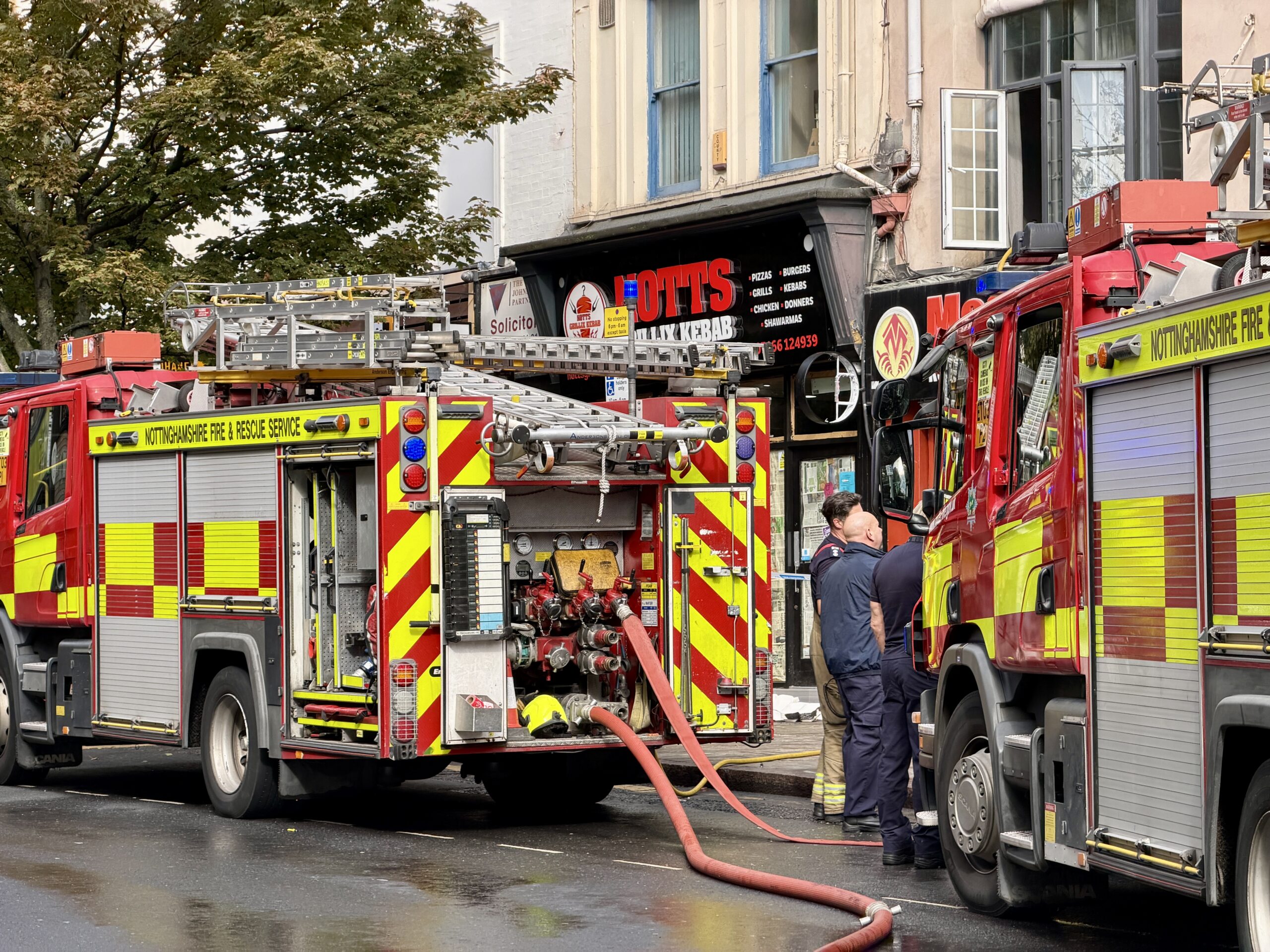
However, the annual average for 2025/26 was eight minutes and seven seconds, meaning the service ended the year seven seconds outside the overall target.
The report also shows an improvement in on-call fire engine availability. Between January and March, on-call station availability averaged 85.5 per cent, the first quarter since the revised Dual Employment Policy was introduced in January 2024 that the service has achieved its 85 per cent target.
The report says national on-call availability across England averaged 66 per cent in 2023/24. In Nottinghamshire, 15 of the 16 on-call sections were above that national average during the final quarter, with Hucknall and Warsop both available for 99.5 per cent of the period. Southwell, at 52 per cent, was the only on-call section below the national average.

Whole-time duty system appliances were available 99.5 per cent of the time in the final quarter, above the 98 per cent target. Across the full year, they were available 98.3 per cent of the time. Special appliances, including aerial ladder platforms, specialist rescue units, the command support unit and environmental protection unit, were available 97.6 per cent of the time in the final quarter and 96.3 per cent across the year, above the 95 per cent target.
The report also covers performance at Joint Fire Control, which operates through a Functional Collaboration Agreement between Nottinghamshire and Derbyshire Fire and Rescue Services. In the final quarter, 95.9 per cent of 999 calls were answered within seven seconds, just below the 96 per cent target. Average call-handling times for the most serious categories of incident were 60 seconds, better than the target of 86 seconds. Mobilisation system availability was 99.4 per cent, above the 99 per cent target.
In prevention work, the service completed 3,722 Safe and Well Visits between January and March and 16,040 across the full year, exceeding its annual target of 16,000. These visits are used to identify and reduce fire risk in homes. The report says 54 per cent of visits in the final quarter were to people over 65 and 49 per cent were to people who identified as having a disability, both of which are risk factors used by the service to identify people more likely to be at risk from fire at home.

© westbridgfordwire.com
The service also carried out community safety work around e-scooter and e-bike safety, lithium-ion battery safety, student safety, water safety, road safety, electric blanket testing, and fire safety for refugees, asylum seekers and people with sight or hearing loss.
A Trading Standards and council electric blanket testing event in Worksop, supported by the fire service, found a 70 per cent failure rate, according to the report.
In fire protection, the service completed 1,104 fire safety audits during 2025/26. The original Community Risk Management Plan commitment was 1,500, but the report says the service achieved a revised commitment of 1,100, which had previously been approved by members of the Community Safety Committee.
The protection team also completed 1,739 business safety checks, exceeding its target of 1,650. During the final quarter, the team carried out 22 post-fire inspections, responded to 67 complaints within the 48-hour target, issued 10 enforcement notices and six prohibition notices, and responded to 189 building regulation consultations.
The report says fire protection officers have also continued to support Mansfield District Council with expert technical advice in relation to a first-tier tribunal claim over a statutory notice served under the Housing Act 2004. The case relates to fire safety systems at a building over 18 metres, with the aim of ensuring systems are installed and maintained by the managing agent.
False alarms remained a significant area of demand. The service responded to 5,296 false alarms during 2025/26, a two per cent increase on the previous year. Within that total, malicious false alarms fell by 46 to 133 incidents.
The service attended 3,001 unwanted fire signals during the year, a four per cent decrease on 2024/25. These are incidents where an alarm activates but no fire service action is ultimately required. The report says reducing unwanted fire signals remains a commitment under the 2025-2028 Community Risk Management Plan, with further reporting changes due to be set out in a future report.
The Joint Audit and Inspection Team, a collaboration between Nottingham City Council and Nottinghamshire Fire and Rescue Service, carried out 35 inspections and 23 follow-up inspections in 2025/26. There are now 118 premises on the team’s audit list. The service says it is working with the city council to ensure premises are inspected within a two-year timescale, in line with high-risk premises in its risk-based inspection programme.
The report also notes governance changes around the Building Safety Regulator. The Building Safety Act created the regulator, which was initially led by the Health and Safety Executive. On 27 January 2026, it formally moved from the HSE to become a standalone executive non-departmental public body sponsored by the Ministry of Housing, Communities and Local Government.
In 2025/26, Nottinghamshire’s work connected to the Building Safety Regulator included 86 completed tasks, 92 “in occupation” jobs involving reviews of building safety case reports, and 51 Building Control Assessments, also known as Gateway 2 applications. This represented 378.5 hours of billable work.
The service has also completed a three-year national assurance cycle for its Marauding Terrorist Attack specialist response capability. The process included a self-assessment in 2023/24, a National Resilience Assurance Team assessment in 2024/25, and a physical exercise in 2025/26.
