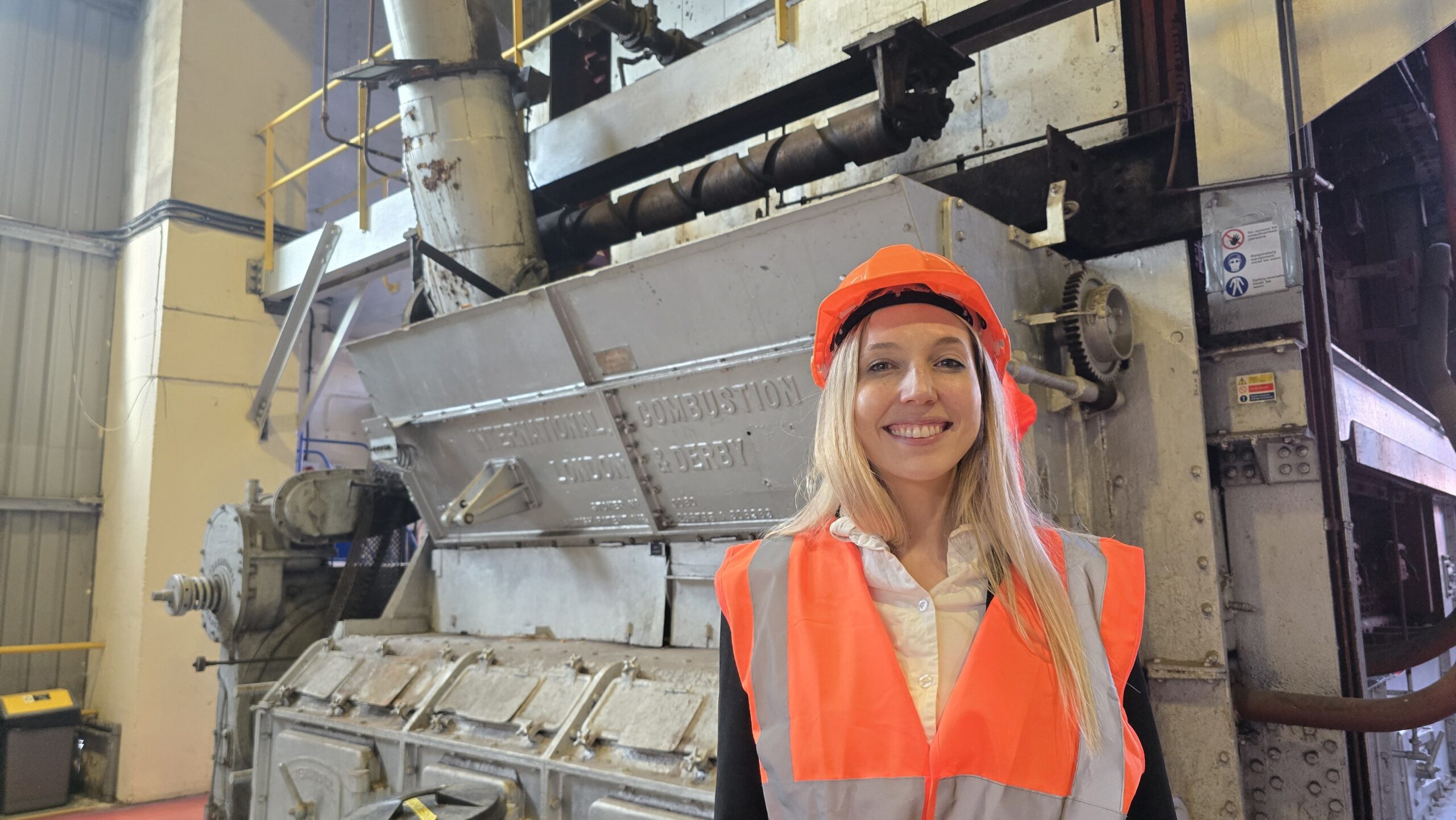
Thousands more homes and businesses across Nottingham could get access to cheaper energy under plans to expand a system that allows the city to generate its own power.
Nottingham’s district heat network, which is the oldest and largest in the country, is currently powered by the burning of 180,000 tonnes of household waste at the Eastcroft Incinerator.


There are now hopes to boost the network’s capacity by potentially using the River Trent or Nottingham Canal.

Cllr Sam Lux (Lab), Nottingham City Council’s lead member for climate and energy, said this could help safeguard the city’s residents and businesses from extremely volatile energy prices, which are surging due to several conflicts.
“We know we need to invest in the network one way or the other because we want to optimise the way it functions now to serve existing customers, but we also want to see it reach its full potential and expand to reach more customers, both residents and businesses,” she said.

“So what we are doing is essentially understanding our options in terms of where investment comes from. It could be the council invests or the market, or a combination.
“More people and businesses will ultimately be connected to the district heating network, and that means we are growing our own energy in Nottingham, for Nottingham people, so those people who are connected will be protected compared to people who are relying on foreign imports of gas.

“It is another step towards improved energy security. We want to make sure people are protected as far as possible from those volatile energy markets internationally.”
Nottingham’s network, which consists of 90km of pipes that run underneath the city centre and St Ann’s, dates back to the 1970s.
The original heating network was established as a joint venture between British Coal and the Nottingham Corporation in the early 1970s.
In 1995, upon the collapse of British Coal, it was transferred to Nottingham City Council, where it began operating as an arm’s-length management company called EnviroEnergy (Nottingham) Ltd.

The council assumed full control of the network in 2022, and today it provides heating and hot water for 5,000 homes and more than 100 businesses across the city, with energy created from the burning of household waste at the Eastcroft Incinerator.
Heat energy comes from the incineration of waste, which creates a supply of superheated high-pressure steam used by the London Road Heat Station to heat and supply hot water to homes and businesses in the city.
• Nottingham City Council extends lease of land near Eastcroft Depot
Some of the waste also comes from Gedling, Broxtowe and Rushcliffe.
Just 3% of all domestic energy comes from district heating networks, and the Labour government wants to increase this to 20 per cent by 2050 under its plans to move towards more sustainable energy.
The Government has already been investing in new heat networks across the country, and most recently announced it would be giving Hull City Council a £27 million loan to help fund a new, low-carbon underground heating system.

In February, the Department for Energy Security and Net Zero (DESNZ) published an extensive report detailing potential future options for new heat zones across the city, with Nottingham already ahead of the game with its own existing network.
A total of 12 so-called “heat network zones” have been identified in Nottingham, with two of these considered strategic zones, and could therefore receive investment first.
The report estimates the capital expenditure to link up all buildings across the 12 zones would be approximately £1.9 billion, with initial zone opportunities – including the main ones in the city – amounting to around £650 million.

A new heat station, required to boost capacity, would also cost an estimated £40 to £45 million.
Some of the main sites that could easily be linked up to the pipe network are the Broadmarsh area, where new homes are planned, as well as the relatively new Trent Basin estate in the Waterside regeneration zone.
Ian Vernalls, programme director of the district heat network, said the network could more than double its output to allow for the expansion by using pumps that draw natural heat from the River Trent or Nottingham Canal.
Cllr Lux said the council would soon be going out to the market to understand what organisations in the private sector might be interested in partnering with the council to move its plans forward.
Businesses could opt to move to the city to set up their operations with cheaper energy – similar to Iceland – where some aluminium manufacturers have chosen to move to use its cheap, home-grown energy generated through hydro and geothermal means.
“It will be a huge amount of money needed to invest in the heat network, but we think the benefits are absolutely huge and outweigh those costs ultimately,” she added.
The council’s senior members are expected to approve the next steps at a meeting on Tuesday, April 21.
Documents show the council intends to start exploring its options with the market from May 2026.
Despite Cllr Lux hoping for a partnership, the documents reveal that a transfer of the system and its assets could be on the cards within 18 months, “should this be confirmed as the best way to proceed.”
