
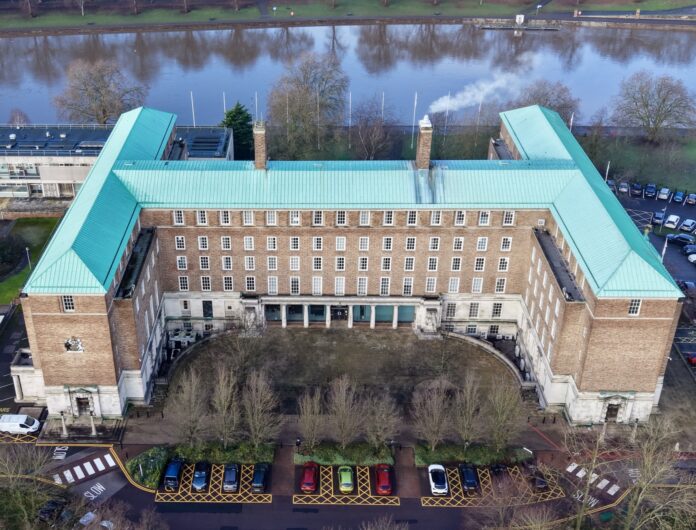
Nottinghamshire County Council says it will not need its reserves cash to balance its budget next year following extra money from the government.
In January, the Reform-led authority announced it would be using £4.2 million of its reserves to set a balanced budget in the 2026/27 financial year.
All councils hold cash reserves for times of need, allowing them to better respond to uncertainty around future government funding and increasing demand and costs in adult and children’s services.
The county council currently has £36 million in spare money — not allocated for other things — in its reserves. It is from this pot that the £4.2 million would have been drawn to balance next year’s budget.
But the authority has ended up with an extra £4.3 million from Westminster following its final local government settlement, announced on 9 February.


This cash boost was part of a large grant from the government after changes to business rates and means the Reform council will not need to call on reserves to balance its budget for the next financial year.
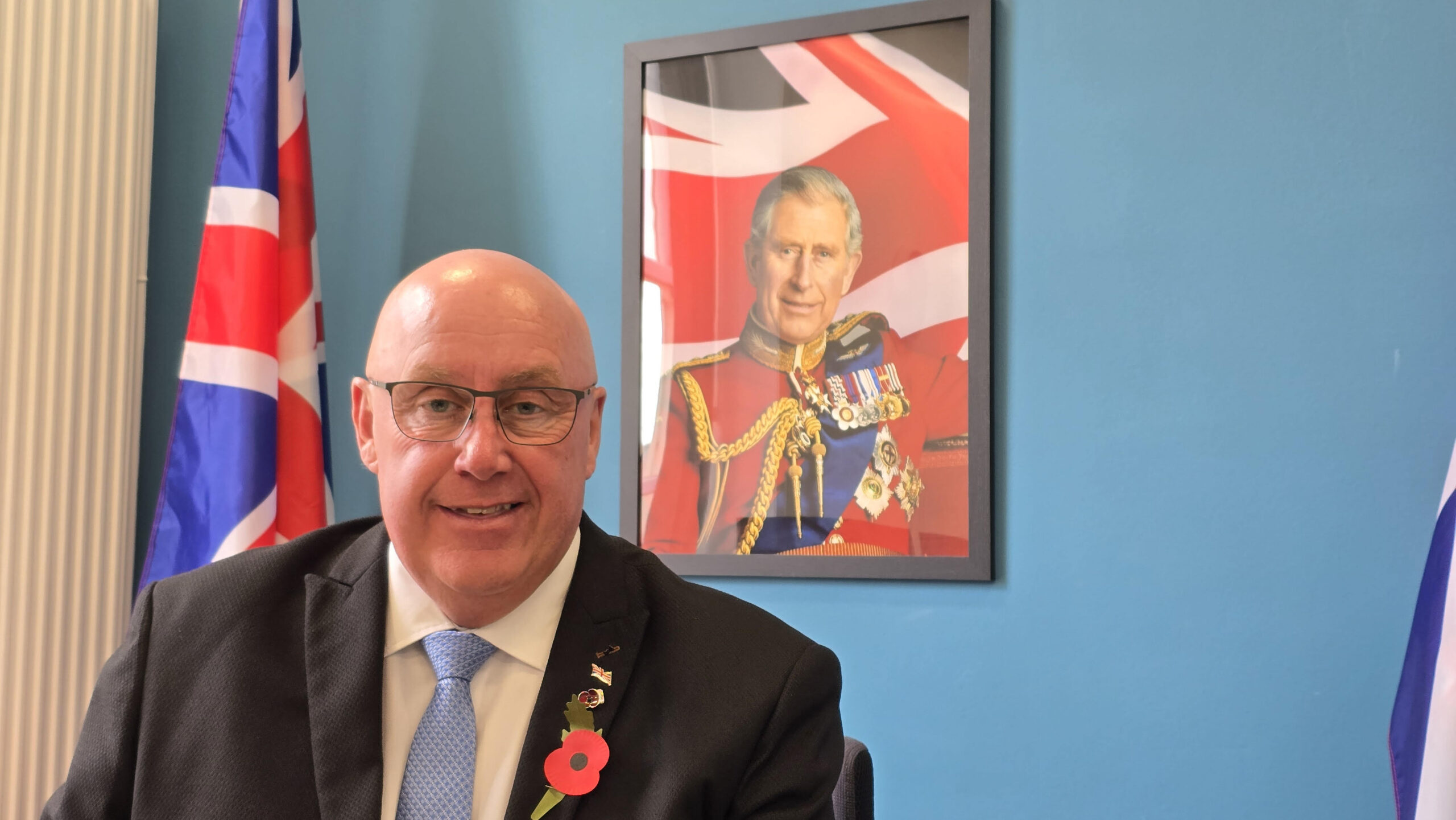
Nottinghamshire County Council’s entire budget is over £880 million, and 7.5 per cent would be more than £65 million in reserves. It actually has just over half of this in its reserves.
The Local Government Association (LGA) says councils often come under pressure to use reserves to plug ongoing budget gaps, “but using reserves is not the solution to the financial pressures councils are facing”.
Reform recently announced the lowest council tax rise in a decade for Nottinghamshire residents, at 3.99 per cent.
By 2027/28, the council is hoping it will have a £14.3 million surplus in its budget, rising to £31.7 million in 2028/29.
This is subject to Reform’s multimillion-pound efficiencies programme, which began in June 2025, being successful.
The authority has so far identified £44.2 million in “efficiencies” across the council and its services.
So far, little detail has been given about where these efficiencies are coming from, except for the reduction in agency staff, which has resulted in savings of £1.6 million.
