

Opening submissions were delivered today, 24 February, at the Nottingham attacks public inquiry, with statements from the bereaved families and a number of organisations whose roles will be examined over the coming months.
The inquiry is investigating the events leading up to 13 June 2023, when Barnaby Webber and Grace O’Malley-Kumar were fatally stabbed on Ilkeston Road and Ian Coates was fatally attacked on Magdala Road. The attacker then used Mr Coates’ van to drive into pedestrians in the city centre, seriously injuring Wayne Birkett and Sharon Miller and injuring Marcin Gawronski. Valdo Calocane later pleaded guilty to three counts of manslaughter by reason of diminished responsibility and three counts of attempted murder. In January 2024 he was made subject to a hospital order with restrictions under sections 37 and 41 of the Mental Health Act 1983.

The families’ legal representatives opened by setting out the profound and lasting impact of the attacks on parents, siblings and survivors. They described the killings as the culmination of what they characterised as longstanding structural, systemic and individual failures, particularly in relation to the management of serious mental illness and risk to the public. Their submissions referred to previous inquiries into homicides linked to mental health, including the 1994 inquiry into the care and treatment of Christopher Clunis, arguing that lessons identified decades ago around risk assessment, information sharing, discharge planning and supervision in the community had not been fully embedded in practice.
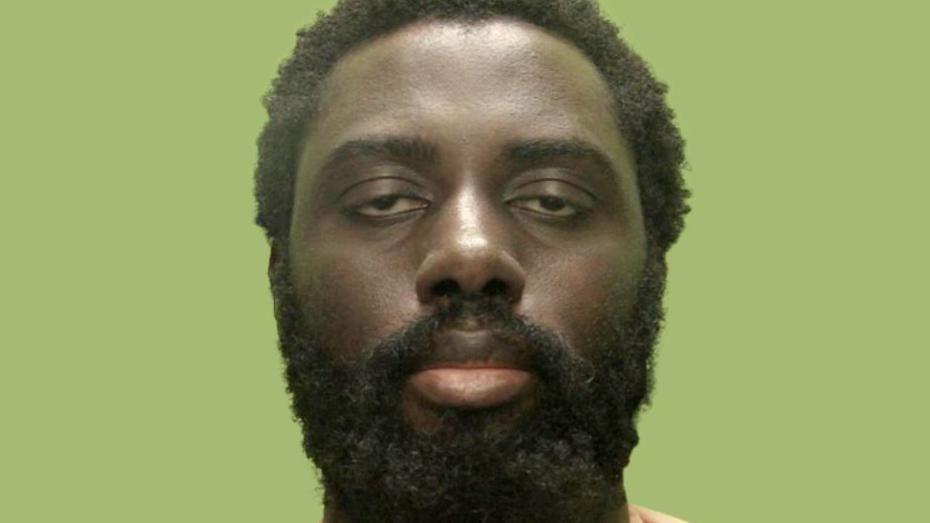
A series of overarching questions were posed for the inquiry to consider, including whether there were predictable flaws in healthcare and criminal justice responses to Calocane’s deteriorating mental health from at least May 2020 onwards; whether the emergency response on 13 June 2023 was adequately managed and co-ordinated; and whether subsequent investigative and prosecutorial decisions sufficiently scrutinised issues relating to mental health and culpability. Concerns were also raised about transparency and the treatment of bereaved families in the aftermath of the attacks.

On behalf of Nottinghamshire Healthcare NHS Foundation Trust, an apology was offered to the victims and their families. The Trust acknowledged that in the years before June 2023 there were opportunities which might have been acted upon differently, and accepted that its engagement with families could and should have been better. It outlined its role as a provider of mental health and community services across Nottingham and Nottinghamshire, serving a population of around 1.1 million, and explained that it operates within a national system in which strategic direction and commissioning arrangements are set at national and regional level.


NHS England also extended condolences and acknowledged that the system, including the NHS, had got aspects of care wrong prior to the attacks. It set out its statutory role in overseeing the provision and commissioning of NHS services in England, and confirmed that it has provided corporate and individual witness statements to the inquiry. It stated that it is committed to learning lessons from this case and from independent investigations commissioned after the attacks.
The Department of Health and Social Care expressed sympathy to the families and recognised that there were failures in the provision of healthcare to Calocane. It accepted that he had not been provided with sufficiently assertive mental health services despite previous episodes of acute psychosis and periods of not taking prescribed medication, and that the views of his family were not adequately taken into account. The Department said it is ultimately accountable for the performance of the NHS system and outlined steps taken since the attacks, including commissioning a special review by the Care Quality Commission into Nottinghamshire Healthcare NHS Foundation Trust and monitoring progress against recommendations.
Nottinghamshire Police set out its position in relation to Calocane’s prior interactions with law enforcement. The force stated its provisional view that officers did their reasonable best in managing earlier encounters between May 2020 and August 2022. However, it accepted there was a serious systemic operational failure in not executing a warrant issued by Nottingham Magistrates’ Court in September 2022 for Calocane’s arrest after he failed to appear in relation to a charge of assaulting an emergency worker. A senior officer offered an unreserved apology for that failure. The force also described the emergency response on 13 June 2023 and stated that it is committed to assisting the inquiry fully.
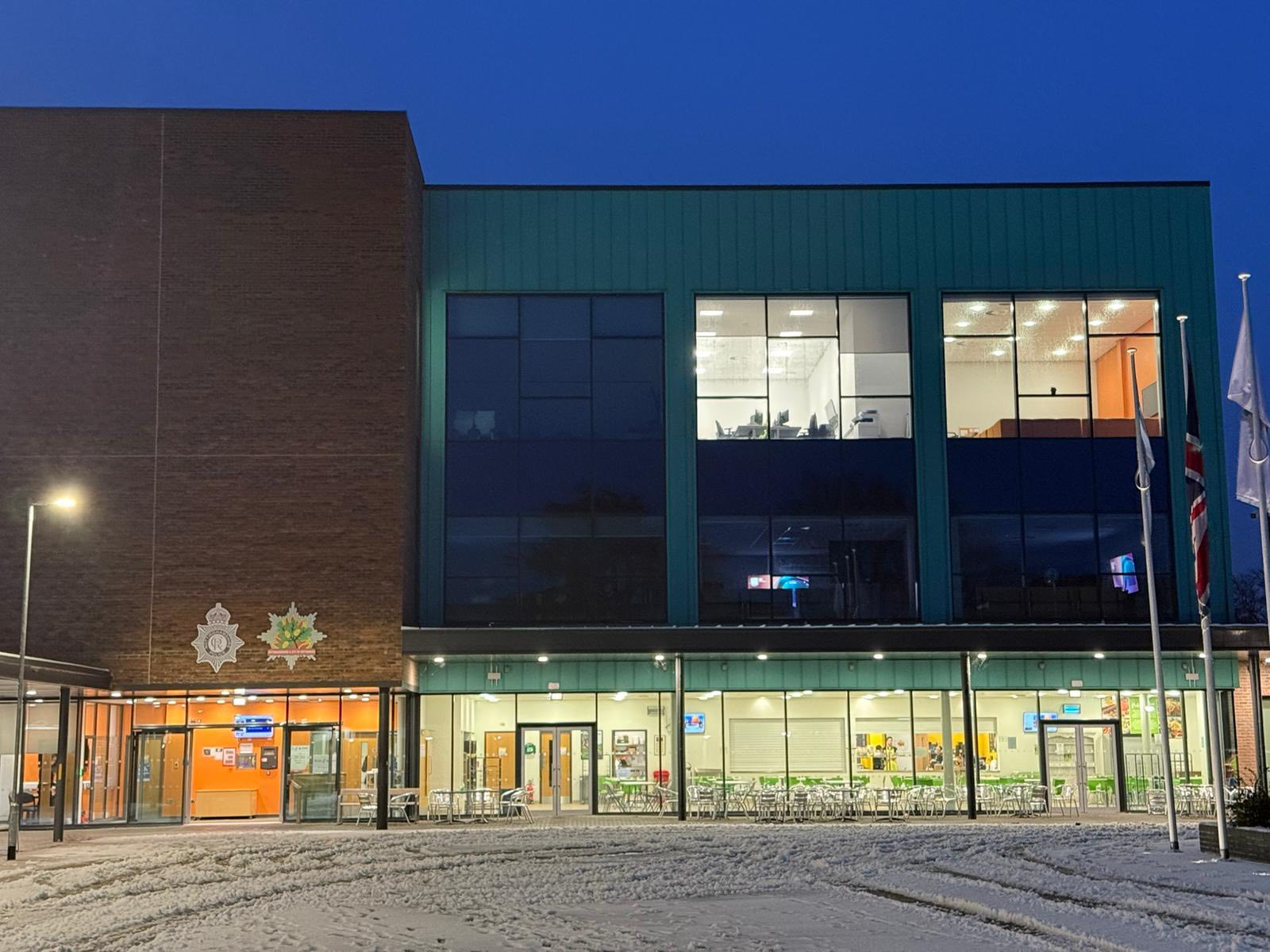
Leicestershire Police addressed its involvement in relation to an incident in May 2023 at a workplace in Kegworth, where two workers reported being assaulted. Its opening statement explained that officers began an investigation but did not identify at the time that Calocane had an outstanding warrant issued by Nottingham Magistrates’ Court. It confirmed that a misconduct process remains ongoing in respect of officers involved and that it will continue to support the inquiry with candour.

Nottingham City Council outlined the role of its approved mental health practitioners in conducting Mental Health Act assessments in respect of Calocane between 2020 and 2022. It provided a chronology of assessments and applications for warrants during that period, including occasions when he was detained in hospital and others when he was not. The council apologised for isolated data protection breaches that occurred following the attacks and said it is committed to learning and improvement.

The University of Nottingham addressed the dual impact of the events on its community, having lost two students while also having had prior contact with Calocane during his time as a student between 2017 and 2022. The University summarised its interactions with him, including periods of voluntary interruption of studies and contact with health services, and stated that it was not informed contemporaneously of certain significant incidents or admissions to hospital. It said it approaches the inquiry with openness and has offered ongoing wellbeing support to staff and students affected.
The Crown Prosecution Service outlined its role in charging decisions, acceptance of pleas and communications with victims and families. It emphasised that prosecutors are required to apply the evidential and public interest tests set out in the Code for Crown Prosecutors and must act in accordance with the law. The CPS stated that it will assist the inquiry in examining how decisions were made in this case and how relevant information was obtained and assessed.
The inquiry will now continue to hear detailed evidence from witnesses over the coming months, including from bereaved families, survivors and representatives of the organisations involved. Its purpose is to establish a comprehensive account of what happened, examine the actions and decisions of relevant agencies, and make recommendations aimed at reducing the risk of similar tragedies in future.
• The Nottingham Inquiry: Nottingham attacks public inquiry opens with pledge to establish full facts
