
A man has been hit with a bill for nearly £27,000 for social care provided to his deceased sister, despite the fact that she died due to the failings of that care.
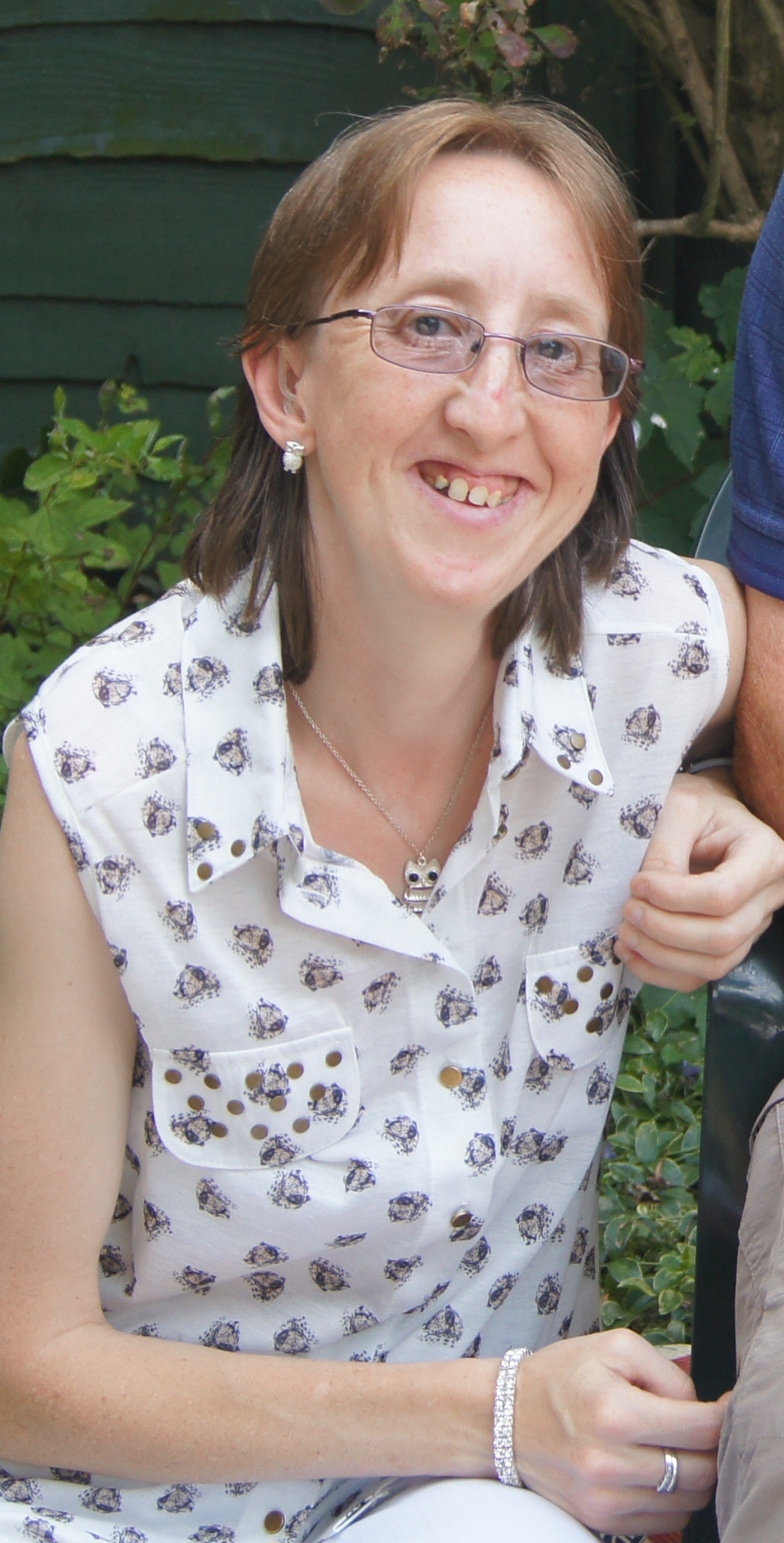
Georgina Hallam, who lived in a care home in Lincolnshire, died on 8 August 2022, aged 47, after being allowed to use the toilet on her own and harming herself when she should have been under 24/7 supervision.


At the time of her death, Georgina, from Eastwood, owed Nottinghamshire County Council £26,938.64 for eight weeks’ worth of care, at a rate of £3,367.33 per week.
Despite immediate concerns about how she had died, less than two months later Georgina’s brother, Anthony, as the executor of her estate, was invoiced for the money.
When he complained, the council agreed to review the charges, but only after Georgina’s inquest, which concluded in November 2025 and found that failings in her care had contributed to her death.
However, at the end of April, having completed the internal review, the county council told Anthony that he still owes the money, and he has now been given 28 days to resolve the matter.
He said: “I find it beyond belief. If I buy a Hoover from Argos and it doesn’t work, I take it back and get a refund. If I take my car in for the tyres to be changed and the company fails to do what I asked them to do, they don’t charge me for it.

“I’m disgusted that we’re being charged for something that caused Georgina’s death — medically negligent care resulting in a person’s death. But my feelings are irrelevant.
“I wake up in the morning and go to bed at night. Georgina isn’t afforded that ability. There were so many failings.”
Georgina, who had cerebral palsy and a number of learning difficulties, had lived independently in the family home between 2014 and 2020 after her father died.
In 2020, her mental health declined and she became involved with Nottinghamshire County Council’s Adult Social Care (ASC) team, which later led to her moving into a variety of care homes.
In January 2022, she was placed at Bradley Apartments in Grimsby, run by the private company Elysium Healthcare.
For the first couple of years of her time in care, she received free care from the council because she did not work and did not meet the earnings threshold requiring her to fund her own care.
However, shortly after she moved to Grimsby, the family home she had previously lived in was sold, supposedly at Georgina’s request, putting her above the threshold.
At the point of her death, Georgina had paid £37,500 to the council for around 11 weeks’ worth of care.
After she died, an independent review, mandatory under the Care Act 2014 when there is suspicion that an adult has died as a result of abuse or neglect and that agencies could have done more to protect the person, was commissioned.
When it was published in January 2025, it found that the ASC team should have conducted a Mental Capacity Assessment when Georgina decided she wanted to sell the home, but they failed to do so.
The review stated: “The complexity and timing of some decisions, particularly significant financial transactions, had potentially serious consequences, including the disposal of her home.
“These should have been decision-specific, formal Mental Capacity Act written assessments. Without this, professionals could not evidence or reasonably determine whether Georgina had the mental capacity to make the decision.”
Anthony says Georgina’s reluctance to pay for her care — her first payment to the council was made in mid-June, more than two and a half months after she became eligible to pay — supports the suggestion that she did not realise the implications of selling the property.
The review supported this idea: “Georgina needed to understand that she might potentially be making herself homeless and, as such, might not be rehoused by the local authority, and that she would be expected to contribute towards or fully fund her placement once the sale went through.
“Records show the acute distress it caused Georgina when she was presented with a lump-sum bill towards her care costs and realised the financial implications of the decision. ASC did not give Georgina all the information she required to consider all the factors and the reasonably foreseeable implications of the house being sold.
“ASC had worked with Georgina to try to maintain her independence. It was therefore illogical that they would support her in selling her share of the bungalow, as the Care Act 2014 emphasises the importance of supporting individuals to remain at home and live independently for as long as possible.”
Anthony, who owned 50% of the bungalow, sold his share too, but says he was following the direction of Georgina’s social worker and that Georgina was adamant it should be done.
Now, as well as cancelling the outstanding charges, Anthony also wants to be reimbursed for costs associated with selling the house.
Staff looking after Georgina on the night of her death were meant to work two-hour shifts due to the intensity of constant one-to-one observations, but the assistant in charge at the time had been on duty for three hours.
The worker, who was an agency staff member recruited due to low staffing levels, provided Georgina with a sanitary product she requested, which she then swallowed when he was not looking.
This was despite the fact that she had done exactly the same thing with the same sanitary product five months earlier in an attempt at self-harm.
Elysium Healthcare paid Anthony £23,000 in an out-of-court settlement long before the inquest.
However, Nottinghamshire County Council had already paid Elysium for Georgina’s care and is now trying to recover those funds.
A spokesperson for Nottinghamshire County Council said: “We wish to express our sincere condolences following Georgina Hallam’s death and for the distress caused to her family.
“Georgina’s death was the subject of an internal review, a Safeguarding Adult Review, and a Coroner’s inquest, all of which identified areas where improvements were required. The council has carefully considered these findings and taken key steps to strengthen and improve its services since this tragic incident occurred nearly four years ago.
“The council’s responsibilities in this case included commissioning care and carrying out a financial assessment in line with the Care Act 2014. Decisions about property transactions are private legal matters and are not determined by the council.”
