Local parish councils, unlike every other tier of local government, have no limit on how much they can raise taxes each year.
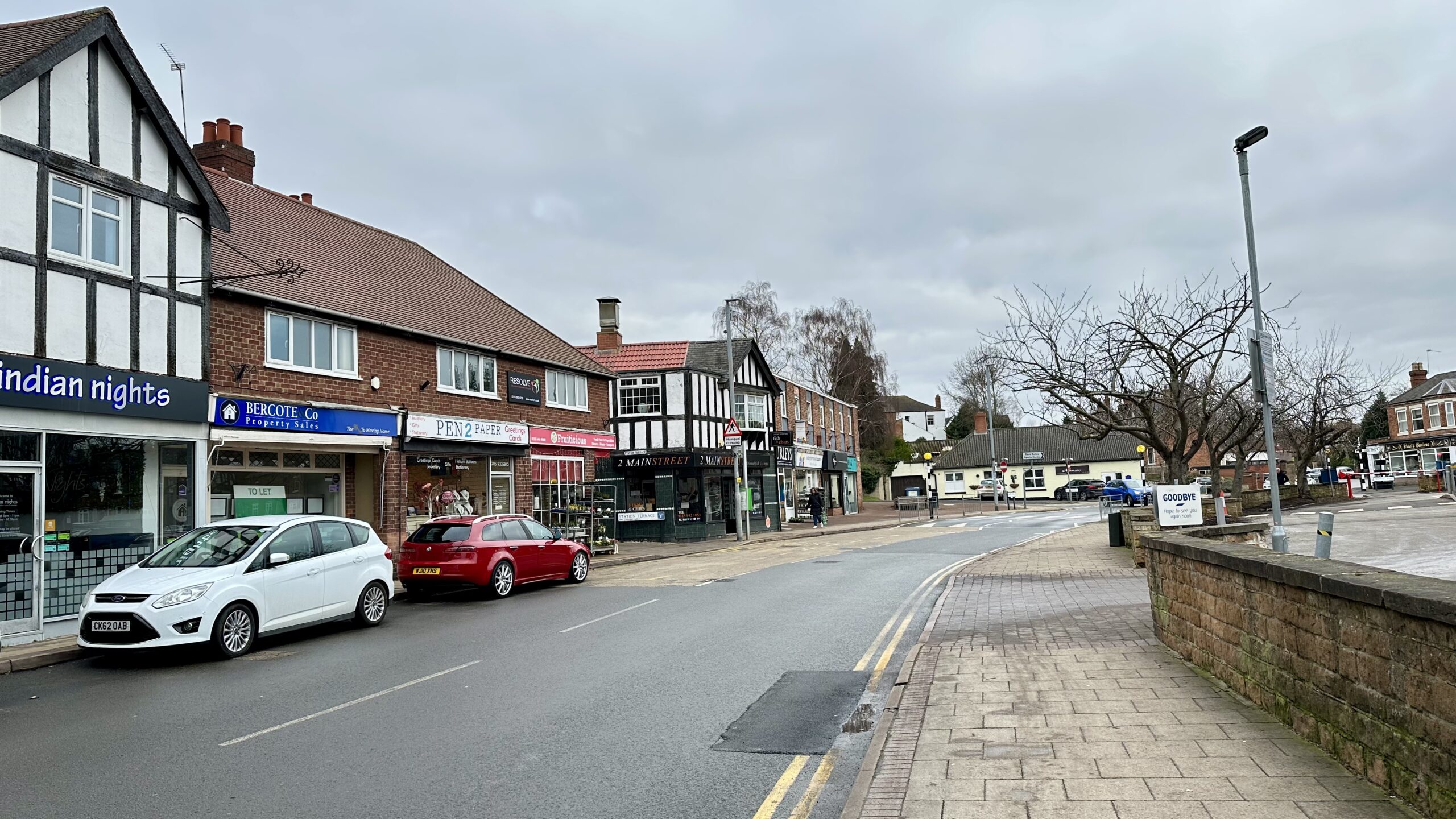
The Rushcliffe parish’s Band D charge is up £215.36 (222.8%) since 2022, to £312.00 – the eighth-largest cash rise in England – and is now almost double Rushcliffe Borough Council’s £161.77.


Parish council tax across England has doubled since 2013–14, found new research by the Adam Smith Institute (ASI), this year it increased by 8.2%, the second-highest increase on record.
English local councils are the only tier of local government able to raise a council tax precept subject to no statutory ceiling or check.
New devolution proposals, which give local parish councils even more responsibility, will only make this worse.
To make matters worse, this is taxation without representation: ASI’s survey of local councils found that 69% had co-opted councillors, and 24% had a voting majority of co-opted, and therefore unelected, councillors.
The smallest parish councils are also the most inefficient, spending much of their income on administrative costs: Coulston Parish Council in Wiltshire spent 72% of its modest income on a part-time clerk position.
The ASI, one of the UK’s leading think tanks, recommends limiting how much parish taxes can be increased each year, especially for councils ruled by unelected councillors; reviewing councils’ expenses more thoroughly; and grouping smaller councils to make them more efficient.
Local parish councils, unlike every other tier of local government, have no limit on how much they can raise taxes each year; they also have minimal checks on how the tax is spent. As the Government pushes forward with its devolution programme, more responsibilities will be passed on to these uncapped and largely unregulated authorities in the months and years ahead.
While council tax rises in Wandsworth have been making headlines this week, rural England tells a similar – but overlooked – story. The average Band D parish precept grew by 8.2% in 2026, its second-highest-ever increase. By contrast, the three-year average increase in council tax in England’s upper-tier county councils, where the annual increase in local taxation is capped at 5%, was 4.86% per year – half as much.
The worst offenders – England’s greediest councils – raised taxes by shocking amounts. In 2026, parish council tax in Radcliffe-on-Trent increased by 179%, to £312.00 for a Band D property. In Alford, parish council tax rose by 64% to a Band D rate of £353.68. In both of these cases, parish council tax increased to a higher level than that of the district-level authorities, the paper finds. In Preston Brook, parish tax increased sixfold in just the last four years.
The justification offered for the lack of a precept-increase cap is that local councils are close to their residents and are therefore democratically accountable to them. However, local council elections are largely uncompetitive: in 2026, 67% of seats up for election were won uncontested, and in 24% of councils surveyed for this paper, a majority of members are unelected co-optees.
Parish councils also face little scrutiny over how taxpayers’ money is spent, leading to cases of staggering inefficiency. The paper found that the smallest councils spent a median of around 30% of their income on staff costs alone. Coulston Parish Council in Wiltshire, a very small rural council, spent 72% of its modest income on a part-time clerk position. In these and other cases, the cost of simply being a council consumes much of what residents pay in, leaving little left over for services residents actually see.
Unlike other levels of government, parish councils – even those that represent cities with thousands of people and million-pound budgets – are not subject to checks that taxpayers’ money is being well spent, the paper finds. Local council financial auditing, at every level, simply tests whether accounting paperwork is in order. No local council, at any spending level, faces any external scrutiny of whether its decisions represent good value for money, a test every principal authority must pass.
The ASI recommends imposing a local parish tax rise cap similar to that imposed on larger authorities; this cap would be scrapped for parishes that have a strong democratic mandate, but tax rises could still be challenged by local residents if deemed too drastic. The cap would not constrain councils from imposing one-off increases made necessary by an increase in responsibilities, such as those caused by devolution.
The paper also proposes that principal authorities use Community Governance Reviews (CGRs) to group parish councils that fall below a minimum viable operating scale under a common parish council. This would preserve each parish’s local identity while making better use of taxpayers’ money by letting smaller parishes share operating expenses.
Lastly, the paper argues for stronger value-for-money checks for larger parish councils. This can be achieved by adding a proportionate value-for-money commentary to the audit of councils with an income of over £200,000 – a straightforward addition to the audits to which medium and large parish councils are already subject.
The Lord Fuller OBE, former deputy leader of the Conservative Party in Local Government, said:
“The government has awarded itself powers to abolish city councils – including some with large populations, such as Norwich, Peterborough, Oxford and Exeter – and convert them into parish or town councils in a wide-ranging local government reorganisation.
“The lesson from Salisbury in a previous round of local government reorganisation is that these new historic places let rip with unconstrained council taxes greater than ever before, all whilst not addressing the things that council tax is meant to pay for – like housing, homelessness, street cleaning and planning. Local residents are being milked by ever-higher taxes without any constraints to keep the council tax within affordable limits.
“I laid amendments in the devolution bill to protect residents from unlimited tax rises for parishes with a precept of more than £1 million or a population of more than 50,000. The government rejected this approach and instead introduced new taxes, fees, charges and levies that mean that local taxation has become untethered to reality and to residents’ ability to pay.”
James Hodgkinson, Next Generation Fellow at the Adam Smith Institute, said:
“Local councils do vital work, and in my own experience as a parish councillor, I have witnessed the positive impacts they can have on the communities they serve. But they are the only level of English local government able to hike taxes with no restrictions, no referendum and no external checks on how well the money is spent.
“With local councils set to gain more power and raise ever-higher revenues as services are devolved down the pyramid of government, it is only right that checks on how they tax and spend grow with them.
“These proposals do not seek to clip the wings of good governance. Instead, they aim to establish a framework of accountability and transparency that will foster trust. Residents must have confidence in a tier of government that is likely to play a greater role across our countryside, towns and cities.”
Sir Ashley Fox, Conservative MP for Bridgwater, said:
“Bridgwater residents have been badly let down. Liberal Democrat-run Somerset Council and Labour-run Bridgwater Town Council have worked hand in hand to land local taxpayers with a bad deal.
“Having declared a financial emergency, Somerset has introduced above-inflation council tax increases while transferring services away, and Bridgwater has snapped up those services and sent the bill straight back to residents. The result is a Town Council charge that has rocketed from £91.31 to £431.63 in a short period.
“Residents are paying substantially more for the same services, while many would argue they are getting a worse service and poorer value for money. That simply isn’t good enough.
“I have consistently opposed this cash grab from hardworking families and pensioners. People on fixed incomes cannot simply increase their income because the council decides it wants more money, but they have no choice about paying the bill.
“I welcome greater scrutiny of these huge increases and, crucially, proper scrutiny of whether taxpayers are getting value for money. Ultimately, the people of Bridgwater will cast their judgement at the ballot box on whether they are satisfied with the services they receive and the enormous increase they have been forced to pay for them.”
