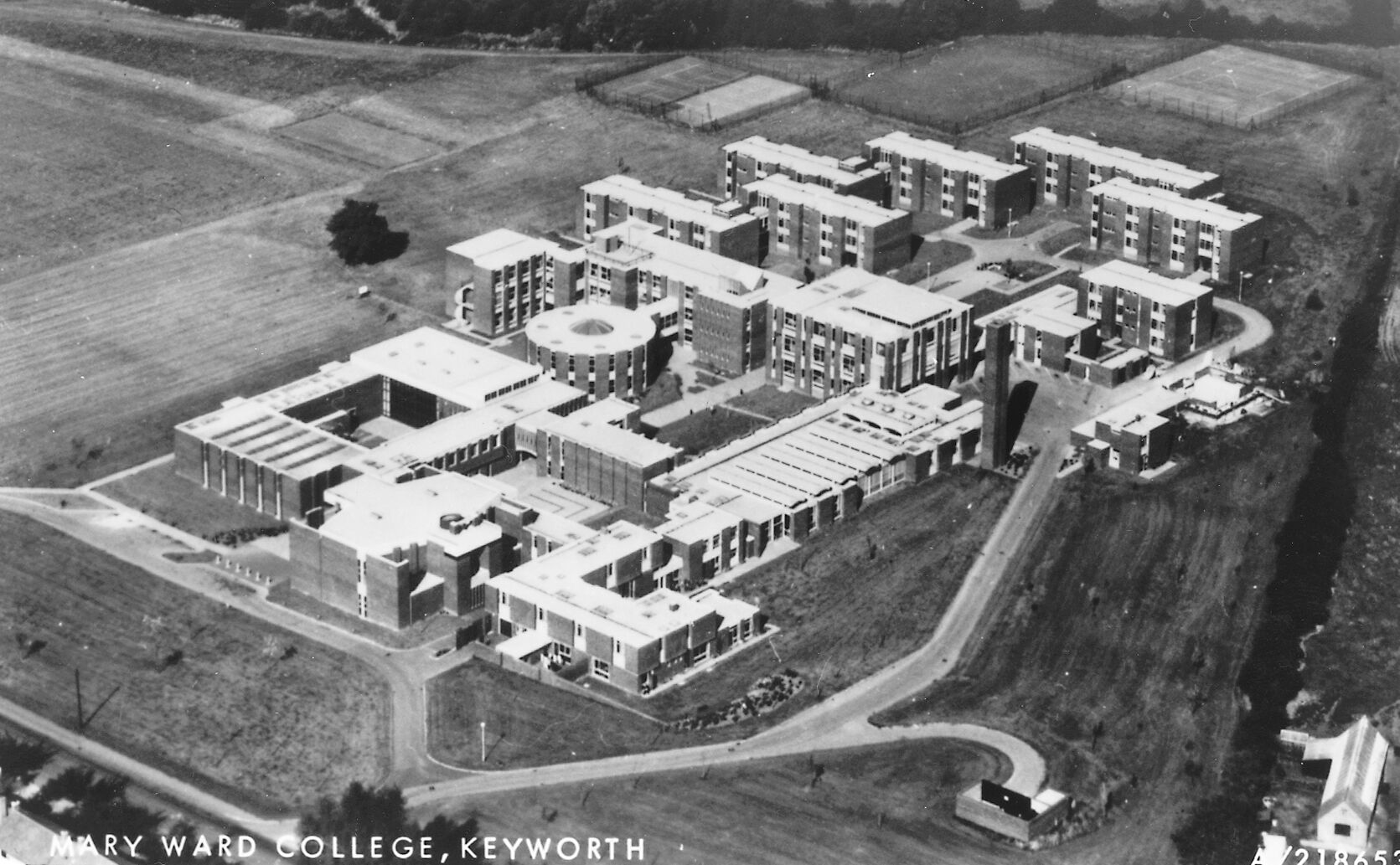
The British Geological Survey is marking 50 years at its headquarters in Keyworth, where around 500 staff are now based.
The first 30 employees moved from offices in London and Leeds in October 1976, following the purchase of the former Mary Ward College teacher training site.



The organisation, then known as the Institute of Geological Sciences, completed the purchase on 1 September 1976 after years of planning and site visits. It was renamed the British Geological Survey (BGS) in 1984.
To mark the anniversary, retired colleagues were welcomed back to launch a temporary exhibition of archive photographs documenting five decades at the Nottinghamshire site.
Among the changes during that time was the opening of the National Geological Repository in 1985. It holds the UK’s most comprehensive collection of geological materials, including more than 600 kilometres of drillcore and 16 million specimens from the UK and its continental shelf.

The repository was extended in 2010, when high-density mobile racking was installed to store drillcore.
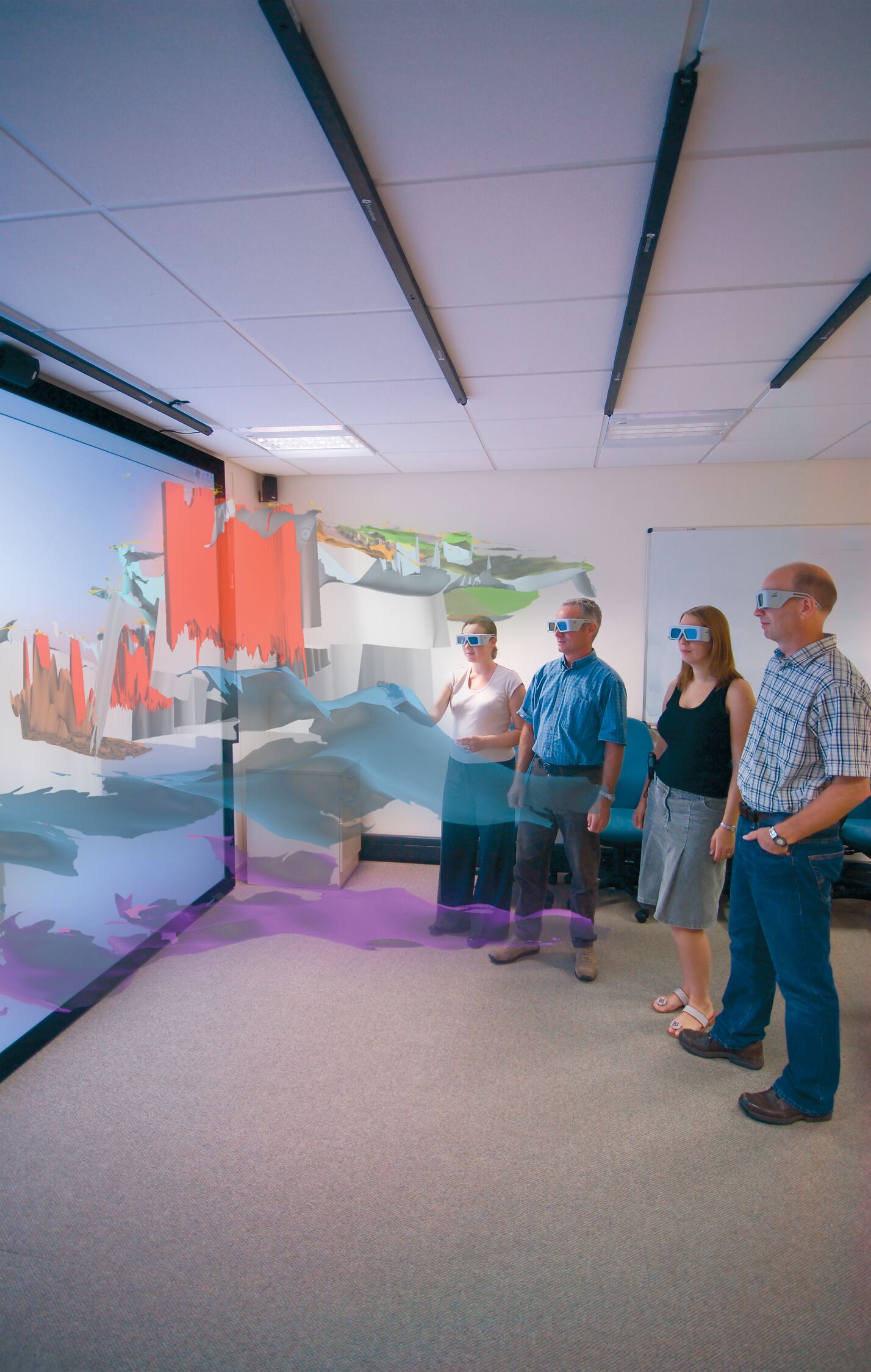
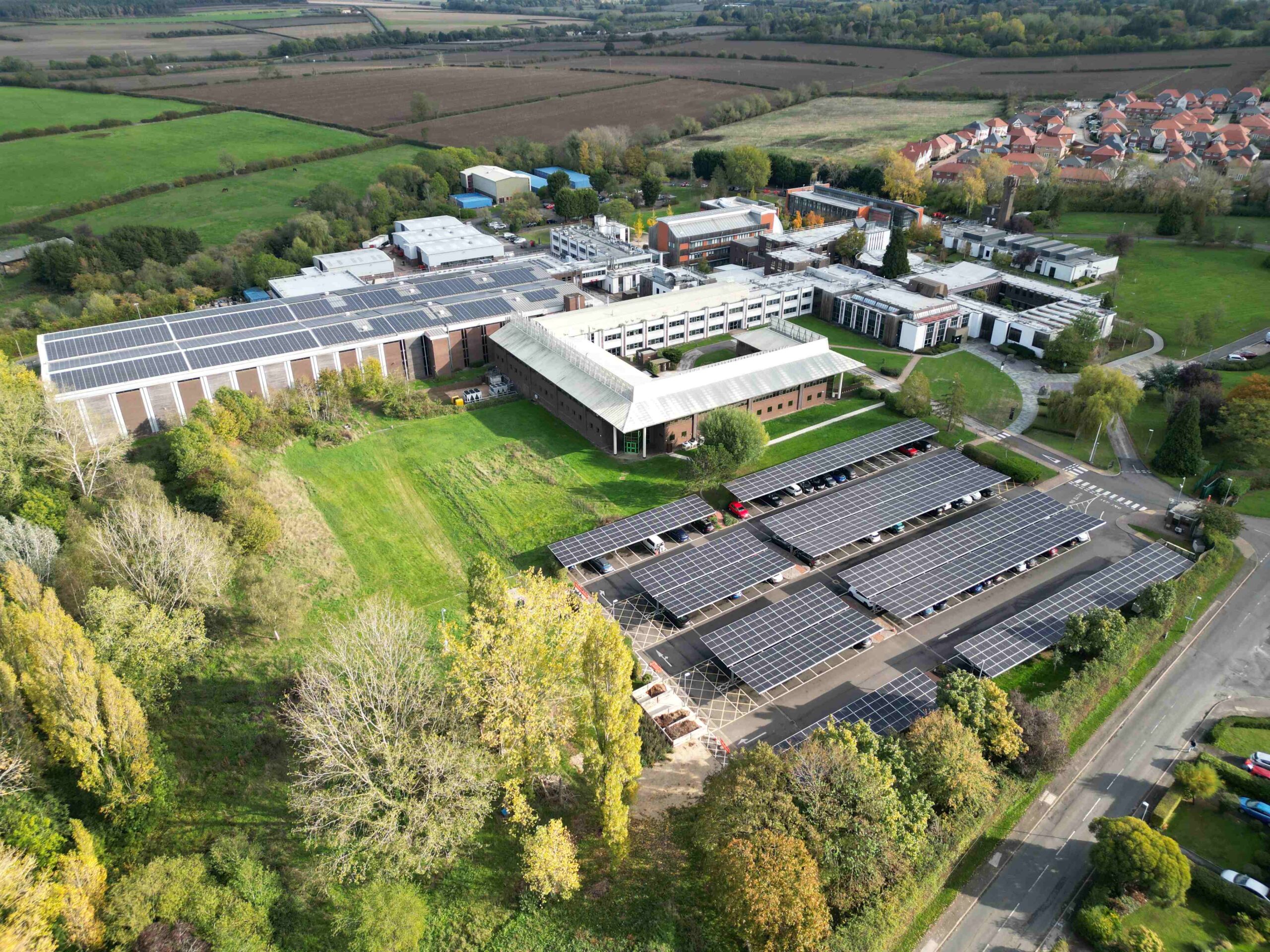
BGS installed its first 3D visualisation facility at Keyworth in 2005 to help researchers understand geological formations. More recently, over 1,700 solar panels were installed in a carport array in the main car park during 2021 and 2022.
The headquarters has also hosted royal visitors and broadcasters. The Princess Royal visited the cartography team in 1997 and returned in 2009 to officially open the William Smith Building.
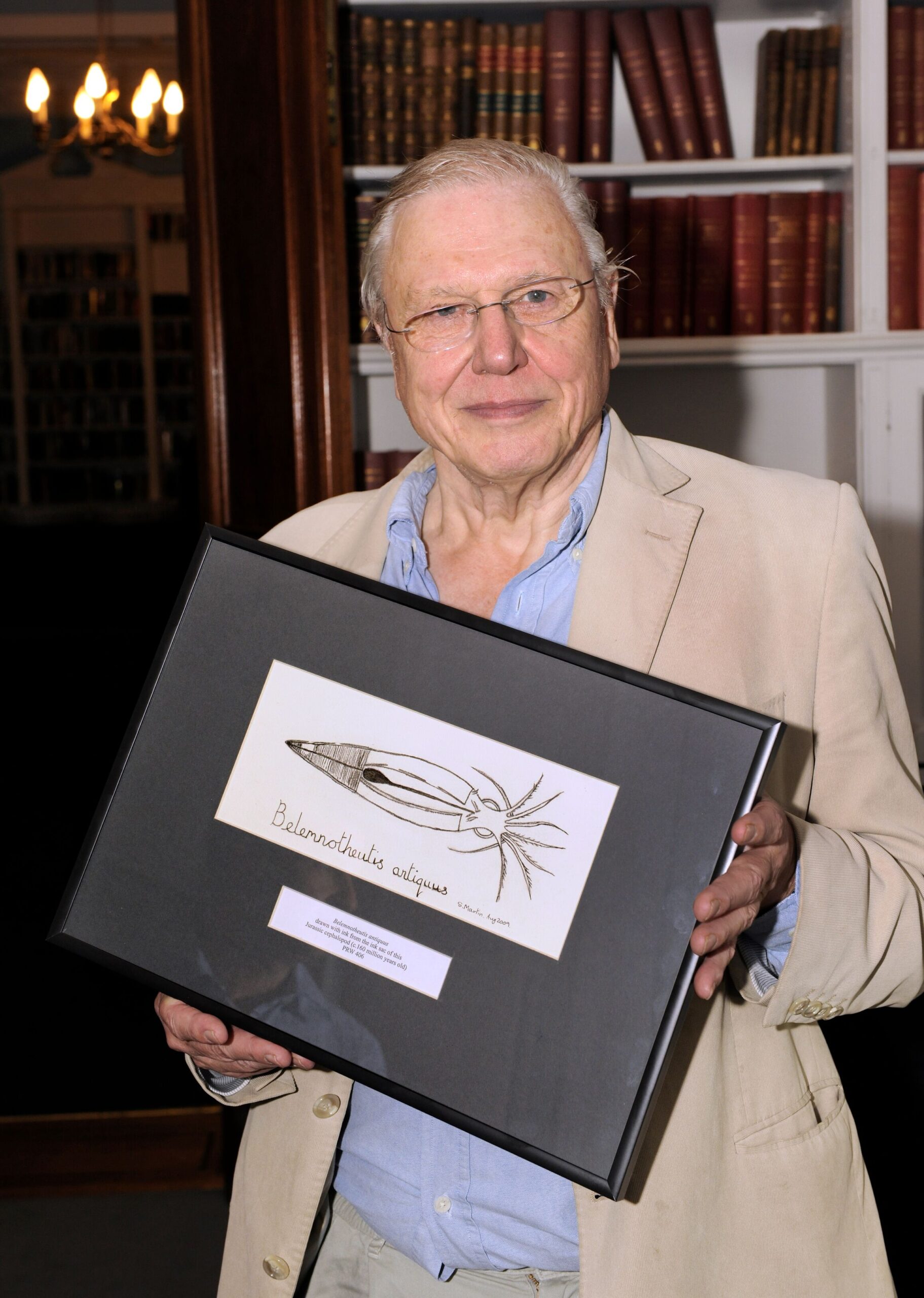
Alan Titchmarsh visited in 2004 while filming the BBC series British Isles: A Natural History. Sir David Attenborough was a guest speaker at celebrations marking BGS’s 175th anniversary in 2010.
For some staff, connections with the site predate its use by the geological survey.
Nichola McCaugherty, a BGS enquiries assistant who grew up in Keyworth, recalled seeing the illuminated glass window of the former Mary Ward College chapel from Nicker Hill.
She said: “In the winter, the window would be lit up in the dark, which you could see from the road as you drove down Nicker Hill, and this was such a sight that every Sunday we would take a detour on our way home from our grandparents’ in West Bridgford, just to see it illuminated.
“At this time, I didn’t yet know that this site would become BGS and that one day I would work here.”
BGS director Dr Karen Hanghøj said: “During the half-century of BGS’s presence in Keyworth, generations of staff have undertaken research that has improved understanding of the UK’s geology and helped address challenges including natural hazards and environmental change.”
She added: “We are proud of our long connection with Keyworth and Nottinghamshire, and grateful for the support of the local community over the past five decades.”
