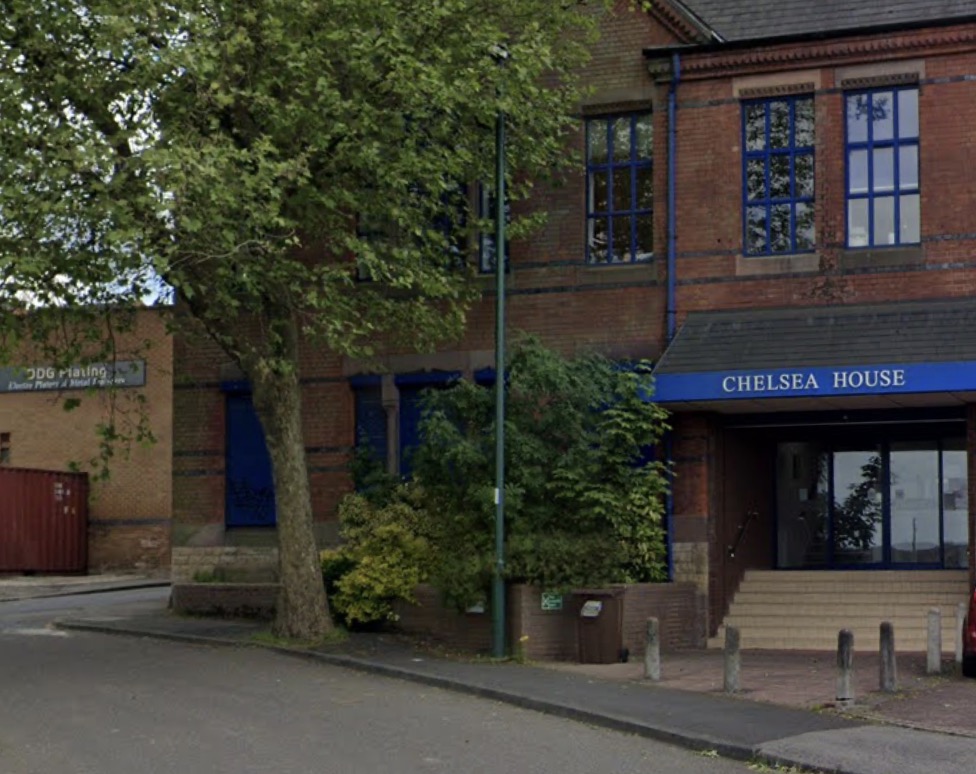
The Care Quality Commission (CQC) has rated Plus Point Care Ltd in New Basford, Nottingham as inadequate, placed it into special measures, and urgently suspended the service to keep people safe following an inspection in January.
Plus Point Care Ltd, run by a company of the same name, is a domiciliary care service providing personal care to people in their own homes. The service supported 12 people at the time of the inspection.


This was CQC’s first inspection of the service since it was registered. CQC gave notice ahead of the inspection due to the small size of the service to ensure Plus Point Care Ltd’s leaders were available to support it.
Following the inspection, to keep people safe, CQC took urgent enforcement action to suspend the company’s registration for three months until Thursday 7 May because of the serious concerns found. Inspectors engaged with the local authority to ensure the people supported by the service continued to receive the care they needed.
CQC has rated how safe, effective and well-led the service is as inadequate. How caring and responsive the service is remains unrated due to a lack of available information.
CQC identified two breaches of regulation related to safe care and treatment, and the management of the service. It has placed the service into special measures, which involve close monitoring to ensure people are safe while improvements are made. Special measures also provide a structured timeframe so services understand when they need to make improvements and what action CQC will take if this does not happen.
Greg Rielly, CQC’s deputy director of adult social care in the East Midlands, said:

“When we visited Plus Point Care Ltd, we found a service where leaders needed better oversight, as they currently lacked effective processes to ensure people were receiving safe and effective care that met their needs. This was particularly evident in how they managed unexpected absences of key members of staff.
“We were disappointed leaders didn’t provide our team with the care plans and risk assessments they requested, which meant we couldn’t be assured the right planning and risk management were in place for everyone supported by the service. We know that services need appropriate plans in place to provide care that considers individual needs and preferences.
“We also had concerns about how leaders managed the service to ensure people were kept as safe as possible. They weren’t aware of people’s individual needs, which were recorded in their medical history within the care plan. In a service that only supported 12 people, leaders should have been aware of any potential specialist requirements people had, to provide them with tailored and appropriate support.
“Inspectors found staff hadn’t completed all necessary training, including on how to safeguard people from risks of harm and abuse, administer medicines safely, and infection prevention and control. In one example, staff without the required training provided people with medicines, and there was no evidence they had been assessed as being competent to complete this task.
“While people were generally happy with the care they received and staff spoke positively about the service, the service failed to meet expected standards of care.
“We have told leaders at Plus Point Care Ltd where urgent improvements are needed. We took urgent action to suspend the service to make sure the service is safe for the people it supports.”
Inspectors found:
- While the service asked people and their relatives about their care needs prior to beginning support, this wasn’t reflected in care plans. This meant people risked receiving ineffective care that didn’t address their needs adequately.
- People told inspectors their care calls were sometimes delayed and leaders didn’t deploy staff effectively. The service didn’t keep people updated when there were changes to their visits.
- The service didn’t work closely with partner organisations to provide consistent, collaborative care. This affected people as they moved between different services and were not receiving continuity of care. The service also didn’t always share relevant and required information with the local authority when needed.
- People, their relatives, and staff felt comfortable sharing feedback with leaders and were confident it would be acted on. However, leaders didn’t have the processes in place to record when feedback was received and what action was taken.
