
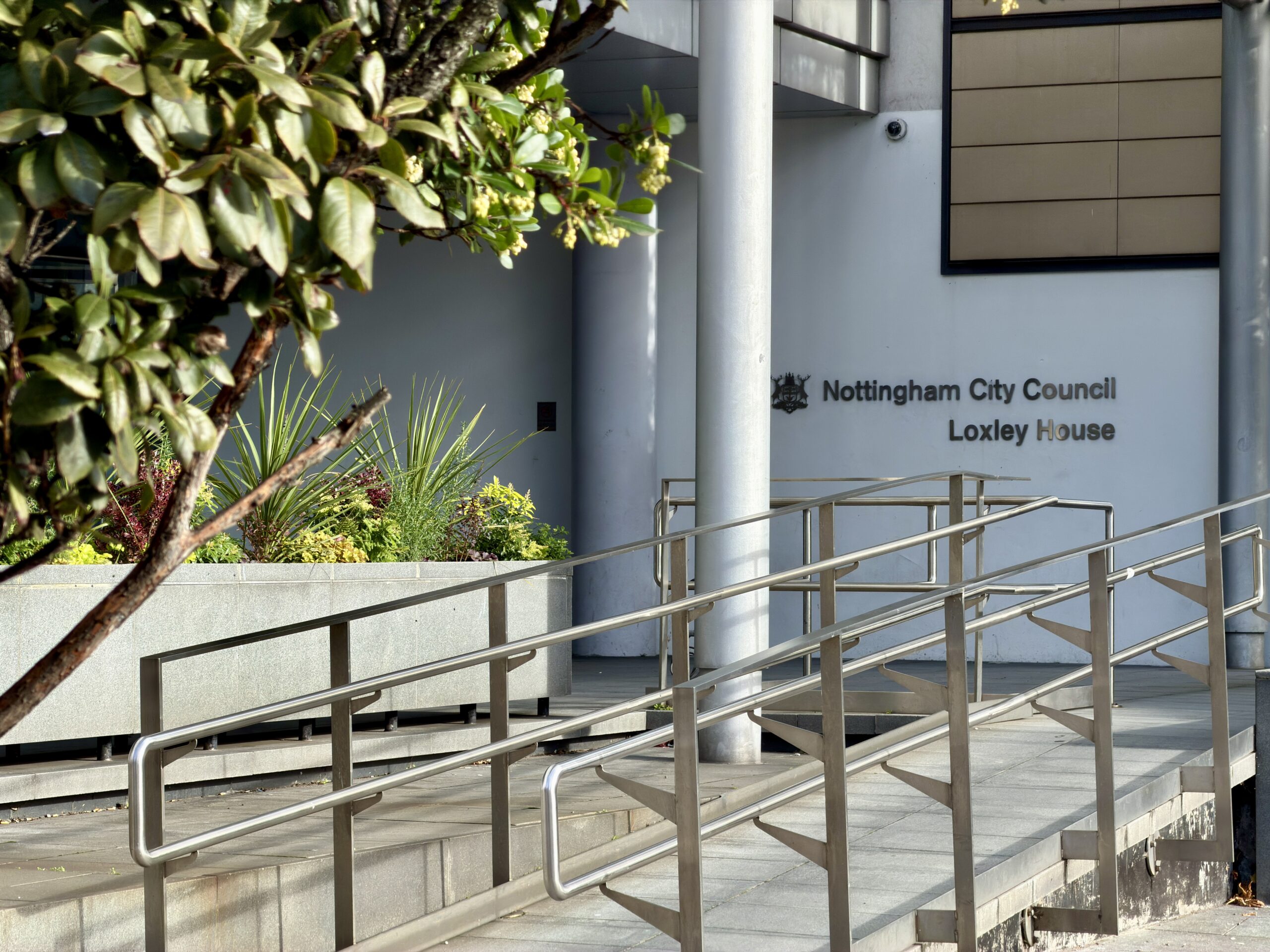
The Government has extended its intervention at Nottingham City Council but signalled a shift towards a reduced level of direct oversight, with commissioners to be replaced by ministerial envoys as the authority continues its recovery from financial and governance failures.
In a letter dated 24 March, Local Government Minister Alison McGovern confirmed that new Directions have been issued under the Local Government Act 1999 and that Sharon Kemp has been appointed as a Ministerial Envoy to support the council’s next phase of improvement. A second envoy is expected to be appointed in due course.
The move follows more than two years of Government intervention at the authority, during which commissioners were installed to oversee key functions after the council was found to have failed in its Best Value duty. That intervention came after a series of financial issues, including the collapse of Robin Hood Energy and wider concerns about governance, leadership and service delivery.
Ministers now say the council has made sufficient progress to justify scaling back the intervention, although formal oversight will remain in place. Alison McGovern said the authority is “now on a much stronger footing”, with the decision taken to extend the intervention while reducing its scope.
Under the new arrangements, ministerial envoys will act in an advisory and mentoring capacity rather than exercising the more direct powers previously held by commissioners. They will report to the Secretary of State and are expected to support improvements particularly in service delivery and continuous improvement.


A separate letter to the council’s chief executive confirms that the Government still considers Nottingham City Council to be failing to comply with its statutory Best Value duty, meaning formal intervention remains necessary. However, the council will retain responsibility for leading its own recovery, with envoys providing support and scrutiny rather than direct control.
Ahead of the final decision, the council’s leadership had indicated support for a move away from commissioner-led oversight towards a lighter-touch model based on external expertise and advisory support. In its formal response, the authority said it accepted that further assurance and targeted support were needed to sustain improvements, while acknowledging it remained at an early stage of recovery. The council also raised concerns about the ongoing cost of intervention being met by Nottingham taxpayers and suggested limits on the number of days envoys would be paid to reduce the financial impact.
The Directions require the council to establish a Continuous Improvement Committee, develop a formal improvement plan within three months, and continue work with other Nottinghamshire authorities on proposals for future unitary local government structures.
The envoys will also monitor progress and report back to ministers, with an initial update expected within six months and further reports at regular intervals. The intervention is currently set to remain in place until at least 30 September 2027, with a formal review after one year.
Costs associated with the envoys will be met by the council, with fees set at £800 per day for up to 75 days per year, alongside reasonable expenses. This means the financial burden of the ongoing intervention will continue to fall on the authority and, ultimately, local taxpayers.
In practical terms, the changes mean Nottingham residents will see a continuation of Government oversight of the council, but with a shift towards local leadership taking greater responsibility for decision-making. The reduced role of commissioners reflects progress made to date, while the continued presence of envoys indicates that ministers are not yet satisfied that improvements are fully embedded.
The Government has also indicated that further action could be taken if necessary, underlining that the council remains under close scrutiny as it works to demonstrate it can deliver sustainable improvements in services and governance.
The letters