
A £2.082 million repair programme is proposed for Nottingham’s Harvey Hadden Stadium to replace its indoor and outdoor athletics tracks and refurbish deteriorating spectator facilities.
Nottingham City Council’s Executive Board will consider the plans on 20 October, with officers warning that continued deterioration could lead to further restrictions on use and eventual partial or full closure if investment is not made.


The preferred option would retain the athletics stadium, repair the stand and associated infrastructure, and reduce seating capacity to 499 or fewer.
The expenditure is not included in the council’s approved capital programme. Executive Board is therefore being asked to recommend an amendment to Full Council, and the project could only proceed once Full Council has approved that change.
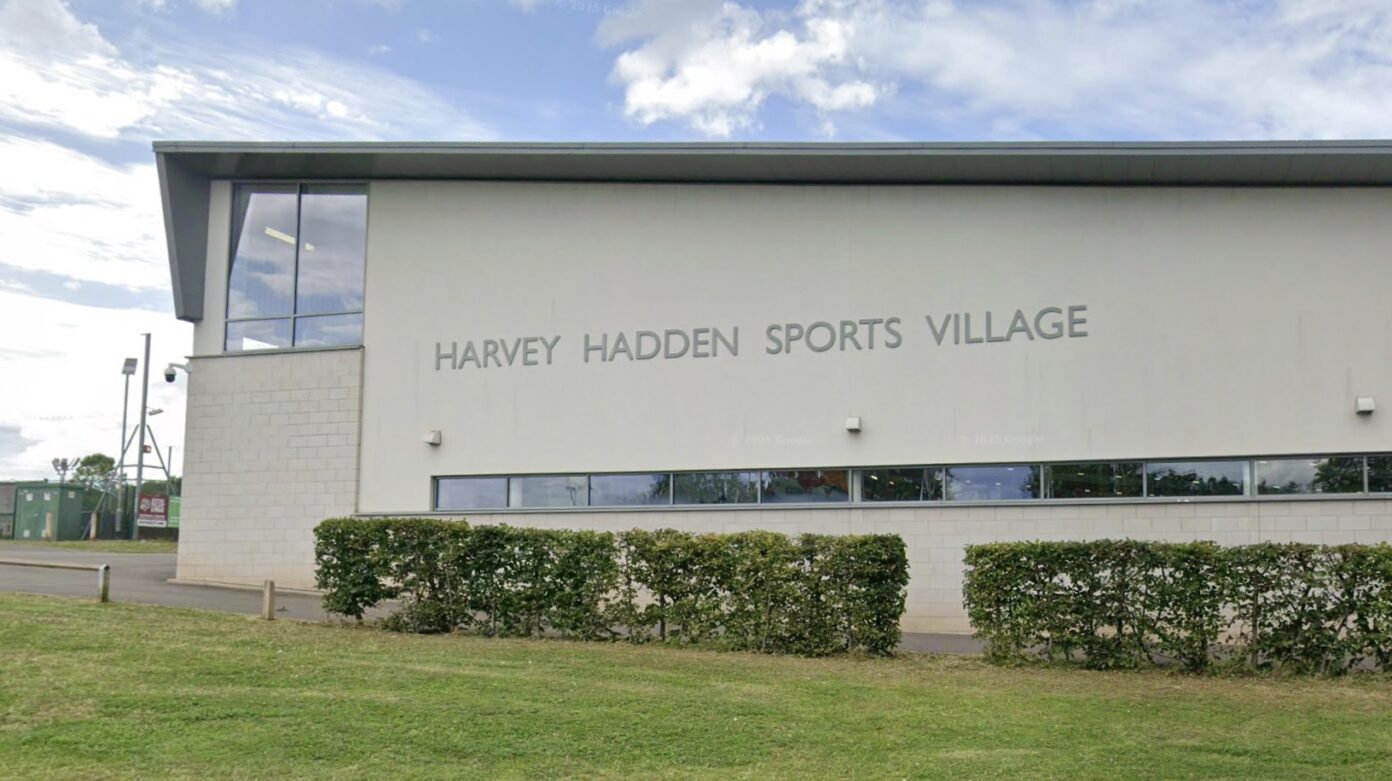
Harvey Hadden, in Bilborough ward, opened in 1960/61 following a bequest from Harvey Hadden. The report describes it as Nottingham’s only full athletics stadium and its only competition-standard, publicly accessible athletics facility.
The council owns the stadium, but it is held under charitable trust arrangements for public sport and recreation. Legal advice accompanying the report says the governing Court Scheme requires the council to maintain it in good order and condition in perpetuity.

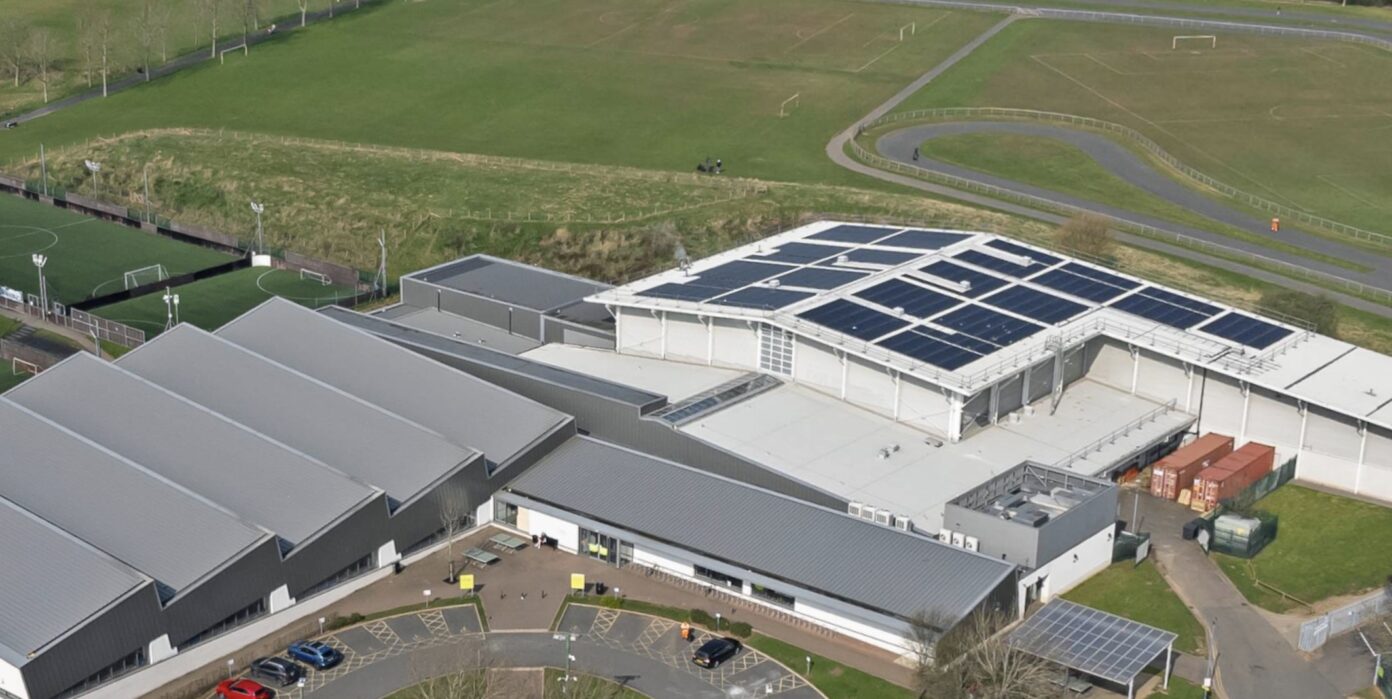
The venue supports school sport, grassroots participation, club training, county competitions and regional events. Current users include Notts Athletic Club, schools, universities and community groups, with almost 13,800 participants recorded in 2025.
According to the report, the athletics club contributes approximately £42,000 a year in income, while schools and other partners contribute around £13,000.
Condition and compliance surveys have identified problems with the tracks, stand and supporting infrastructure. An options appraisal commissioned from FMG Ltd found that the stadium had strategic value but faced significant condition, compliance and operational risks, alongside limited revenue and ageing infrastructure.
The report says investment is now required because previous planned replacement and renewal work has not taken place and the asset has continued to deteriorate.
The proposed works are estimated at £1.388 million, with a further £694,000 contingency bringing the maximum budget to £2.082 million.
The largest individual item is replacement of the outdoor athletics track, estimated at £602,000. Replacement of the indoor track is estimated at £160,000, while roof replacement and concrete and steel repairs would cost £200,000.
Lighting replacement is estimated at £115,000, with a further £50,000 for replacement of a lighting column. Surface-water drainage improvements would cost £28,000, replacement underground cabling £25,000 and a new CCTV system £9,000.
The proposed budget also includes £25,000 for infield improvements, including throwing cages and a long-jump pit, and £50,000 for equipment replacement.
Other estimated costs are £5,000 for asbestos removal from an outbuilding and £10,000 for its demolition, together with a £22,000 major projects management fee.
Stand-related work includes £30,000 for electrics, £10,000 for a fire alarm, £14,000 for steel encasement of seating and £9,000 for replacement cladding. The schedule also lists £12,000 for new rainwater goods, £8,000 for aluminium gutters and £4,000 for 13 PVCu downpipes.
Officers say the 50 per cent contingency reflects the age and condition of the infrastructure, limitations in existing surveys, uncertainty over market prices and the possibility that more extensive investigations will identify additional work.
Some estimates are based on visual surveys, while others have been assessed in more detail. Final costs would be established through further technical work, market testing and formal quotations.
Finance officers say the contingency should be reduced as estimates become more reliable. Any unused contingency would be removed from the capital programme at the end of the project, releasing funding for other priorities.
The proposed reduction in seating is intended to limit future compliance, management and maintenance requirements associated with regulated spectator provision while retaining facilities for school, club and community athletics.
However, the council’s legal advice cautions that reducing capacity to 499 or fewer must not be assumed to reduce or remove regulatory requirements. The position, and the measures needed to achieve it, would have to be confirmed by specialist officers or advisers.
Officers considered replacing the track while removing the stand roof and seating, but rejected that option because it would reduce the stadium’s ability to accommodate spectators and weaken its athletics and events provision.
Full demolition and replacement with a more limited sporting facility, such as a football pitch, was also considered but is not recommended. The report says removing the running track would result in the loss of Nottingham’s only full athletics stadium and materially change the established use of the site.
Any significant alteration would also require legal consideration of existing leases, licences, access arrangements and other rights held by users, including Notts Athletic Club.
The proposed investment would be funded through capital receipts and any external grants secured. Finance officers warn that an increased requirement for capital receipts would put additional pressure on the council’s property disposal targets.
No confirmed external funding source has been identified that would meet the scale and timing of the essential works.
The East Midlands Combined County Authority has indicated that it is considering how improvements of this kind could be supported through a future grant scheme. However, the scheme, eligibility rules, timescales and any match-funding requirements remain unconfirmed.
The report says any such grant is expected to cover only a small proportion of the project’s overall cost and should be treated as a possible supplementary contribution. Sport England and athletics-related funding routes have also been considered, but no suitable confirmed funding stream has been identified.
The stadium trust’s financial position is another concern. Technical finance advice dated 26 June says Harvey Hadden has only £1 in reserves and no ring-fenced funds, leaving the trust reliant on council grants to break even on operating costs in recent years.
The report says the investment needs to be linked to a clear long-term management, maintenance and operating model to avoid recurring subsidy requirements. Finance officers also support consideration of a reserve fund built from annual contributions from net income to help meet future renewal costs.
For users, the proposed programme would retain athletics facilities and address safety and condition problems affecting the venue. Lighting and CCTV improvements are also intended to reduce vandalism, unauthorised access and antisocial behaviour.
