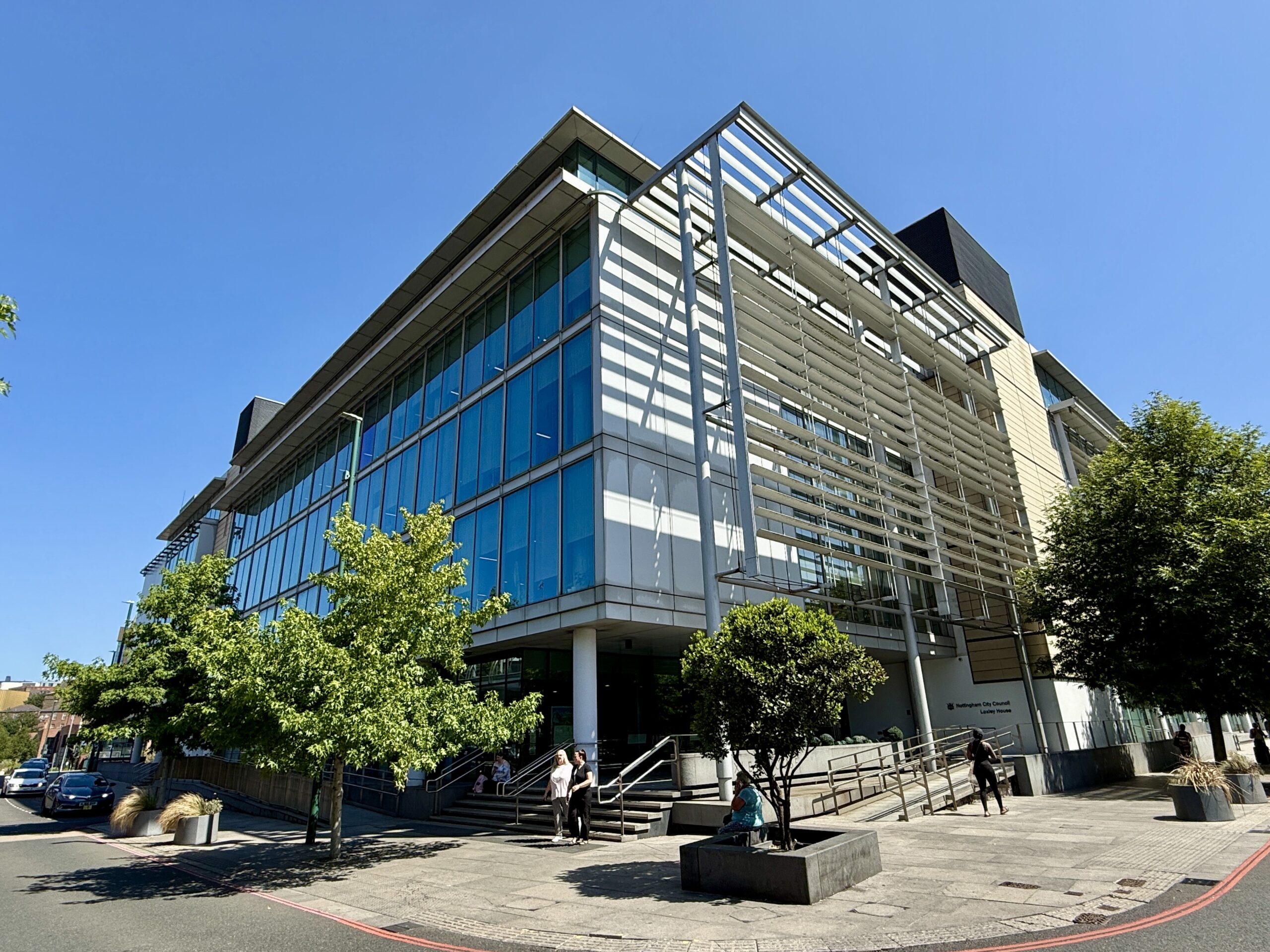
Nottingham City Council is set to decide whether to continue two key funeral services used by some of the city’s most vulnerable residents, as existing contracts approach their expiry.
A report due to be considered by the council’s Commissioning and Procurement Executive Committee on 14 April outlines proposals to maintain both Public Health funerals and the Nottingham Funeral service, alongside approving up to £1 million in funding over five years and launching a new procurement process for their delivery.


Public Health funerals are a statutory duty under the Public Health (Control of Disease) Act 1984, requiring local authorities to arrange funerals for people who die with no next of kin or where no one is able or willing to take responsibility. Nottingham City Council currently carries out around 150 such funerals each year, including cases arising from Queen’s Medical Centre, City Hospital and on behalf of Gedling Borough Council.
The report warns that without a replacement contract in place, there is a significant risk of service disruption which could prevent the council from meeting its legal obligations, exposing it to legal, financial and reputational risks.
Alongside this statutory service, the council also supports the Nottingham Funeral, a long-established low-cost funeral option developed to help residents manage rising funeral costs. Originally introduced in the 1980s, the service is delivered in partnership with Co-op Funeralcare and is aimed particularly at households on low incomes or those who do not qualify for government funeral support.
Demand for both services has increased significantly over time. Public Health funerals have risen from 62 cases in 2002–03 to around 145 in recent years, with a peak of 170 during the Covid-19 pandemic. Meanwhile, use of the Nottingham Funeral has grown from 160 funerals in 2010 to 432 in 2023, reflecting wider pressures linked to the cost of living and funeral affordability.
The report highlights that Nottingham remains one of the most deprived local authority areas in England, a factor which contributes to ongoing demand for both statutory and low-cost funeral services. Rising funeral costs, combined with limited access to government support schemes, are increasing financial pressures on bereaved families and driving what is described as funeral poverty.
In practical terms, the Nottingham Funeral provides a lower-cost alternative to private funerals, with an indicative cremation cost of around £2,059 compared to an average of £3,750 in the commercial market. The council says maintaining this option helps reduce the number of Public Health funerals it must fund, easing pressure on public finances while ensuring more families can arrange funerals themselves.
Councillors are being asked to approve continuation of the Nottingham Funeral at no direct cost to the authority, alongside a budget of up to £1 million between 2026 and 2031 to fund Public Health funerals. The proposed procurement would appoint a provider for an initial three-year term, with the option to extend by up to two further one-year periods, ensuring flexibility ahead of potential local government reorganisation expected later this decade.
The report also notes a growing shift towards direct cremations, which are carried out without a formal service and offer a lower-cost option. The council says future service delivery will need to reflect changing preferences while maintaining dignity and compliance with legal requirements.
If approved, responsibility for awarding the new contract would be delegated to senior officers, allowing the process to be completed in time to avoid any gap in provision.
The proposals aim to ensure continuity of legally required services while maintaining access to affordable funeral options for residents. A final decision will be taken by councillors at the April meeting.
