

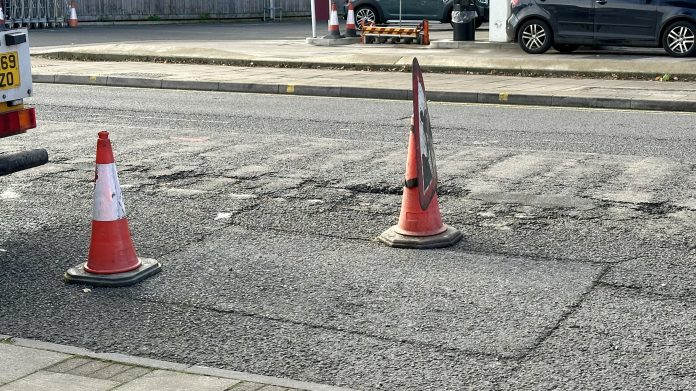
Rushcliffe MP James Naish has welcomed the Government’s announcement about doubling funding for road maintenance, meaning smoother and safer journeys for millions of drivers.
£1.6 billion is being spent on local road maintenance this year (2025/26), a £500 million increase compared to 2024/25.
Over the next four years, however, an additional £7.3 billion will be made available on top of this, meaning councils across England should be able to identify and fix the roads most in need of repair and deliver immediate improvements for communities and residents.
The Government is also turning up the pressure on local authorities by more than tripling the share of local roads funding that is tied to transparency – from 8% to over 30% of the budget. Councils can only unlock the funding if they publish clear pothole and maintenance data and follow best practice.
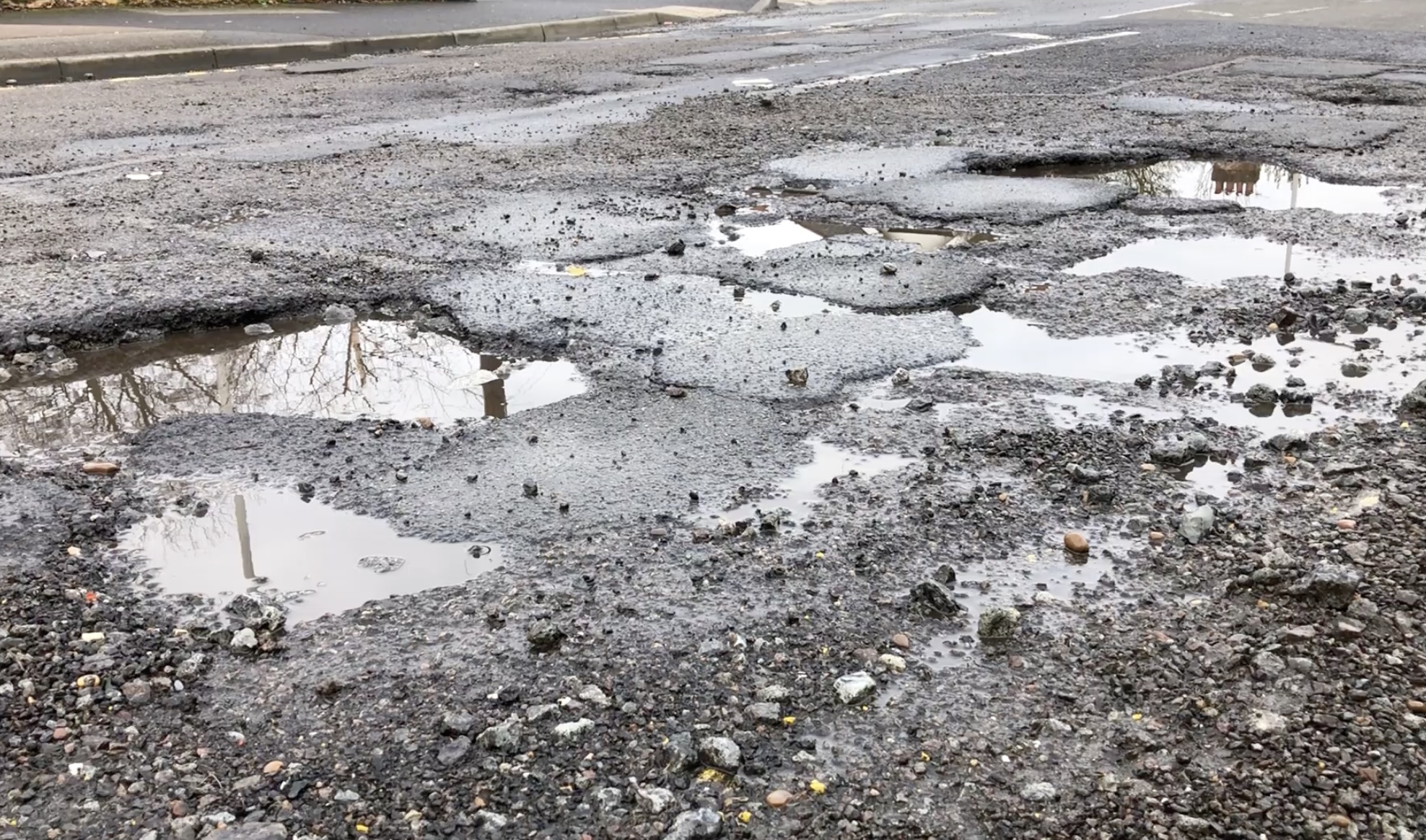
James Naish MP said: “There is nothing that comes up more often on the doors in Rushcliffe than Nottinghamshire’s potholes. People feel the pain of poor-quality roads every day, not only when travelling across the county but when absorbing unexpected costs linked to vehicle damage.


“The Government promised to fix an extra million potholes a year by the end of the Parliament, and we need this to happen for people to see and feel a difference. This doubling of funding shows that local authorities are being backed to make improvements – and they will be incentivised to do so.”

The announcement follows the Budget last week, which included a range of measures to address the cost of living, including freezing regulated rail fares, freezing prescription charges, and reducing average domestic energy bills by £150 from next April.
Help was also confirmed for individual resident groups, including pensioners via a 4.8% increase to the State Pension; former British Coal mineworkers via the return of £2.3 billion of pension contributions; more than 2,500 Rushcliffe families via expanded free school meal eligibility; and 870 Rushcliffe children whose life chances will be raised following the removal of the two-child benefit cap.
