Nottingham City Council has secured government funding to help inform the next phase of development for its district heating network, supporting detailed studies that will identify opportunities to optimise performance, strengthen long-term resilience, and continue delivering positive outcomes for residents while supporting the city’s carbon reduction ambitions.
The funding, awarded through the Department for Energy Security and Net Zero’s Heat Network Efficiency Scheme (HNES), will support two detailed optimisation feasibility studies across key parts of the network.


Nottingham’s district heating network has provided affordable, reliable, low-carbon heat and hot water to homes and businesses across the city for over 50 years. First established in the 1970s, the network was ahead of its time and now supplies around 5,000 domestic and commercial customers.
At a time of continued pressure on energy costs, it also provides greater stability by generating heat locally and reducing exposure to volatile wholesale gas markets.
This latest funding will support studies in two areas:
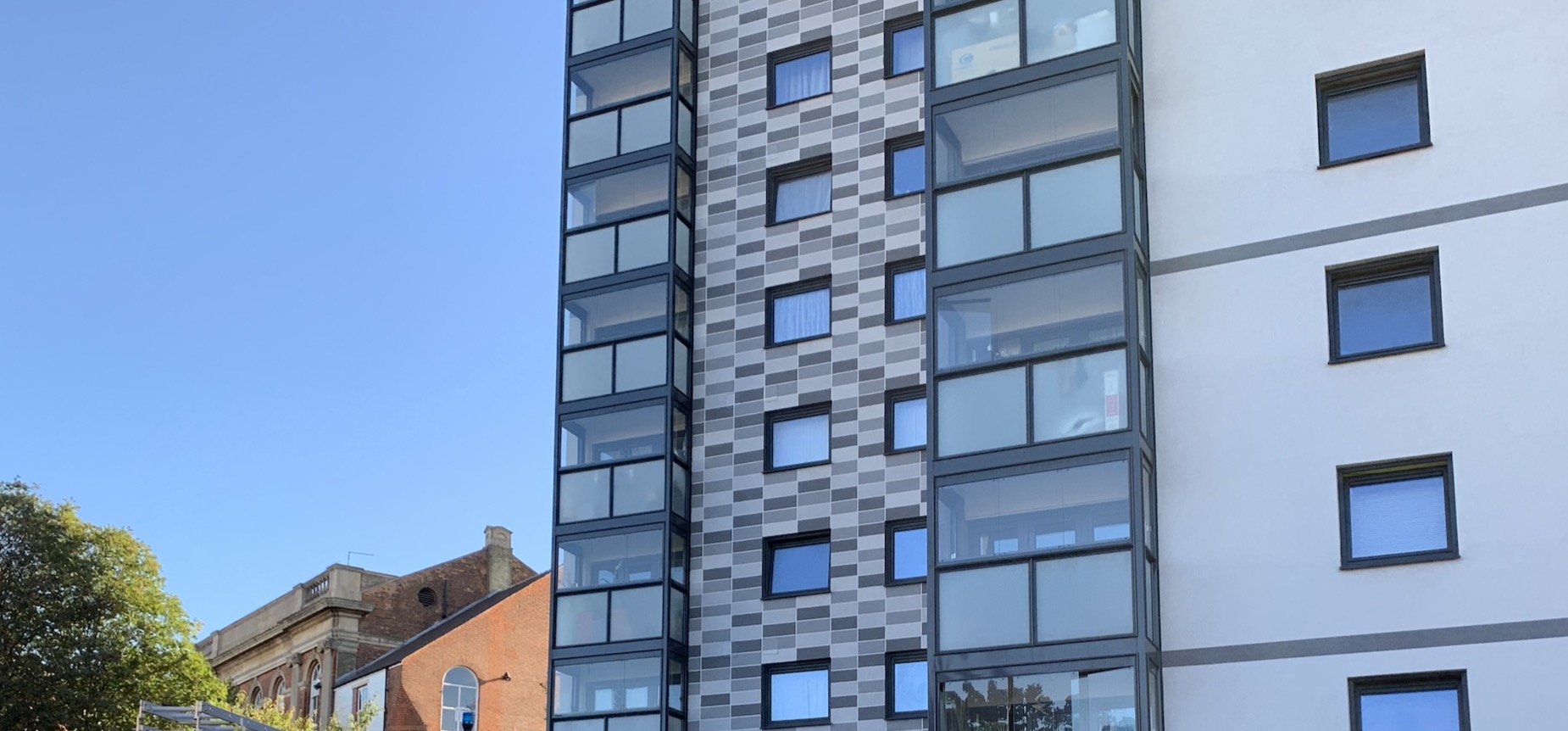
– Manvers Court – a 14-storey block of flats selected as a representative model for two other identical buildings on the same estate. The findings are expected to help improve performance across around 270 council flats.
– St Ann’s (Phases 6 and 12) – a section of the network serving 647 households, chosen to represent a wider system with a similar design. The results could be applied more broadly, with the potential to benefit the wider network of around 5,000 households.
Together, the projects directly cover homes serving 737 households, while the wider learning has the potential to deliver improvements across much larger parts of Nottingham’s heat network.
The studies will examine how heat is generated, distributed, and used from energy centres and substations through to individual homes, identifying opportunities to optimise operation, support long-term resilience, and enhance overall system performance. The findings will help inform future investment decisions and could support lower operating costs, continued reliability, and further carbon savings over time.
As part of the studies, a small number of households may be contacted to support information gathering and technical assessment work during site visits. Residents will be fully informed and supported throughout, and any involvement will be carefully managed to minimise disruption.
Cllr Sam Lux, Executive Member for Environment and Sustainability, said: “Nottingham’s district heating network has been a real success story for more than five decades, providing low-carbon heat to thousands of homes while helping to reduce waste and emissions.
“This funding allows us to take the next step, using feasibility studies to build on the strengths of the network and identify where future improvements and investment can deliver the greatest benefit for residents.
“Like all major infrastructure, heat networks benefit from ongoing review and optimisation to ensure they continue to provide reliable, cost-effective, and lower-carbon heat over the long term.
“It also means we can maximise the long-term benefits of this well-established system, helping more households across Nottingham as we continue to invest in greener infrastructure for the city.”
Work on the feasibility studies is scheduled to begin in June 2026, with findings expected to inform future improvements and investment in the network.
