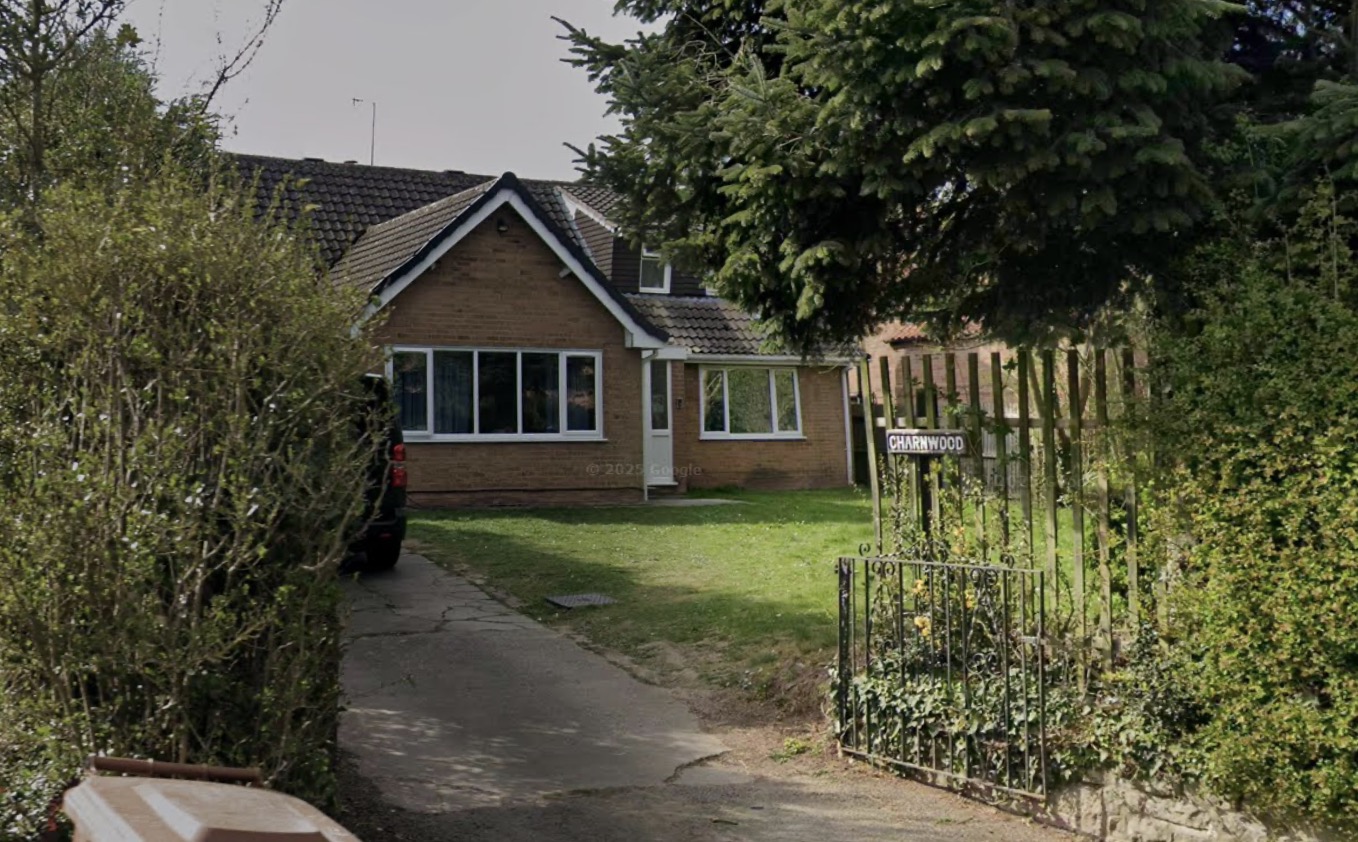
The Care Quality Commission (CQC) has rated both Sternhill Paddock and Charnwood House in Eakring, Nottinghamshire, as outstanding following inspections in February.
Sternhill Paddock and Charnwood House, both run by Creative Care (East Midlands) Limited which is owned by Consensus, are residential care homes supporting younger adults including autistic people and people with learning disabilities, mental health conditions or physical disabilities.


The homes are located next door to each other, with Sternhill Paddock supporting six people with a regulated activity and Chanwood House supporting three people with a regulated activity at the time of the inspection.
CQC assessed the services using its right support, right care, right culture guidance. This guidance assesses whether a service guarantees autistic people and people with a learning disability the respect, equality, dignity, choice, independence and access to local communities that most people take for granted.
CQC has upgraded the overall rating and the ratings for how caring, responsive and well-led Sternhill Paddock is from good to outstanding, and has again rated how safe and effective it is as good.
• Also today – CQC upgrades rating of Nottinghamshire care home to outstanding
This was CQC’s first inspection of Charnwood House since it was registered. CQC has rated how caring, responsive and well-led it is as outstanding, and how safe and effective it is as good.
Hazel Roberts, CQC deputy director of adult social care in the central region, said: “During our inspection of these two services run by Creative Care, we found both delivered exceptionally personalised care with staff and leaders that put people at the heart of the support they delivered and decisions they made.
“This is in line with the right support, right care, right culture guidance, so everyone felt truly involved and valued. “At Sternhill Paddock, staff considered people’s needs, preferences and communication style to provide compassionate care and support. They also used tailored approaches to reduce barriers, with examples including sensory adaptations, structured routines and proactive risk management.
“Staff provided care that empowered people to live as independently as possible and have choice in their treatment, resulting in positive outcomes. They helped people become more confident, learn new skills and take greater control of their daily lives.
“It was inspiring to hear how the service helped people to live healthy, fulfilling lives and achieve their goals and ambitions. Staff helped identify achievable steps and recognised progress by celebrating how far people had come. “During our visits to Charnwood House, we found leaders had created an inclusive and empowering environment for people, where staff balanced independence and aspirations with safety very well.
Staff provided compassionate and personalised care as they had excellent understanding of people’s needs, preferences and backgrounds.
This helped them encourage people to take part in meaningful activities and work towards their aspirations.
“We found staff were passionate about helping people achieve their goals and take part in activities that mattered to them. They always kept them safe and had a balanced approach which helped people progress.
\“Partners who worked closely with the home gave positive feedback and told us the dedication and support from staff was helping people progress.
“Leaders and staff at Sternhill Paddock and Charnwood House should be delighted with the many positive findings in our reports. We look forward to seeing their continued progress.”
Inspectors found at Sternhill Paddock: The home gave people access to new opportunities and experiences and supported them to become part of their local community by recognising their interests and ambitions.
Leaders had created a warm, inclusive and empowering culture, and were passionate about helping people live fulfilling lives.
Staff demonstrated excellent commitment to understanding people who couldn’t provide verbal feedback and helping them express themselves.
Leaders and staff worked with people to develop personalised Makaton signs that reflected people’s natural gestures and communication styles.
Inspectors saw people use this to communicate their preferences, ask for support, share their feelings and convey their happiness about living at the home.
Relatives were enthusiastic about the improvements in their loved ones’ communication since being at the home, and described staff as patient, skilled and creative.
Inspectors found at Charnwood House:
Staff supported people to build confidence, gain new experiences and develop healthy and trusting relationships in the home and out in the community.
They understood the importance of social activity to help reduce any potential isolation people faced.
Families told inspectors the service was proactive, responsive and committed to removing barriers that limited people’s opportunities.
Where staff had put restrictions in place for people’s safety, they made sure these were handled sensitively and respectfully. They continually reviewed these to explore whether they could be reduced, adapted or modified while considering people’s emotional development and current needs.
