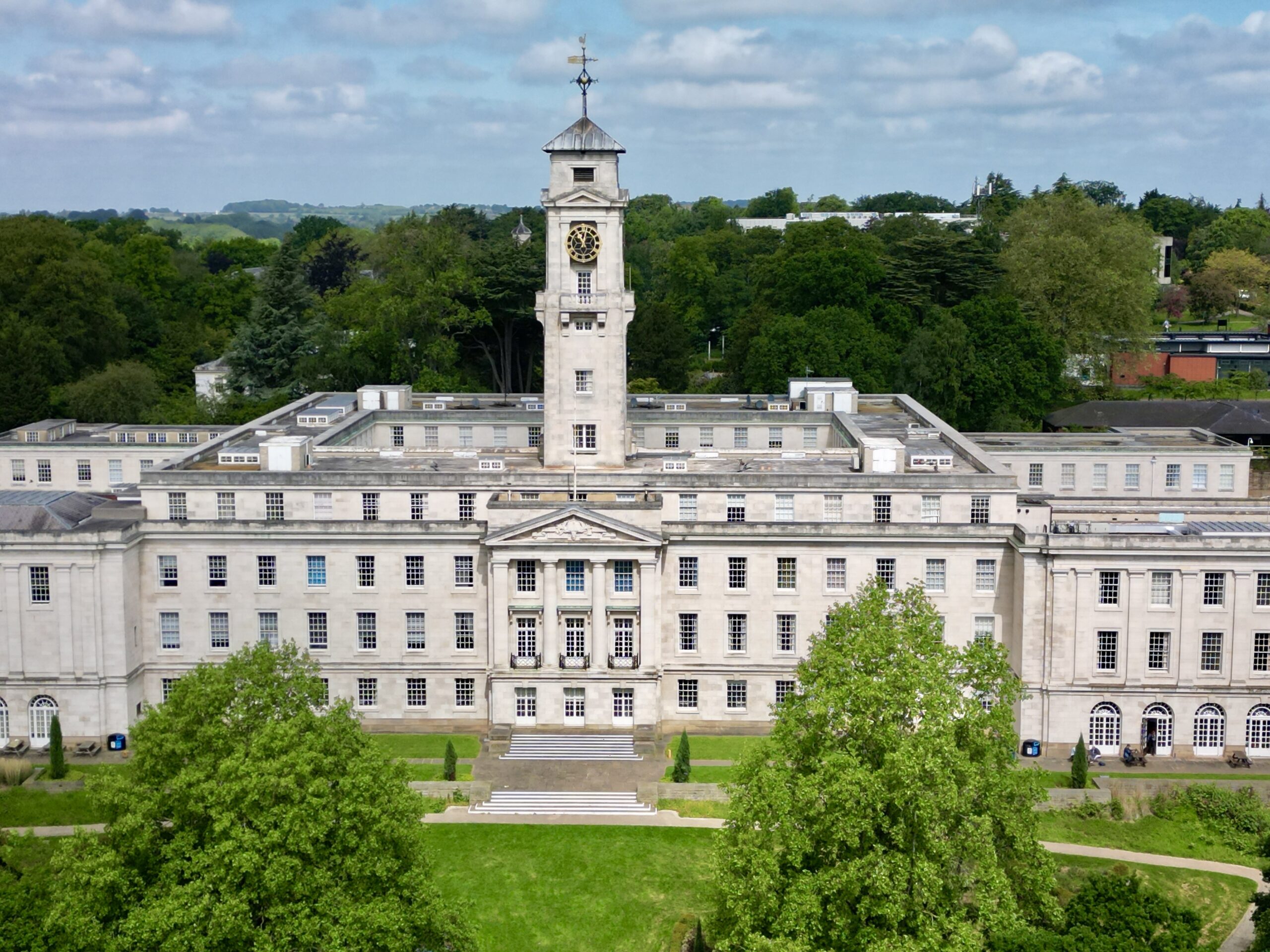
The University of Nottingham says it is moving ahead with major changes to its academic and organisational structure under its Future Nottingham programme, including course cuts and changes affecting over 500 jobs across the institution.
The university said the programme, which has been developed over the past two years, is intended to make its academic offer more focused, strengthen areas of what it describes as “distinctive excellence” and provide a more consistent experience for students and staff.


University leaders described the changes as among the biggest Nottingham has seen in its 145-year history.
The university said staff, students and alumni had helped shape the plans through consultation, with many suggestions and alternative proposals incorporated either partly or fully into the final Future Nottingham business case.
It acknowledged that the changes would affect people across the organisation and said the decisions had not been taken lightly.
According to the university, the underlying financial challenges which led to the programme remain.
It said it is still not generating enough money from its day-to-day activities to invest in its future, while pressures affecting the wider higher education sector have not eased.
Student recruitment remains highly competitive, while inflation and other rising costs are expected to continue adding financial pressure.
The university said that without further action its longer-term financial position would remain unsustainable.
However, it said Future Nottingham is not solely a financial programme, arguing that the changes are also intended to build greater resilience and sustainability and allow the institution to pursue its longer-term ambitions.
Final business case
The final Future Nottingham business case sets out the university’s proposed structure and academic direction.
The university said it wants to develop an academic offer which better reflects what students want and need, with the aim of ensuring graduates leave with the skills, knowledge and confidence needed for their future careers and lives.
It also intends to improve its financial resilience so that money can be invested in teaching and research, both in areas where Nottingham is already considered strong and in fields where the university believes it could become internationally competitive.
The plans are also intended to support research and innovation, provide a more consistent experience for students and staff and create greater opportunities for new approaches across the institution.
Over the coming months, the university will begin implementing the changes.
They include moving from five Faculties to three Colleges, simplifying organisational structures and changing how professional services support is provided within faculties.
Changes will also be made to Equality, Diversity and Inclusion (EDI) and technical services across the university.
Modern languages and music degree courses to go
The university will also reduce and reshape its course offering.
It said student demand is not sufficient to retain degree course provision in modern languages and music.
Modern language teaching will not disappear entirely. Instead, the university plans to establish a new university-wide Language Centre offering a focused range of languages at module level.
Under the plans, students on most degree courses will be able to add a modern language module to their studies.
The university said it also remains committed to maintaining a music culture on campus despite ending music degree provision.
Extracurricular music will continue to be supported through Lakeside Arts, including choirs, orchestras, performances and other creative opportunities.
The university will also extend its collaboration with the BBC Concert Orchestra until 2029 as part of the Universities for Nottingham Partnership.
Music-related research will continue and is expected to expand within the School of Computer Science, where the university said there are opportunities for interdisciplinary research and external funding.
It said this reinvestment would support the creation of up to four new full-time roles, focused on research bringing together music, technology and innovation.
Personal tutoring system to change
The university is also changing the way students receive academic and pastoral support.
Its Tutoring for Student Success initiative will replace the traditional model of one-to-one personal tutoring.
The new approach will use a structured, team-based support model intended to strengthen academic guidance, improve connections with specialist services and provide students with clearer and more consistent ways of accessing support.
The university said the system is designed to improve student experience, success, wellbeing and a sense of belonging, while creating a more sustainable and clearly defined support model for individual Schools.
The approach has already been piloted in some areas of the university and will now be introduced more widely.
Major restructuring to be implemented
The university said Future Nottingham is intended to restore financial resilience and create capacity for future reinvestment while improving consistency for students and staff.
It also expects the programme to strengthen research and knowledge exchange, encourage interdisciplinary working and allow the university to make clearer decisions about the academic areas in which it intends to lead.
The University of Nottingham said that, after almost 150 years of research and teaching, the restructuring is intended to provide a stronger financial and organisational platform for its future and allow it to sustain academic excellence over the longer term.
