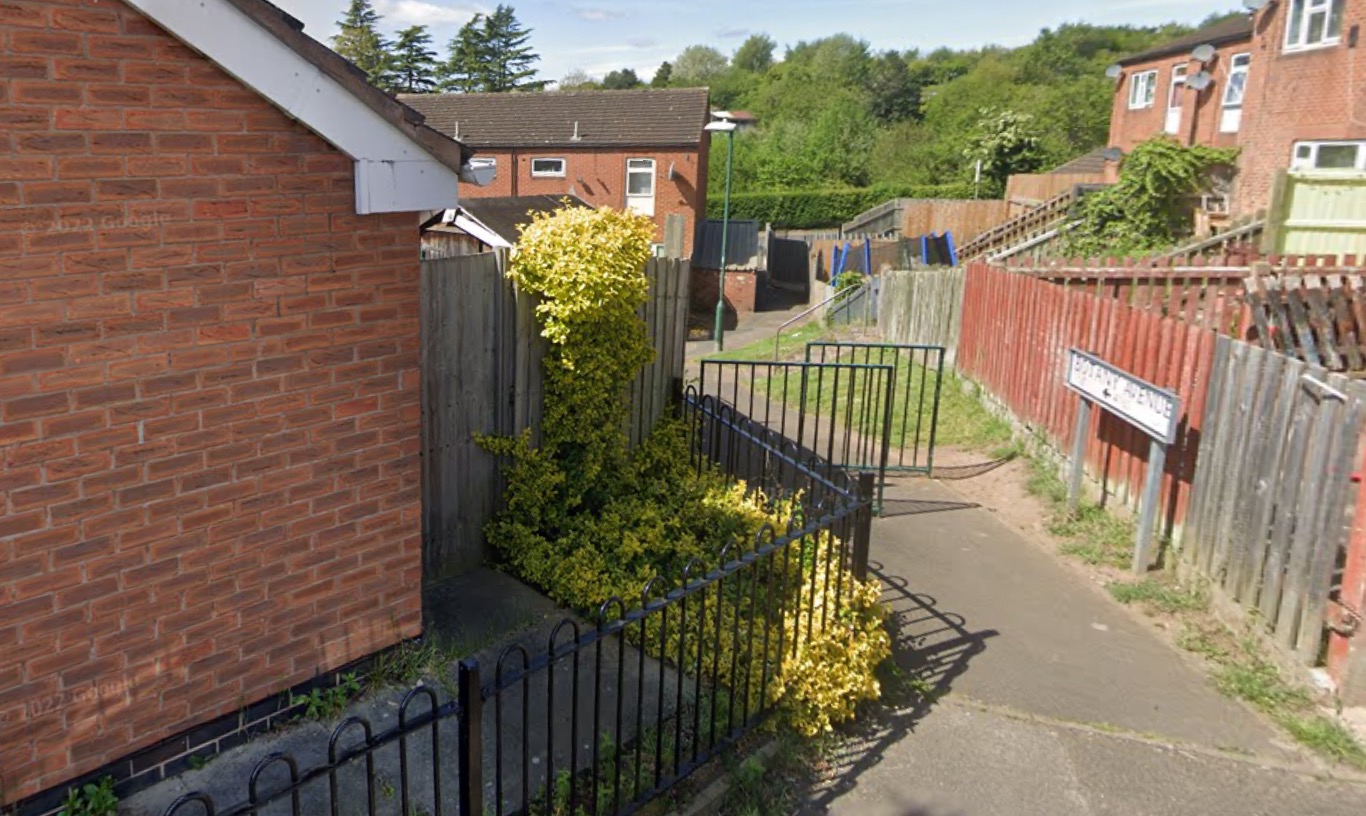
Nottingham City Council has approved the extension of 13 Public Spaces Protection Orders restricting access to alleyways and rights of way across the city for a further three years.
The orders, which cover locations in areas including St Ann’s, Mapperley, Radford, Bulwell, Aspley, Hyson Green, the Arboretum and Cinderhill, had been due to expire on 17 October 2026. They will now remain in force until 16 October 2029, subject to the council’s call-in process, which expires on 13 October.


It follows a consultation earlier this year on whether the restrictions should continue. The council says 87% of respondents supported extending the 13 orders, with one consultee opposed and four giving a neutral response. Nottinghamshire Police also supported the proposed extensions.
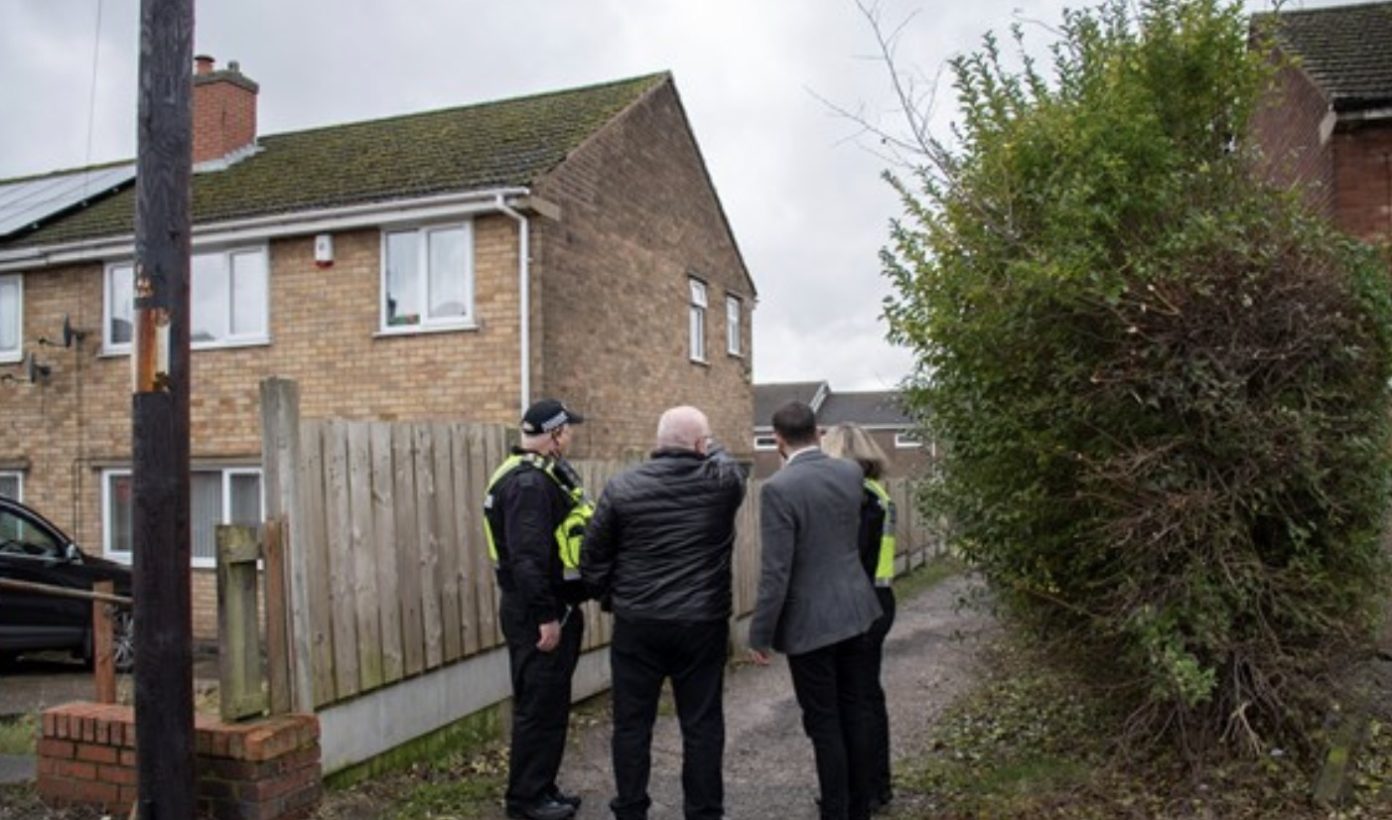
The restrictions cover a footpath running from Caulton Street, off Alfreton Road, towards Birkin Avenue near Bentinck Primary School; two areas of land at Beverley Square in St Ann’s; land between Botany Avenue and Ransom Road in Mapperley; an access between numbers 19 and 20 Camomile Gardens in Radford; and land behind numbers 15 to 25 Candle Meadow in Colwick Park.
They also cover land between Haswell Road and Courtleet Way in Bulwell; between Holland Street and Hyson Street in the Arboretum; between Kilnwood Close and Bowland Close; between Neston Drive and the footpath alongside and across the River Leen in Cinderhill; land behind properties between numbers 8 and 50 Portland Road; and land between Wendover Drive and Smedley Close in Aspley.
The remaining restrictions cover access between numbers 12 and 16 Hovenden Gardens in Hyson Green, including the alleyway running from Brushfield Street through Hovenden Gardens, and a footpath at the southern end of Dane Court, off Dane Close in St Ann’s.
Many of the restrictions pre-date the current Public Spaces Protection Order regime. Orders three to 12 were originally made as Gating Orders under the Highways Act 1980. Gating Orders were repealed by the Anti-Social Behaviour, Crime and Policing Act 2014, but existing orders remained in force and were treated as PSPOs.
Those orders were extended in 2020 and again in 2023. The Hovenden Gardens order was also varied in 2023 to increase the area where the public right of way is restricted.
The Bentinck Primary School and Beverley Square restrictions were introduced as PSPOs in 2017 and extended in 2020 and 2023. The Dane Court order was introduced in 2018, extended in 2021 and again in 2024 for a shorter period so that its expiry date matched the other 12 orders.
The Wire reported in May that the council had authorised consultation on extending all 13 restrictions. At that stage no decision had been taken to keep them in force beyond October.
The council says there has been a “significant reduction” in reported anti-social behaviour around the restricted areas since the orders were introduced. It concluded that removing the restrictions and barriers could lead to the return of the behaviour which led to their introduction.
Issues identified when the restrictions were originally introduced included street drinking, drug use and dealing, sexual acts, fly-tipping and other anti-social behaviour.
Barriers are currently installed at the entrances to the restricted areas. Had the orders been allowed to expire, the council says those barriers would no longer have been legally authorised and would have had to be removed as obstructions to the highway.
Breaching a PSPO is an offence, with a fixed penalty notice available as an alternative to prosecution.
The public consultation ran between 29 May and 12 June 2026, with notices published by the council and delivered to owners and occupiers of land within the restricted areas. The police and Police and Crime Commissioner were also consulted.
Under the legislation, a council can extend a PSPO for up to three years where it is satisfied that doing so is necessary to prevent the recurrence of the activities covered by the order, or an increase in their frequency or seriousness. Extensions can be made more than once.
The council says there are no significant additional financial implications from extending the orders. Administration, signage and enforcement are expected to be covered from existing budgets.
Following approval, the council must carry out the required publicity and ensure signage at the affected locations is erected or updated.
