East Midlands Airport has apologised and outlined £11 million of improvements it has carried out after pleading guilty to three charges that it breached its Environment Agency permit to discharge water from the airfield into local waterways on three occasions in 2022.
A judge today sentenced the airport to an £892,500 fine for the breaches, which the airport is confident cannot happen again due to the improvements it has carried out.


Background to the Case
The hardstanding area (concrete/asphalt) across the East Midlands Airport airfield alone (not including landside car parks and roads) is equivalent to 100 football pitches. This includes the taxiway, runway, and aircraft parking stands. When it rains, a significant amount of surface water accumulates, which has to drain away from the hardstanding areas.
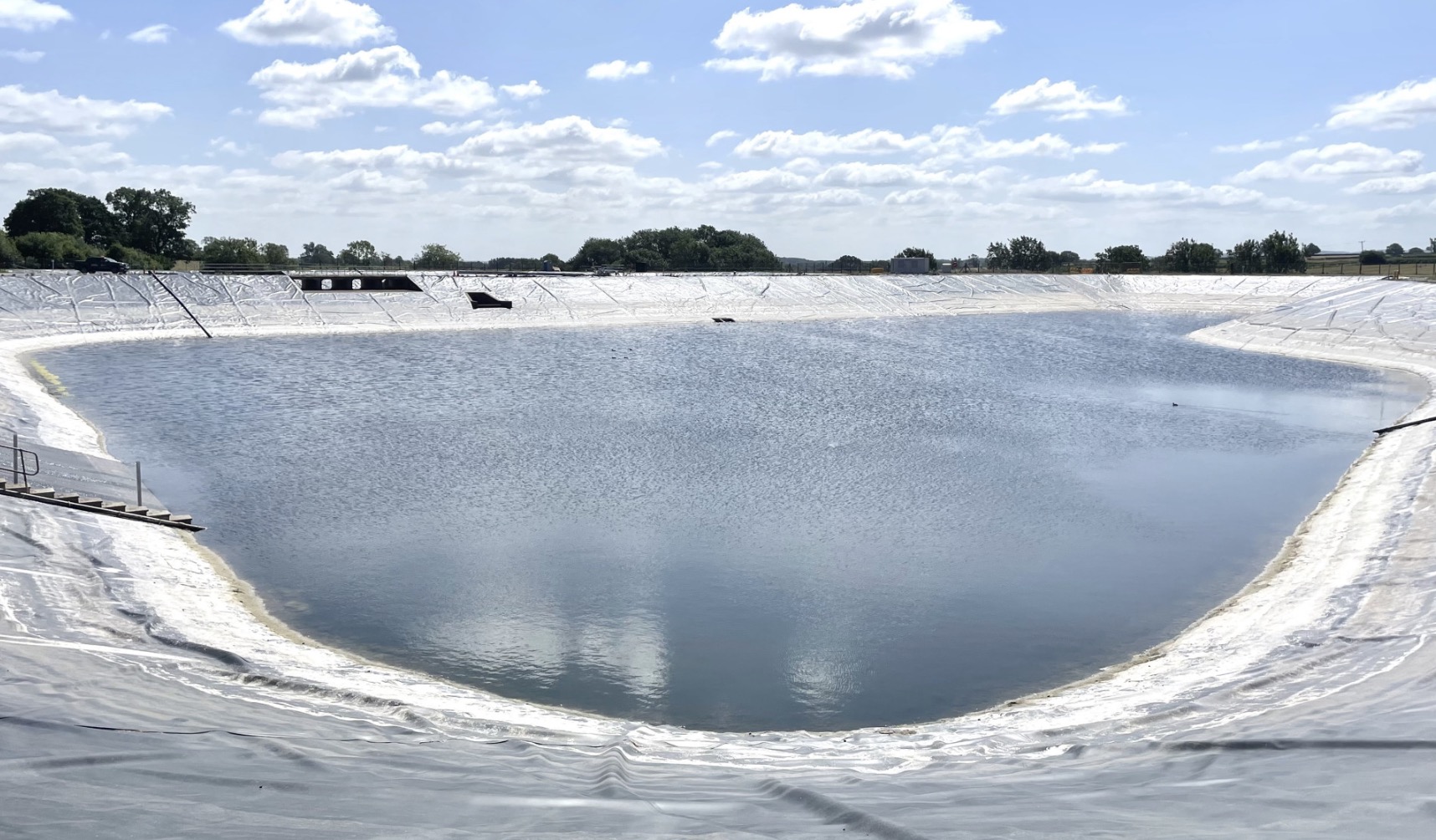
Surface water run-off is captured and, when required, treated by water attenuation ponds before it is released into the local watercourses in a controlled way. Unlike other airports, EMA is unable to discharge to nearby sewage treatment works. The airport’s complex water management system, which includes a series of reservoirs and ponds, is capable of holding 120 million litres of water. Water discharges are carried out in accordance with the conditions of a permit issued by the Environment Agency.
In the winter months, and when the temperatures are low, de-icer is applied to aircraft and also to the runway, taxiways, and aircraft parking stands in order to maintain safe operations. Action is taken to remove as much de-icer as possible from the airfield before rainfall washes it from the airfield into the drainage network. The water quality is tested. The amount of de-icer in the surface water will determine if the water is diverted into either the summer ponds for direct release to surface watercourses or the winter ponds. Surface water is aerated in the winter ponds before being permitted to be discharged into either the River Trent or the Diseworth Brook (in accordance with permit conditions).
The court case relates to three occasions in 2022 when there were breaches of the Environment Agency’s environmental discharge permits.
East Midlands Airport’s Managing Director, Steve Griffiths, said:
“I’m sorry that in 2022 there were issues with the operation of our water drainage system which led to breaches of our permit on three occasions.
“Since this period, we have been working with the Environment Agency and external industry experts to carry out remedial action. We have put in place £11 million of improvements, including establishing a new water management team focused on inspecting, maintaining, and operating the surface water management system daily.
“We have installed new monitoring equipment at key locations which provide better insight into prevailing water quality and quantity conditions, implemented additional aeration capability which improves the way water is treated before being discharged to the watercourse, as well as carrying out comprehensive remedial works and desilting of ponds. We have also introduced a specially adapted sweeper to clean up de-icer from the airfield before it reaches the drainage system.
“I’m satisfied that the issues that led to this prosecution have been fully addressed by these measures. We take our environmental responsibilities very seriously and will continue to look at ways to minimise our environmental impact.”
The £11 million of water management improvements include:
· Clearing and desilting all reservoirs and ponds
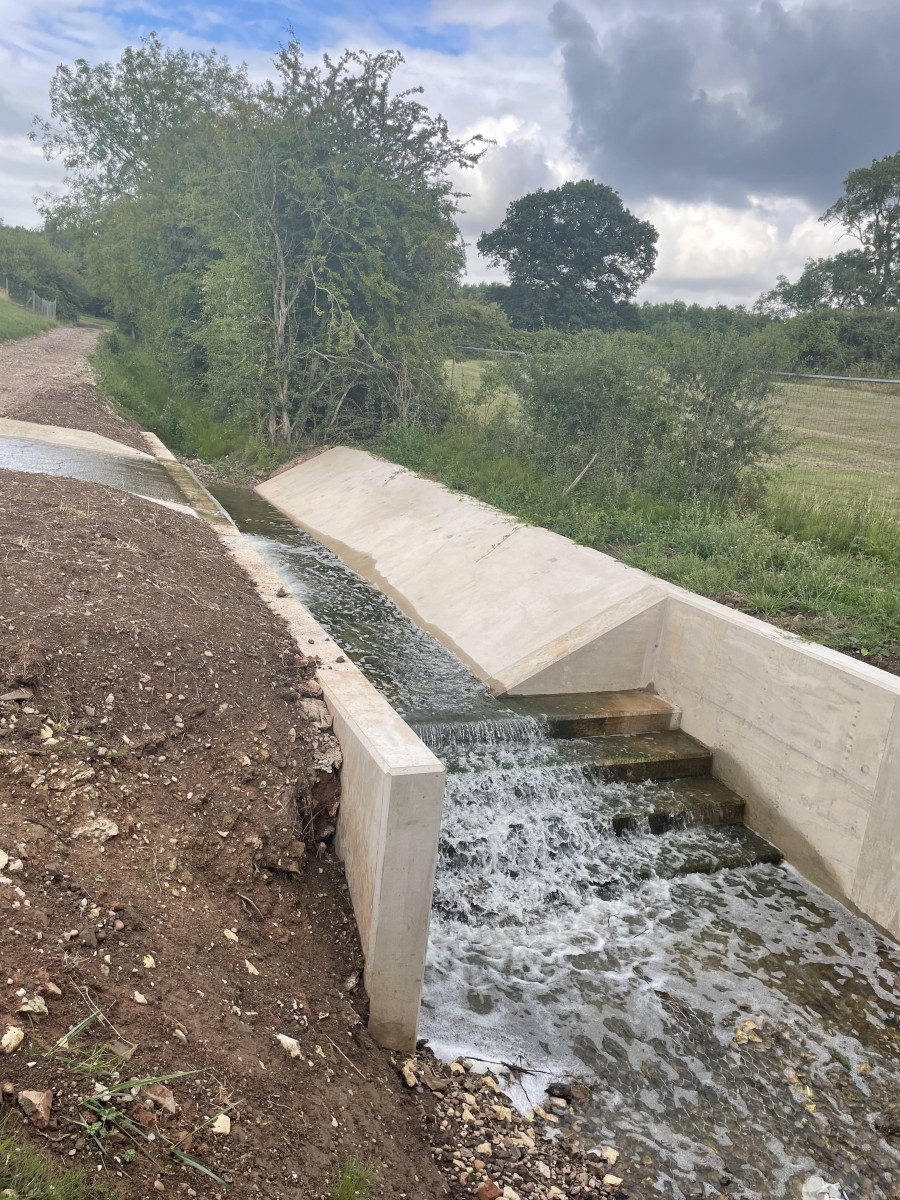
· Re-lining ponds and replacing water channels
· Deploying four new spiral aerators in the Western Reservoir to help improve the water quality before being released
· Introducing new water quality monitoring equipment, improving monitoring both in-house and automated at all discharge points, along with improved recording systems and contingency plans, surveying all connecting pipework with CCTV, and installing drainage flow meters
· Removing vegetation, waste, and silt from all open channels across the site
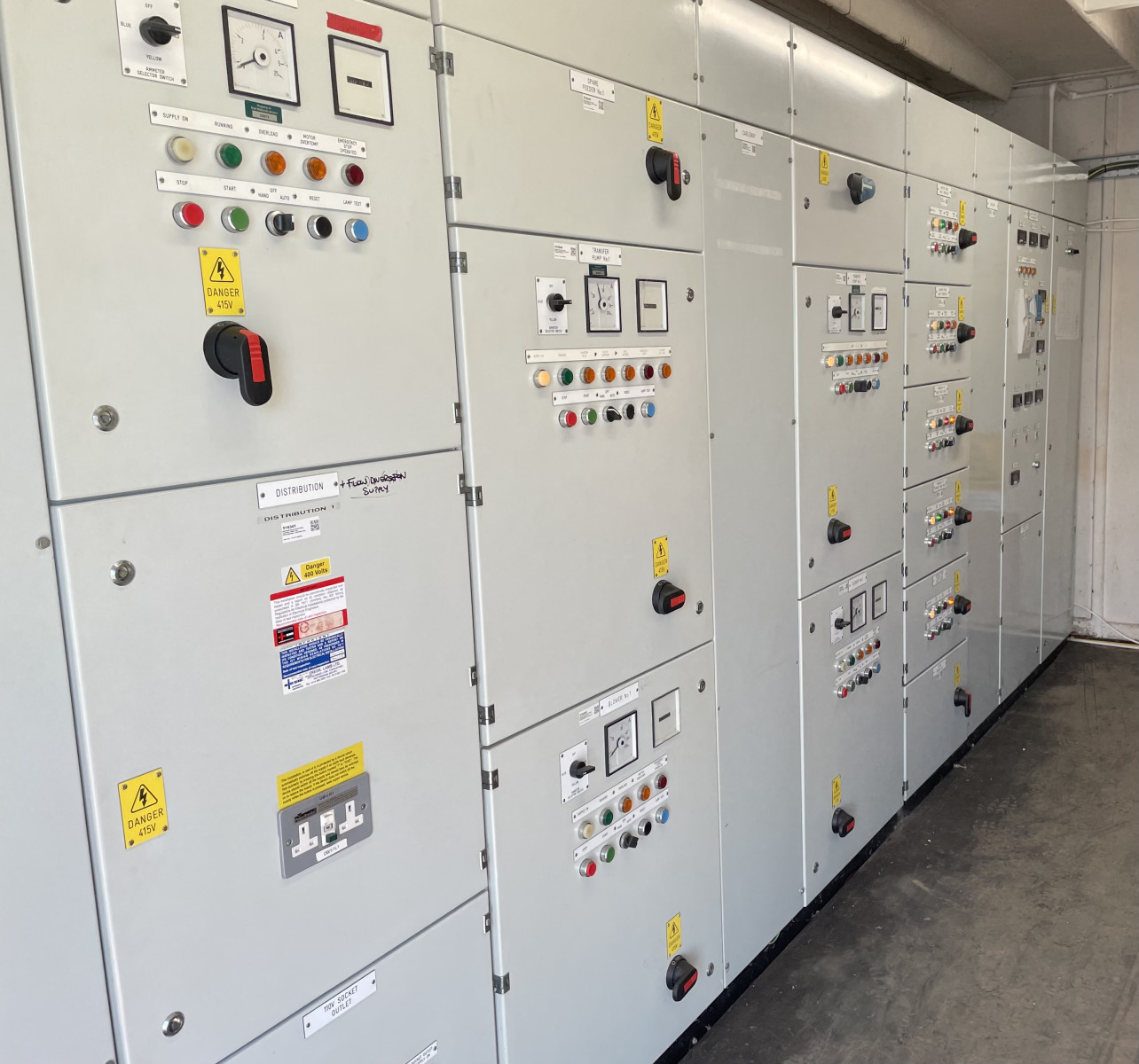
· Installing improved pumping systems, automatically controlled valves, and new diversion systems
· Establishing a dedicated water management team which actively engages with the EA and local communities
· Introducing a Sweeptech Glycol Recovery solution to assist in the removal of waste de-icer at source. The Sweeptech solution removes a significant proportion of the de-icer applied on site, helping us to improve the quality of discharge released into surrounding waterways.
