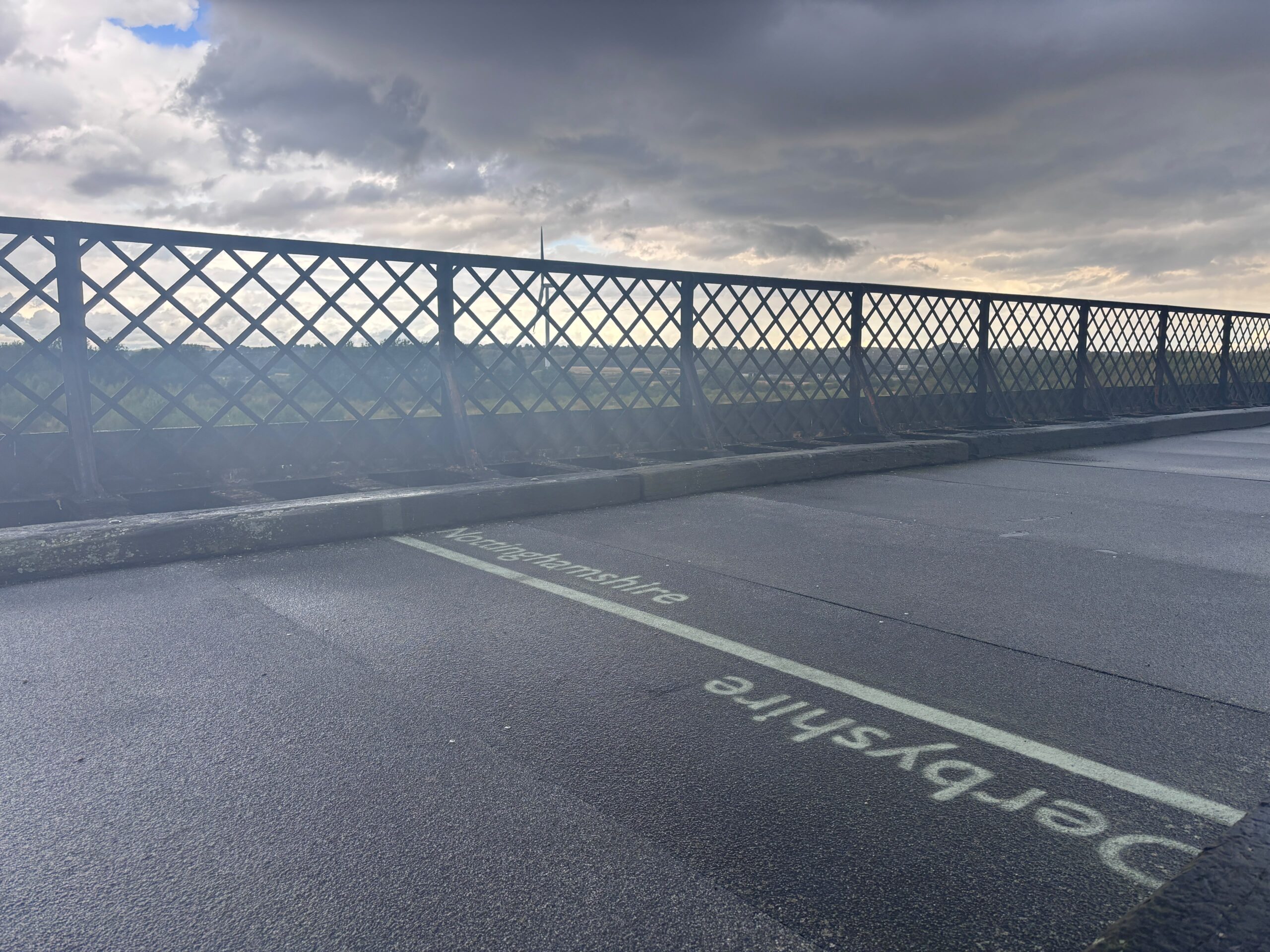
Nottinghamshire’s Iron Giant has served as a key connection between two counties across three centuries.
While it began its life carrying freight and passengers by rail, Bennerley Viaduct, known as the ‘Iron Giant’, continues to carry travellers – though now by foot, bike and other means.


Standing 18 metres tall and 442 metres long, the wrought-iron structure connects Awsworth in Nottinghamshire to Ilkeston in Derbyshire and is around 150 years old.
In the late 1800s, infrastructure in the East Midlands was heavily powered by iron, steam and coal.
According to the Friends of Bennerley Viaduct charity, which manages and cares for the site, coalfield owners, businesses and leaders were disgruntled by high transport costs and stifled economic growth, as the Midland Railway was in charge of most of the transport in the region.
This is where the Great Northern Railway stepped in and, following support from notable local figures, the British Parliament gave the green light for a new railway in 1872, known as the Friargate Line, which would run from Nottingham to Derby.
Bennerley Viaduct, carrying the new line, opened in 1878 and transported goods, coal, iron ore and passengers between Nottingham and Derby for around 90 years before trains ceased using the bridge in the 1960s.
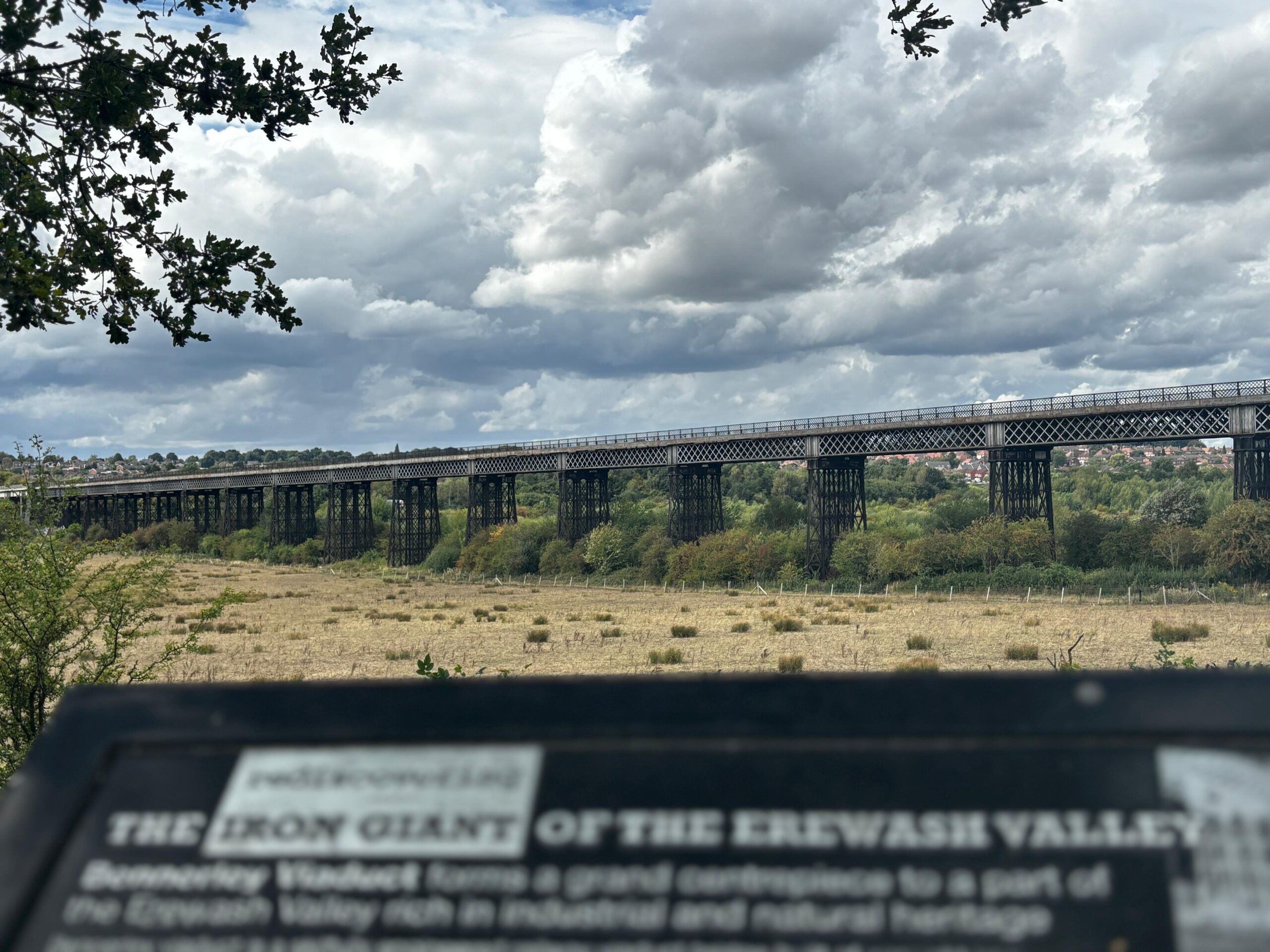
It was left to become derelict, sprawled across the valley as a ghost of the past, before the Friends group took over its care, opening it to the public in 2022 for walking, cycling and exploring.
Broxtowe Borough Council leader Milan Radulovic (Brox Alliance) has been a strong champion of the Bennerley site, its important industrial heritage and the recent regeneration of the site.
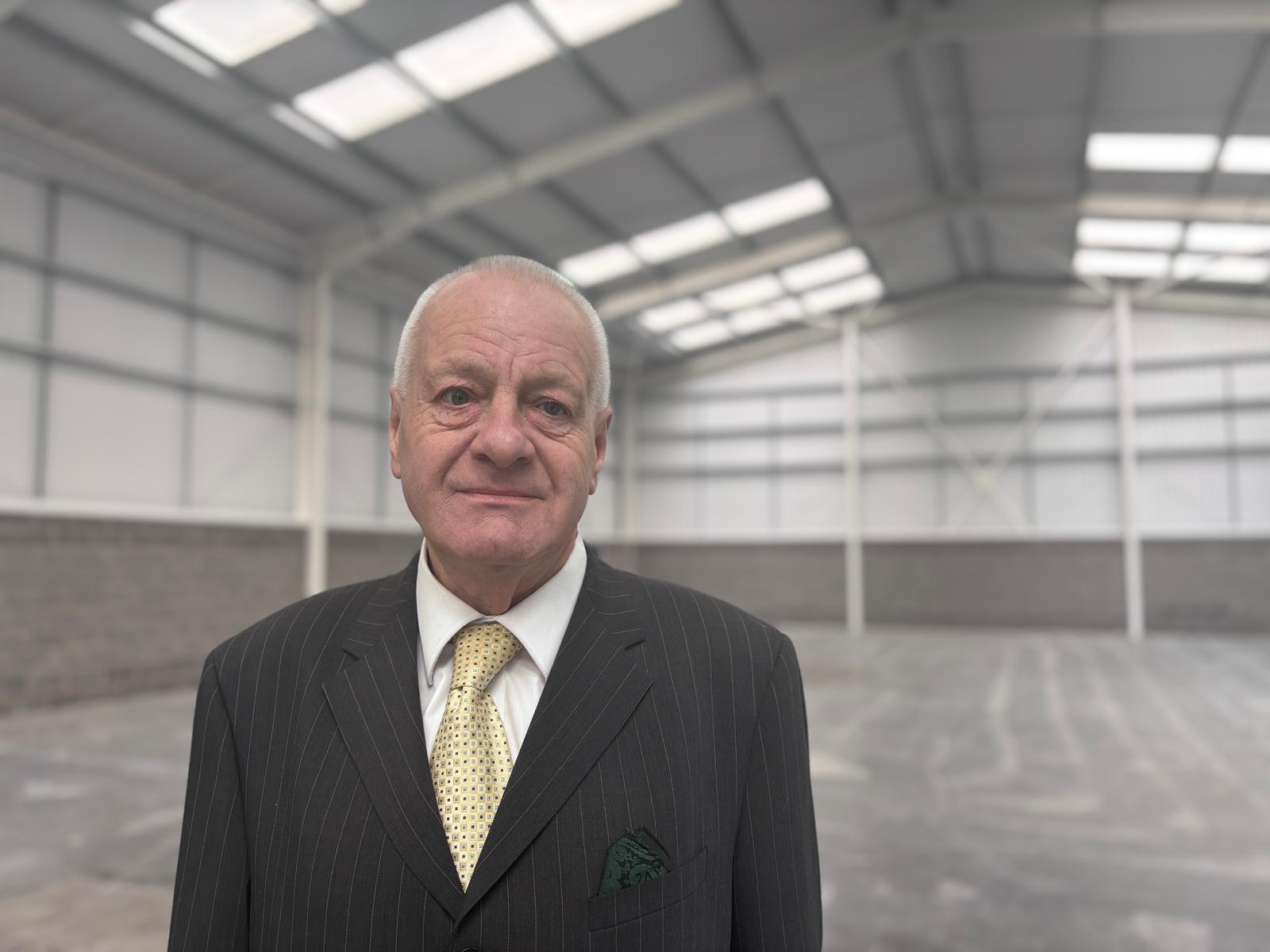
He said that his earliest memories of the site were from when he was about nine years old, when it was almost a “rite of passage” to access the old railway bridges in and around the area, including the “Forty Bridges” near Giltbrook.
He said: “I remember the last trains going over it… for me, it’s nostalgia. We used to swim in the canals, the clay pits. It was informal recreation – we hadn’t got leisure centres back then.
“There is a great need for the viaduct. Modern generations are tested and told what to think from an early age – we’re trying to stimulate their imagination about industrial heritage and the past… to keep that memory alive.”
The leader said the landmark helps educate future generations to “build on the past”, while efforts to bring jobs and investment into the area can be made through “constructive” policy.
Despite the viaduct being a sizeable window to the past, the nearly 150-year-old bridge is offering people “new experiences” in the present.
The wider viaduct site has been regenerated in recent years, with the aim of drawing more visitors and tourism to the area.
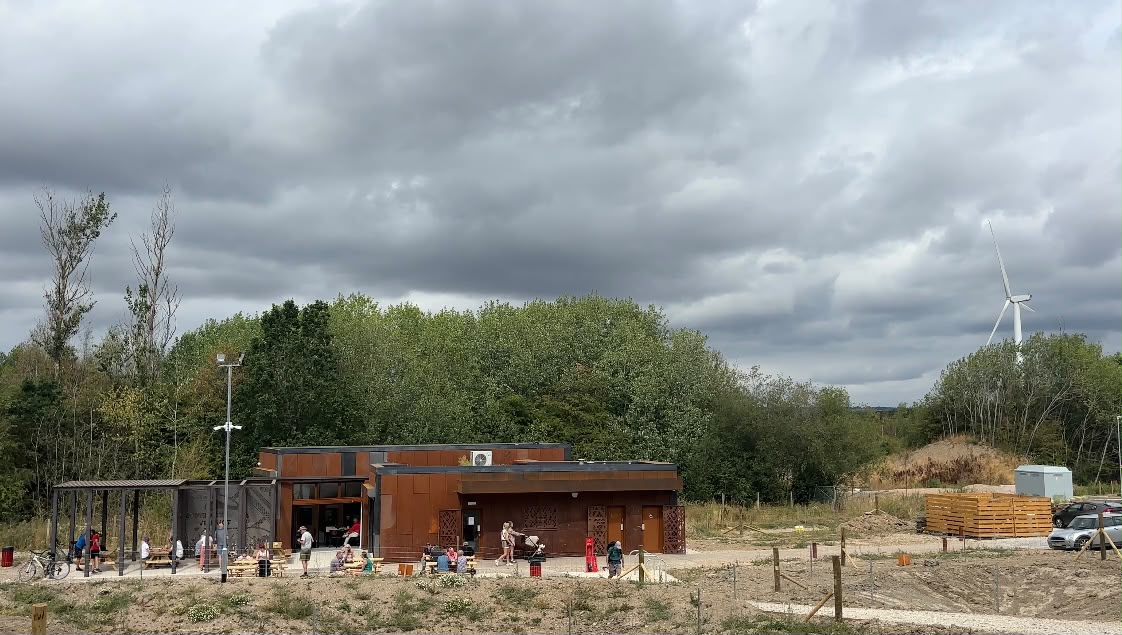
Work began on building the new visitor centre in 2025 and, after a couple of delays, it opened in July 2026, offering visitors a café stop-off. This was only months after five new industrial units opened on the site to help bring investment and jobs to the area.
The fully accessible new ramp path, replacing the steps up to the bridge, opened in February this year, meaning people with mobility issues and those travelling on mobility scooters could easily access the viaduct.
John Crofts, 82, from Sherwood, part of the Gedling Ramblers local walking group, said that it was his fourth time walking over it.
He called it a “very easy and accessible site”, adding: “This is what we’re looking for at our age. We used to do walks which would include a few hills, in Derbyshire, but most people can’t manage that now, so we try to do walks which are called leisurely.
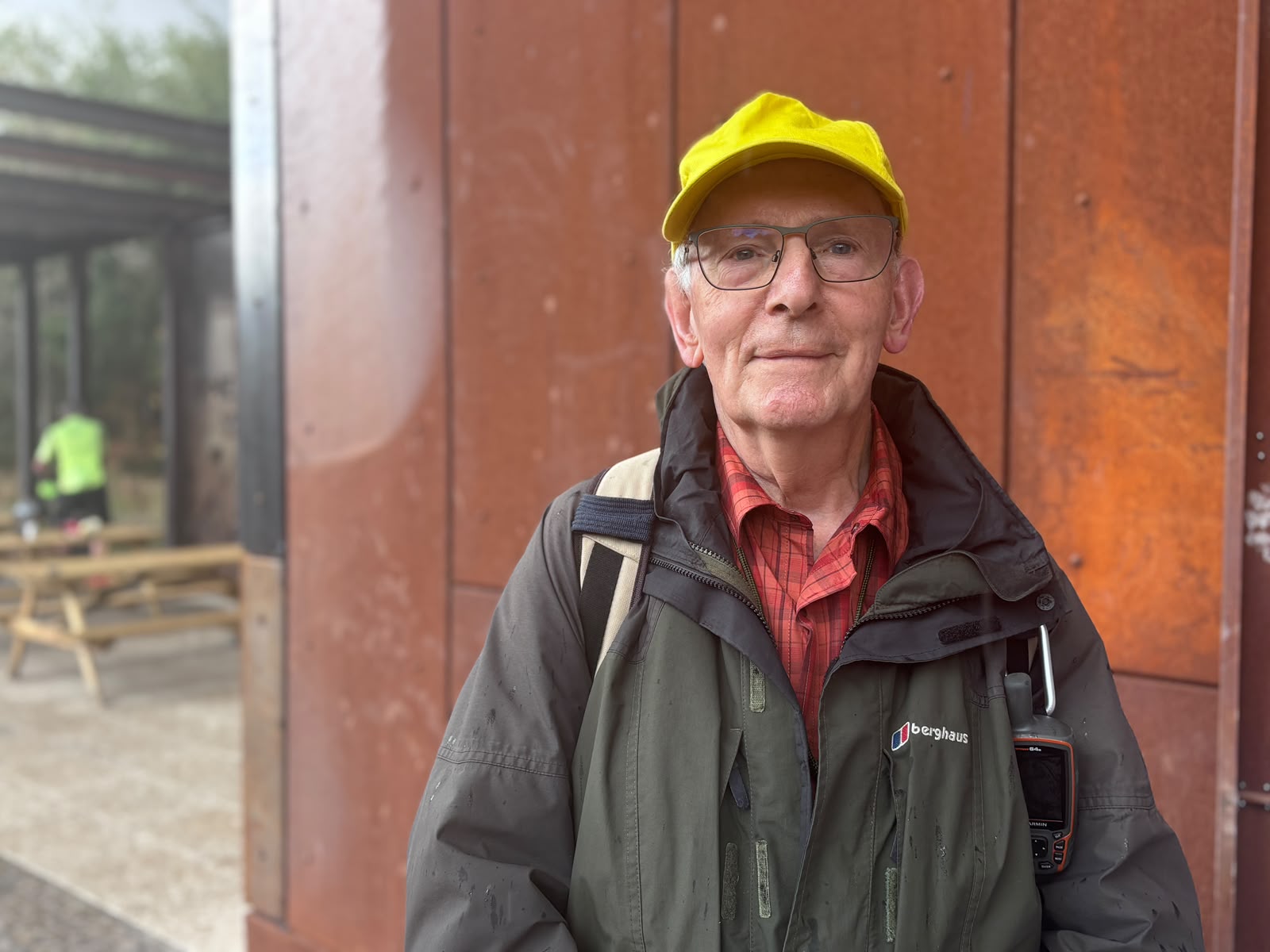
“The big advantage is the new café… When the ramp at this end hadn’t been completed, that wouldn’t have stopped us enjoying the walk, but of course, for people with mobility problems, it would have made a big difference.
“I think it’s a bit like a seesaw; things can be imbalanced, but if it bends very slightly one way, it can make a very big difference to some people, but not necessarily to everybody.”
Adrienne Smith, 77, also part of the walking group, said the Bennerley site was “a new experience altogether” with the addition of the new ramp and visitor centre.
She said: “Walking down the slope, instead of down the stairs, which were all muddy last time I did it, it’s definitely better for people not so good on their legs anymore.
“It’s very much [improved] since last time. You had to go down the steps and, if it was a rainy, muddy day, you’re clinging on – now it’s way more simple. It’s a vast improvement.”
Her husband, Russell Smith, 78, said the new café “has really made it”.
Visiting the site several times since 2022, he said: “It looks nice as well, every bit they’ve done, they’ve done well – they haven’t just bodged it. I like the idea of the trains going underneath as well.”
Bennerley Viaduct is not firmly fixed to the ground – the wrought-iron bridge is kept in place by resting on brick bases and through gravity. This allowed the structure to stay intact despite mining taking place underneath it.
It is one of two wrought-iron viaducts in England still standing today.
Its new £1.1m visitor centre has been funded by Broxtowe Borough Council and the Kimberley Means Business fund, is clad in Corten steel and is designed to reflect the industrial heritage of the historic landmark.
By Lauren Monaghan, Local Democracy Reporter
