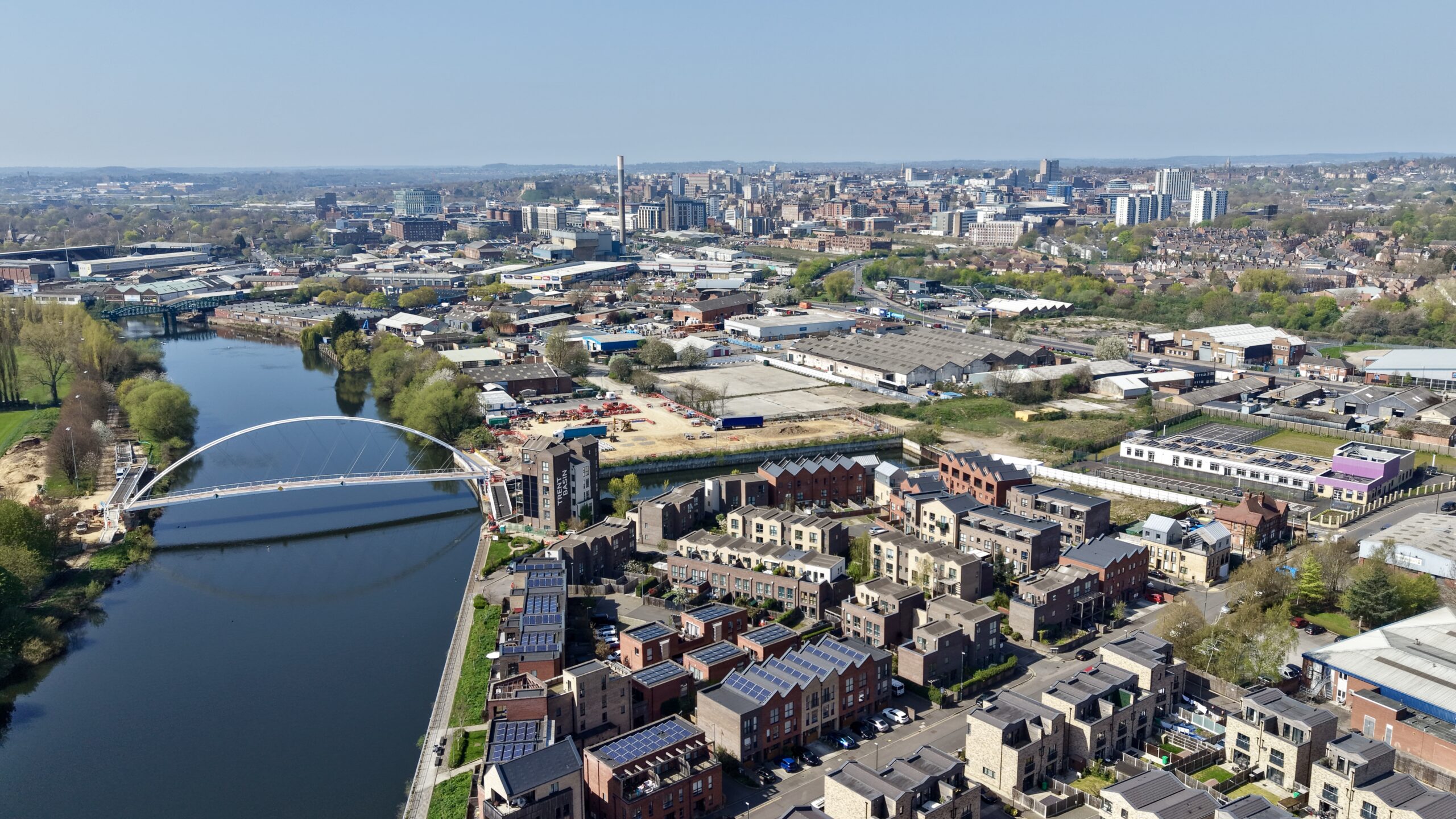
Nottingham City Council has set out a draft long-term vision for the city to 2050, with plans built around more city-centre homes, expanded green spaces, stronger public transport links, new business and innovation districts, and a more coordinated approach to sport, culture and tourism.
The draft Nottingham City Vision 2050, titled Home, Heart, Host, describes the city’s future role as “the proud Home of diverse and healthy communities, the Heart of a dynamic region and the Host of opportunity and global culture and sport”. It is intended to guide growth, regeneration and investment across Nottingham over the next 25 years, with a further Investment Plan and Prospectus expected to set out sites, funding, governance arrangements and delivery responsibilities in more detail.


The document says Nottingham is not “starting from scratch”, pointing to the city’s existing strengths, including its two universities, public transport network, sporting venues, independent culture, historic identity and major regeneration sites. It describes Nottingham as the only Core City in the East Midlands and says the city is central to the region’s wider economic ambitions, including the emerging Trent Arc being brought forward by the East Midlands Combined County Authority.
According to the draft vision, Nottingham has an innovation economy worth more than £11 billion, with strengths in life sciences and healthcare, digital and creative industries, advanced manufacturing, financial and business services, and clean energy and sustainability. However, the document also says the city is not yet making the most of its assets, citing a shortage of Grade A office space, limited housing diversity in the city centre, underused sites, inconsistent connections and public perceptions around safety, cleanliness and identity.

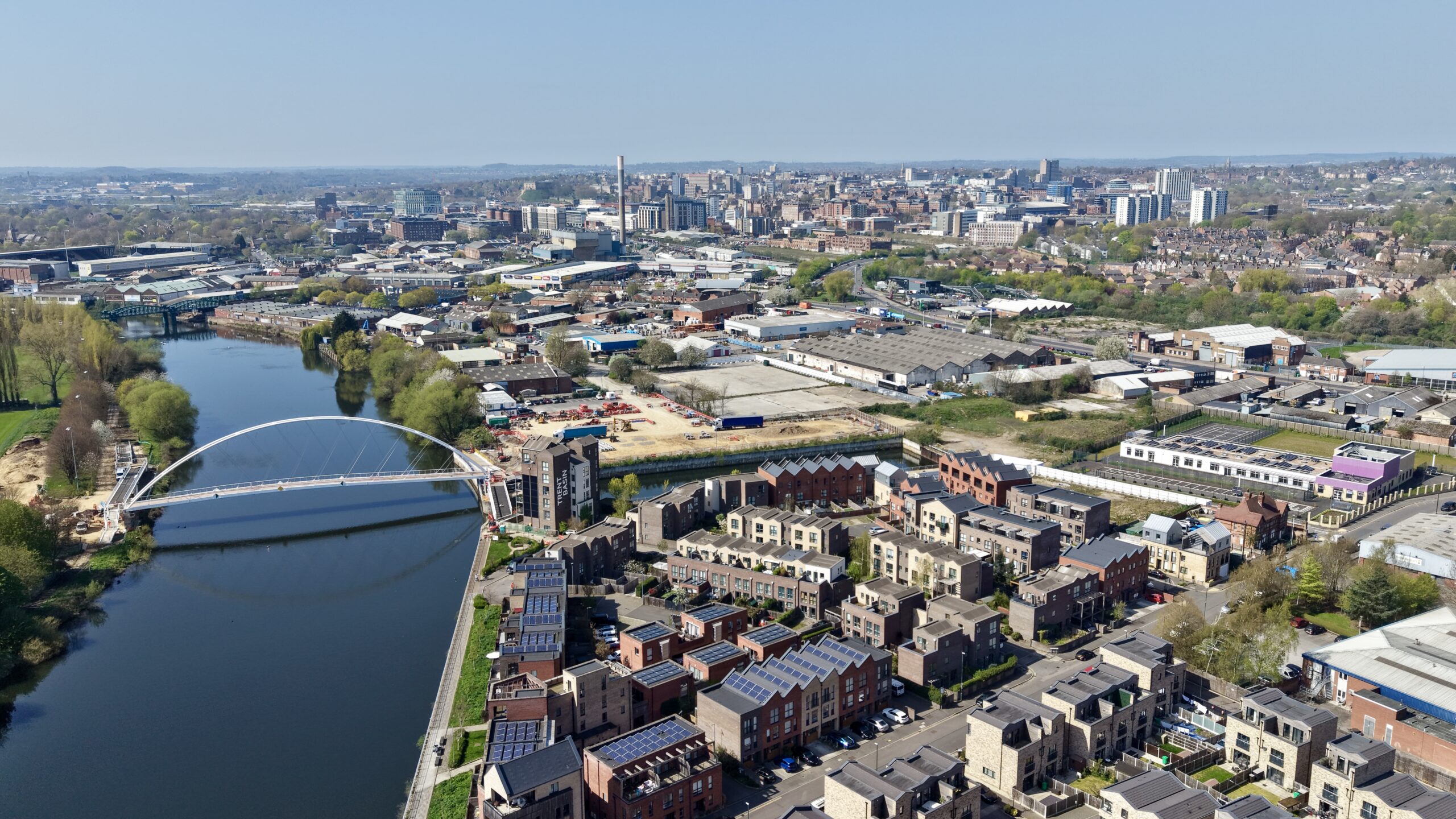
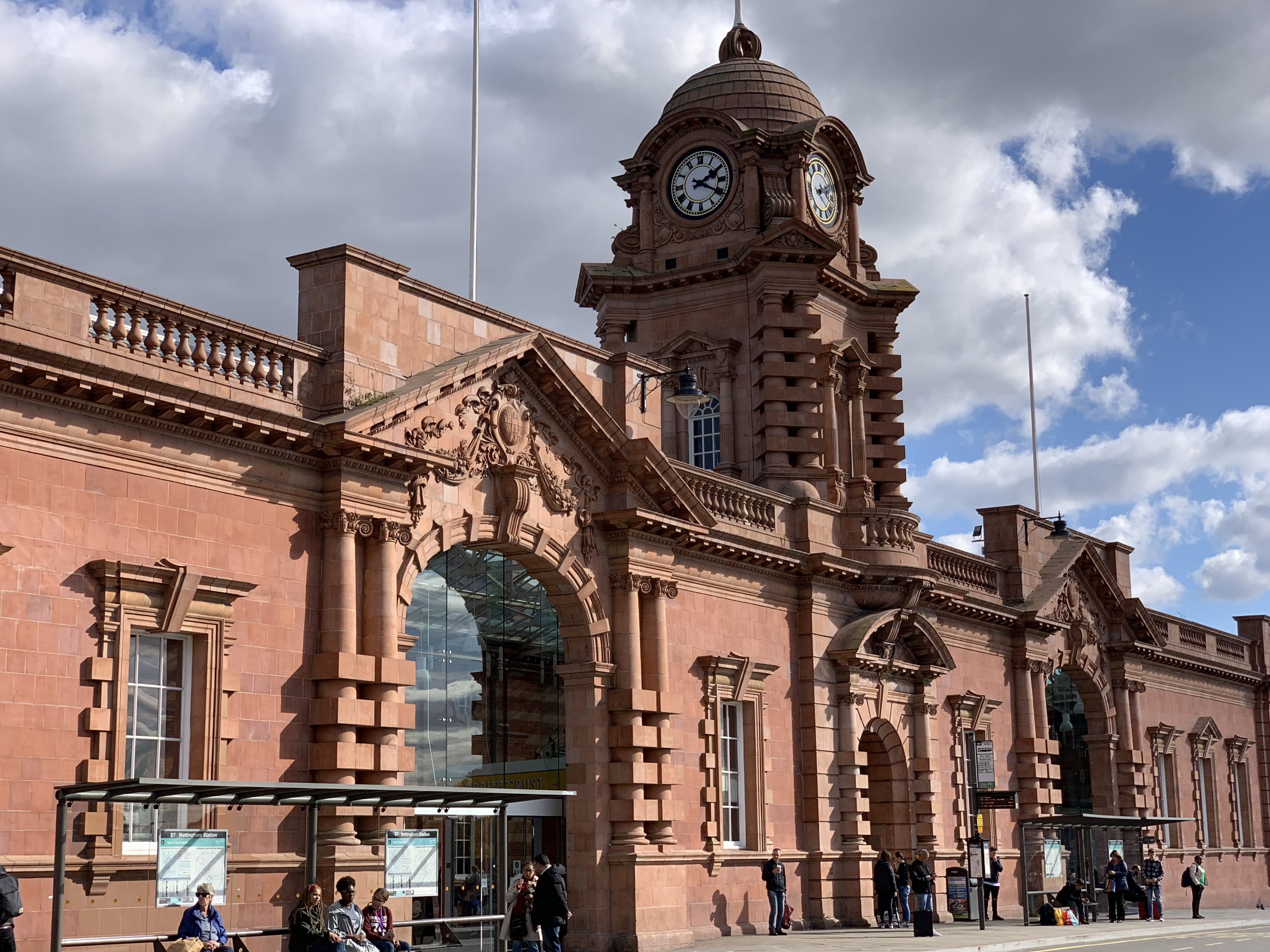
The council says Nottingham is expected to deliver around 27,000 new homes by 2040. A central part of the vision is “Homes in the Heart”, which would focus new housing growth on sustainable city-centre and brownfield locations, including Broad Marsh, the Island Quarter and Waterside. The draft document says around 1,000 new homes could be delivered on and around the Broad Marsh site, with longer-term housing growth focused on newly identified mixed-use regeneration zones at Eastcroft, to the east of London Road, and the Station Growth Zone around and south of Nottingham railway station.
© westbridgfordwire.com
The aim is to increase the number and range of homes in the city centre while reducing reliance on greenfield land across the wider conurbation. The vision says this would also support the city-centre economy, independent businesses, culture and the night-time economy by increasing the number of people living close to jobs, education, services and public transport.

© westbridgfordwire.com
The draft vision also proposes a Nottingham Children’s Forest, described as a city-wide network of rewilded spaces, pocket parks and “mini green hearts” across neighbourhoods and the city centre. This would build on the Green Heart already delivered at Broad Marsh and could include further early green schemes at Old Market Square, Trinity Square and Sneinton Market. The document says Nottingham already has 74 Green Flag parks and more than 20% of the city is public green space, but that greenery is less prominent in and around the city centre.
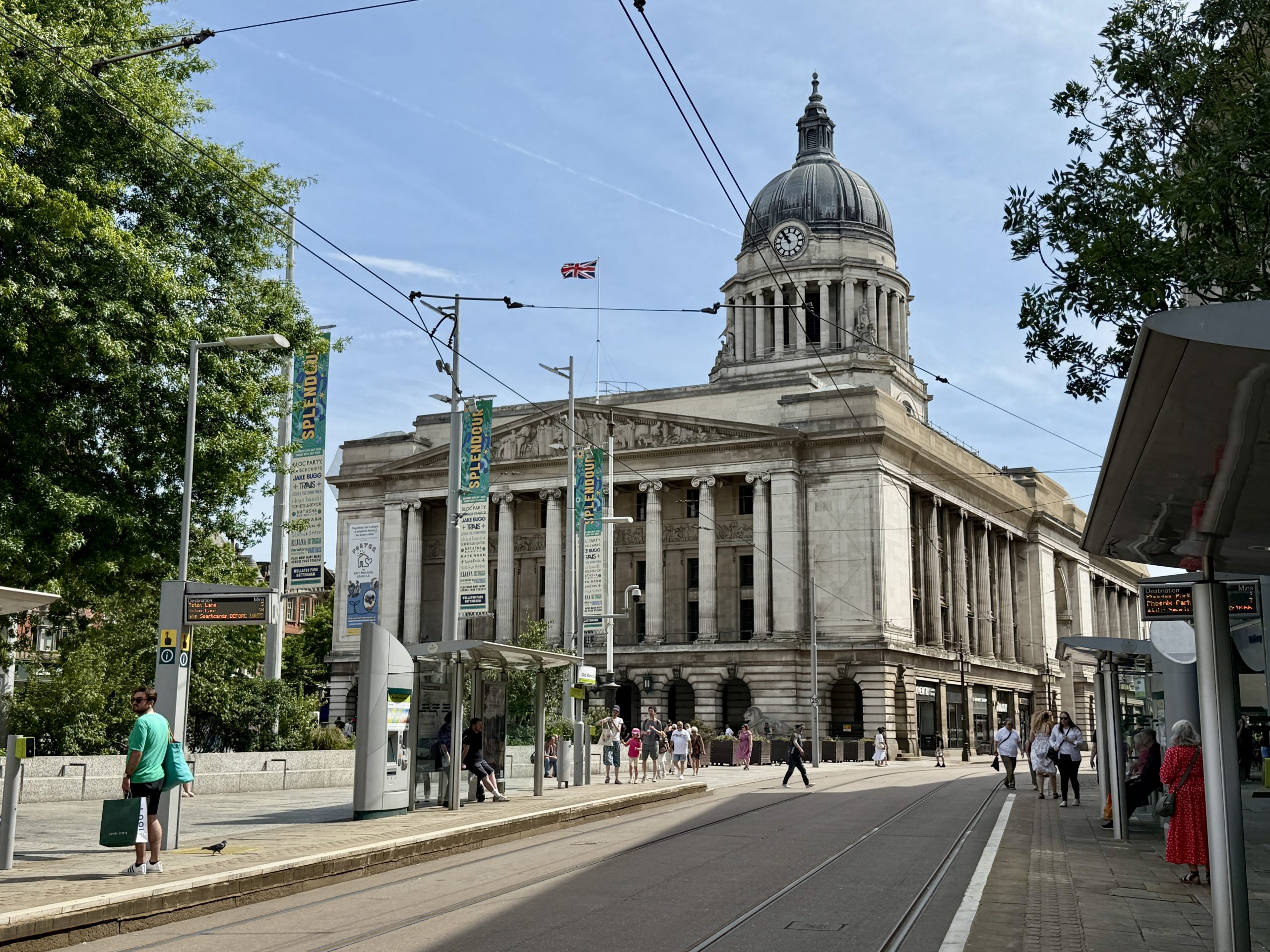
Another major proposal is Nottingham’s Green Grid, a network of active travel and public transport routes intended to improve movement through the city centre and surrounding neighbourhoods. The draft identifies east-west and north-south routes, including connections through Old Market Square, Broad Marsh, the Green Heart, the Lace Market, Lower Parliament Street, Sneinton Market, the Island Quarter, Maid Marian Way and Nottingham Canal. It also says the city will continue to develop plans for tram extensions and upgrades, particularly to serve growth areas linked to the Homes in the Heart proposals.

The vision says Nottingham will continue to lobby nationally for full electrification of the Midland Main Line into Nottingham and for improved rail frequency and journey times to nearby cities including Birmingham, Coventry, Lincoln and Leeds. These ambitions are framed as part of a wider attempt to strengthen Nottingham’s role as a regional and national meeting point.
The draft also includes a “Connected Energy City” proposal, based on renewing and expanding Nottingham’s low-carbon energy systems. It says the city should use its existing clean energy legacy to support new homes, mixed-use districts, public buildings and community assets. By 2030, the document says the city aims to have secured growth in heat networks, established a heat network zone, selected a development partner, and connected regeneration areas including Broad Marsh to what it describes as the “Energy Spine”. By 2050, it says the energy system could be expanded or replicated to serve suburban centres such as Harvey Hadden and university and hospital sites.
For the city’s economy, the vision proposes an integrated Innovation District, anchored by the Canal Innovation Corridor and a southern arc linking Castle Meadow, Station Quarter and the Island Quarter. The document says Nottingham has globally recognised universities, expanding research and development capability, and growth clusters in data, digital media, advanced manufacturing, life sciences and clean technology. It also says these sectors have outperformed major UK cities in GVA growth since 2015.
The draft sets out plans for a Commercial District, focused around the Station Growth Zone and stretching through Canal Street, Carrington Street, Broad Marsh, the Island Quarter and the Canal Innovation Corridor. The document says this is intended to address unmet demand for high-quality Grade A office space and help retain skilled workers and growing firms in the city. By 2030, the council says it wants to establish a partnership board, identify key sites, work with promoters on viability and set new standards for workspace quality, sustainability and design.

View across Carrington Street to Broad Marsh car park and library
A further economic proposal is a Centre for Small Business Innovation, intended to support Nottingham’s independent businesses and creative economy. The vision says Nottingham’s creative and digital economy generates £1.3 billion in GVA and supports 18,000 jobs across more than 2,000 businesses. The proposed centre would link local employers, education providers, designers, digital creatives and entrepreneurs, and would be connected to the Independent Mile and Innovation District concepts.
The Independent Mile is one of the more visible city-centre proposals in the draft vision. It would create a branded route linking Hockley, Sneinton Market, Old Market Square, Castle Quarter and Derby Road, with improvements to shopfronts, lighting, wayfinding, public realm and storytelling. The council says the aim is to strengthen Nottingham’s independent retail, food, drink and leisure offer, while making movement between those areas feel more intuitive, safe and welcoming.
Sport is also presented as a major part of Nottingham’s future identity. The proposed Nottingham Sports Corridor would connect the city’s sporting venues, including the football stadiums, Trent Bridge and the National Ice Centre, and link them more clearly to waterfronts, schools, leisure destinations and public spaces. The document says the corridor forms part of the wider Trent Sport District being promoted by the East Midlands Combined County Authority. It also refers to infrastructure such as the new Waterside Bridge as part of the wider opportunity to use sport to support regeneration, activity, housing and investment.
The draft vision also proposes a “City of Legends” cultural strategy, built around Nottingham’s rebel history, Robin Hood, literary heritage, industrial past, creativity and independent culture. This includes a proposed cultural spine linking the Castle, Lace Market, Hockley, Carrington Street, Broad Marsh and the Trent riverside, alongside a possible annual Nottingham Festival of Creativity and Stories. The document says Nottingham currently lacks a flagship cultural story matching the scale of its innovation, sport and regeneration ambitions.

The council says early work over the next five years would focus on investment opportunities, development sites and “quick wins” linked to the ten proposals. In the following five to 15 years, it expects the cumulative effects of early development and regeneration to be more visible, including progress on the Children’s Forest, the Independent Mile and the Innovation District. By 2050, the document says the aim is for the city centre and surrounding neighbourhoods to have been transformed, with Nottingham acting as a focal point for wider regional change across the Trent Arc and beyond.

The draft makes clear that further detail is still to come. An accompanying Investment Plan and Prospectus is expected to identify key sites, development opportunities, interventions, business cases, funding strategy, delivery organisations, governance arrangements and measures of success. The document also says the ten ideas will be developed in more detail and considered alongside existing and emerging planning policy.
For residents, the proposals could shape where new homes are built, how city-centre streets and public spaces are improved, how neighbourhood centres are regenerated, and how people move between homes, jobs, schools, shops and leisure facilities. For businesses and investors, the vision is intended to present a more coordinated account of Nottingham’s growth priorities and the sites where public and private investment may be focused in the decades ahead.
The draft vision positions Nottingham’s future around three linked roles: a home for healthier and more liveable communities, the economic heart of the East Midlands, and a host for investment, culture, sport and visitors. The key decisions still to follow will be how the ambitions are funded, sequenced and delivered, and how the benefits are spread beyond flagship city-centre regeneration sites into neighbourhoods across Nottingham.
