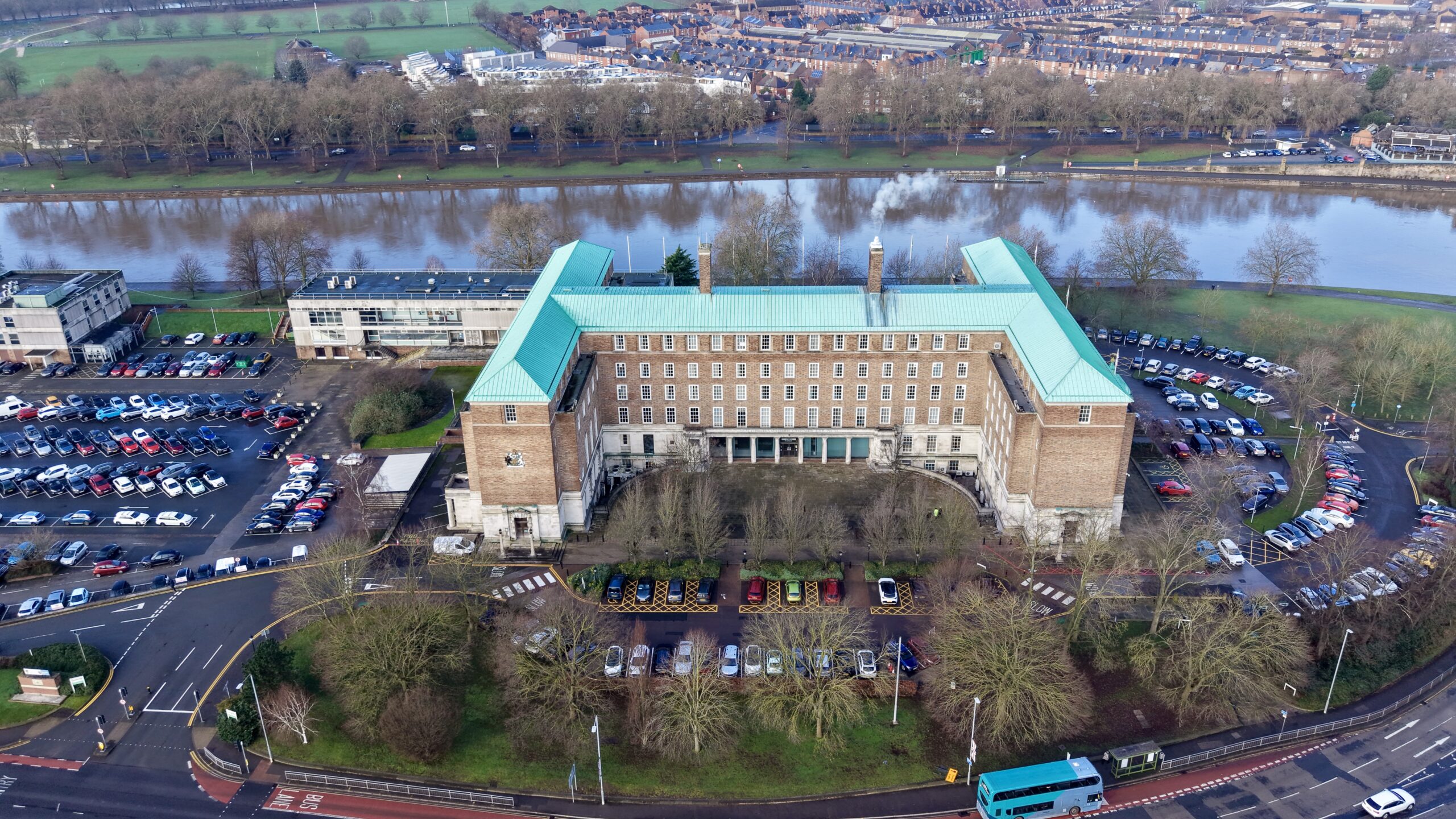
Nottinghamshire County Council is forecasting a £5.4 million overspend against its 2026/27 budget, with rising children’s care costs accounting for most of the pressure.
The authority’s financial monitoring report for the first three months of the financial year shows forecast spending of £885.4 million against a net budget requirement of £880 million.


The position has worsened since the previous monitoring period, when the projected overspend stood at £1.5 million.
The largest pressure is within the Children and Families portfolio, which is expected to exceed its £197.8 million annual budget by almost £3.6 million.
Council officers said this was mainly due to an increase over the past year in the number of children placed in external children’s homes. The insolvency of a provider operating a block contract for semi-independent accommodation in late 2025 has also contributed to the additional cost.
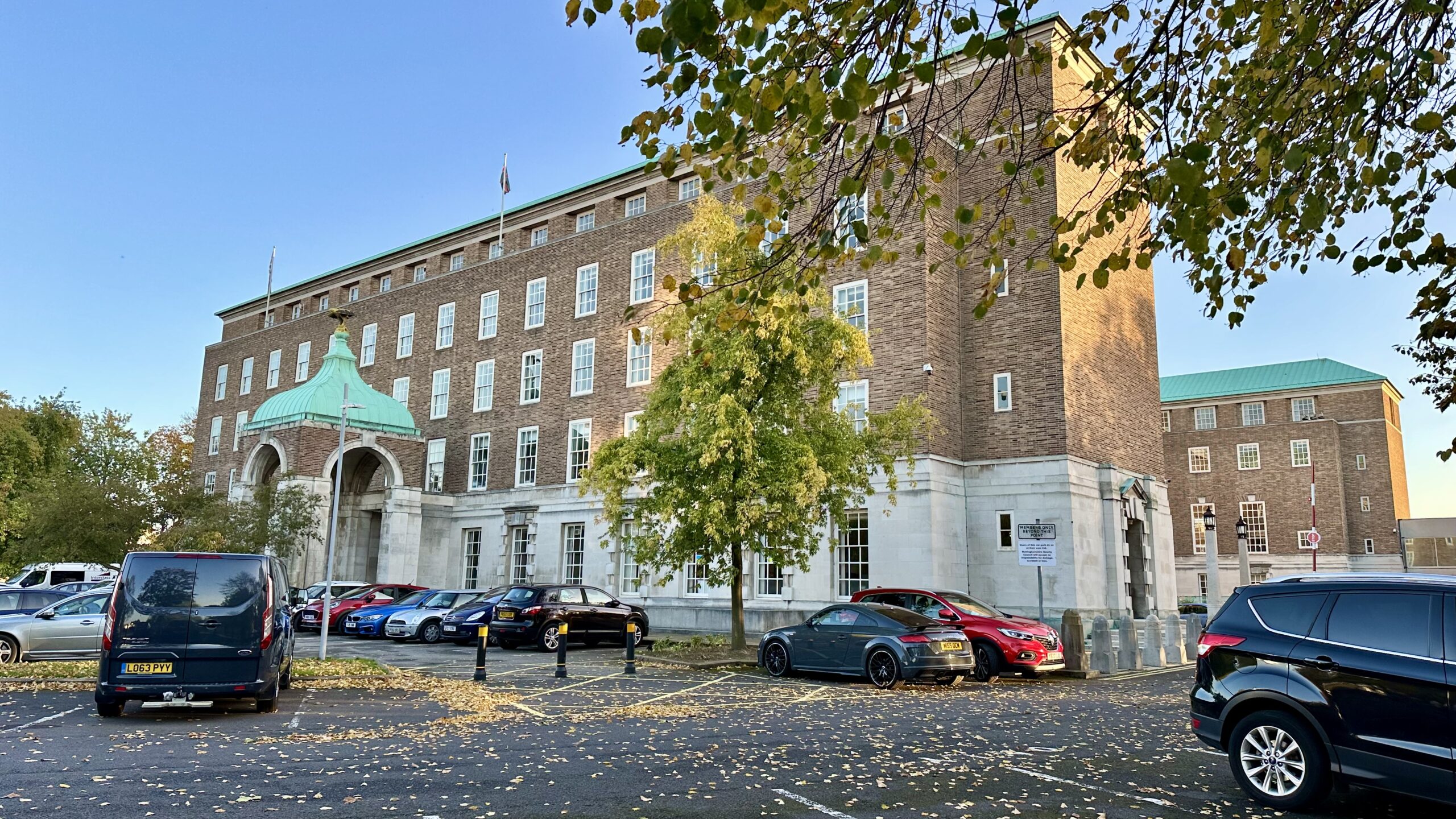
© westbridgfordwire.com
The department is forecasting that it will deliver £5.8 million of previously planned measures intended to reduce financial pressures, but these will not be enough to eliminate the overspend.
Further work includes increasing the number of children placed with the council’s own foster carers, reviewing high-cost placements and developing services intended to reduce the number of children entering care.
Officers are also reviewing how several grants can be used, including funding for Families First, Experts at Hand and Best Start. However, the report acknowledges that using grant funding in this way may provide only a short-term response rather than a permanent solution to the underlying budget pressures.
A £100,000 underspend in other children’s services is partly offsetting the additional placement costs. This is linked to lower-than-expected spending on agency social workers and long-standing vacancies within Family Hubs and the Early Years Service.
The council’s Education and SEND portfolio is forecasting a separate £680,000 revenue overspend, largely because of pressures within its statutory special educational needs and disabilities service.
Economic Development and Asset Management is expected to overspend by almost £1.2 million. This includes an estimated £600,000 pressure caused by higher property maintenance costs and vacant or surplus council buildings.

A further £500,000 is forecast for planning consultants and technical specialists connected with the appeal decision involving the Barton in Fabis quarry planning application. Officers intend to bring a request for contingency funding to a future financial monitoring report to cover those costs.
Smaller variations elsewhere include a £121,000 overspend in Transport and Environment. These are partly offset by forecast underspends in Communities and Public Health, Finance and Resources, and the Deputy Leader and Transformation portfolio.
The council established a £5 million general contingency when its budget was approved in February 2026, alongside a further £10.9 million provision for uncertain demand and inflation costs, including the unresolved local government pay award.

Requests totalling £3.9 million have already been approved from that contingency. The latest forecast assumes that all of the remaining contingency will be required during the year.
The financial position does not include the council’s growing Dedicated Schools Grant deficit, which is accounted for separately under current national rules.
Nottinghamshire ended 2025/26 with a cumulative £39.8 million deficit on the grant. The council is now forecasting that spending on the High Needs block, which supports children and young people with SEND, will exceed this year’s £138.9 million funding allocation by £68.8 million.
The report says councils are temporarily permitted to keep these deficits outside their main revenue accounts through a statutory override.
The Government has said it will resolve 90 per cent of the High Needs deficits accumulated by councils up to the end of March 2026, provided each authority submits a SEND Reform Plan which is approved by the Department for Education.
Nottinghamshire has submitted its plan. If it is accepted, the county council could receive up to £35.8 million towards its deficit at the end of 2025/26.
Further arrangements for deficits accumulated during 2026/27 and 2027/28 have not yet been announced. From April 2028, the Government has said councils will no longer be expected to meet future SEND costs from their general funds.
Nottinghamshire has also received £6 million through the Experts at Hand grant for 2026/27, while mainstream schools will receive individual allocations from a new Mainstream Inclusion Fund to support the national SEND reforms.
Alongside its day-to-day spending, the council has revised its capital programme from £173.2 million to £244.1 million following the transfer of projects and funding from the previous financial year. However, only £223.6 million is currently expected to be spent by the end of March 2027.
Around £7.4 million of planned special school investment has been moved back following the Government’s SEND reform announcements.
A further £4.9 million allocated to the Outwood Portland Academy project will be moved into the next financial year. Updated pupil forecasts and a revised assessment of the academy’s capacity required the scheme to be redesigned, delaying it by six months.
Spending of £4.7 million from the council’s building and office rationalisation programme has also been delayed. The report says some of this work was placed on hold while the Government considered the future structure of local government in Nottinghamshire.
The Government has since selected a reorganisation model under which the county council, Nottingham City Council and the seven district and borough councils will be replaced by two new unitary authorities. The financial report does not set out what will now happen to the delayed property projects.
Forecast borrowing for 2026/27 has risen from £70 million to £90 million, partly following the repayment of the council’s final two Lender Option, Borrower Option loans earlier this year.
The council is also forecasting £33.8 million from property and land sales during 2026/27. Of that amount, £13.3 million has either been received or contractually secured.
Officers warned that the forecast relies on several large transactions and that delays to only two or three sales could cause receipts to fall below expectations.
The authority’s General Fund balance stood at £36.9 million when it was approved by Cabinet in July, equivalent to 4.2 per cent of its net annual budget.
The report does not propose immediate reductions to services or changes to council tax. It reinforces the instruction to departments to control expenditure and deliver savings wherever possible.
