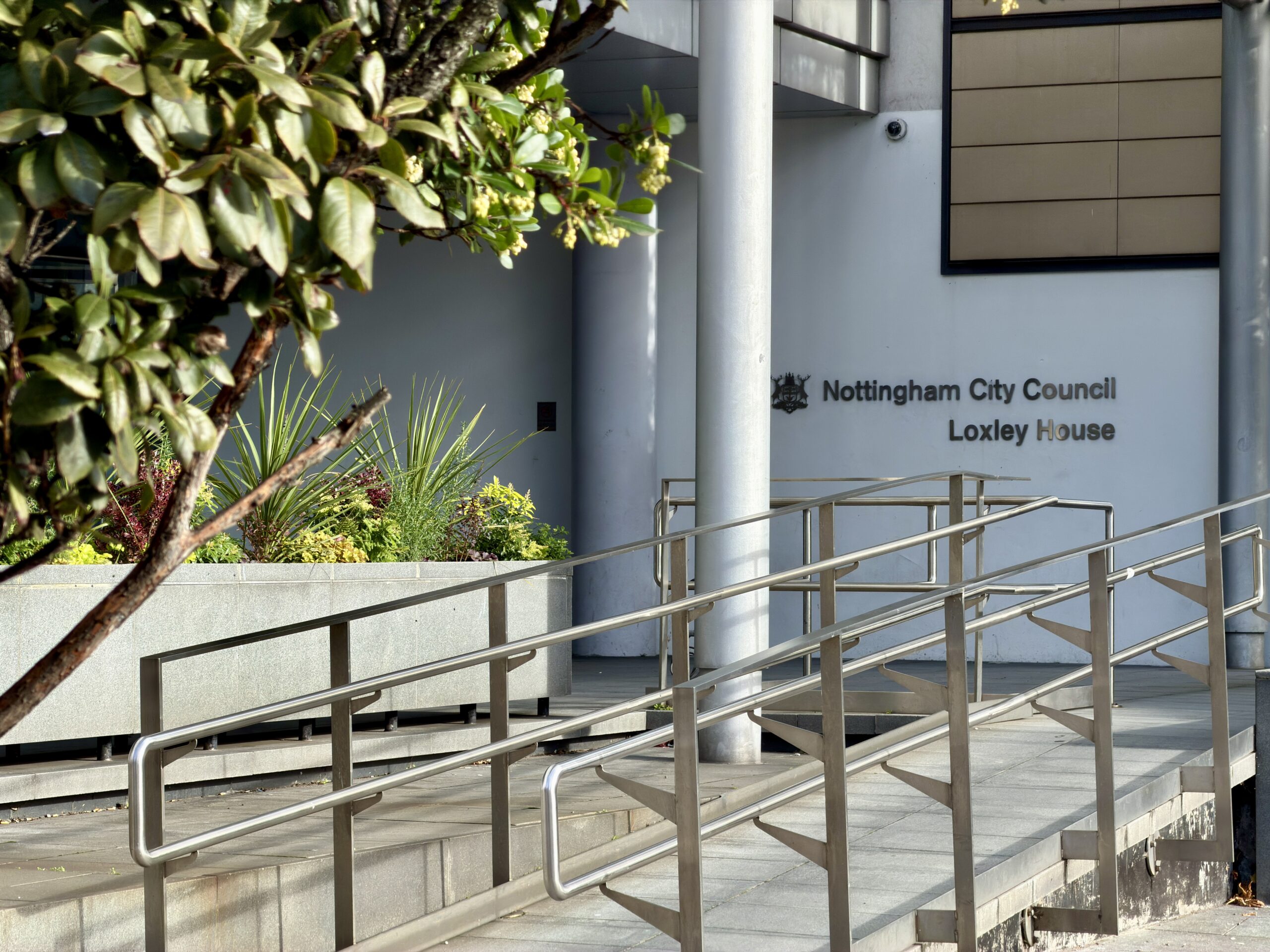
A firm that has been checking whether Nottingham taxpayers’ cash is being spent properly has been questioned over whether it is providing value for money.
The financial accounts of public organisations, such as councils, have to be reviewed by audit firms to make sure money is being managed correctly.


This work had been done by the public-sector Audit Commission until it was abolished under the Conservative and coalition government in 2015, and audits have since been outsourced to private accounting firms.
However, in the years since, a significant backlog has built up.
Consequently, the few private firms that said they were up to the task have come under intense scrutiny.

In Nottingham, Grant Thornton has been reviewing the city council’s accounts dating back years, but they are all being signed off without full assurance that everything is in check due to the backlog of work and the complexity of the task.
The fees for this incomplete work, while not set by the firms themselves, are currently almost £650,000 for the year, with any additional work coming at an extra cost too.
Comparatively, in Leicester, the city council was charged £425,513 for the audit of its accounts for 2024/25.
Derby City Council paid £615,000 to Ernst & Young and Forvis Mazars LLP, but this fee covered two years, 2023/24 and 2024/25, due to audit delays.
Newcastle City Council, an authority which covers an area with roughly the same population, was charged £450,000 for its 2024/25 audit.
At an audit committee meeting on Friday (26 June), Cllr Sam Gardiner (Lab) questioned whether Grant Thornton was allocating sufficient resources to the council to review its accounts to a high enough standard.
He said: “What does Grant Thornton have to say to the people who say it has taken on too many national contracts, been too greedy, and achieved a really big portfolio of clients as a private company, and made £188 million in profit in the UK last year, and that Grant Thornton is choosing profit over providing enough resources to undertake the required work?
“Some might say and put forward that you have an elongated remediation plan here. You also have a big annual fee from Nottingham City Council, you achieve over £188 million in annual profit, and yet you are not providing the public with value for money.”
Responding, Grant Thornton’s representative, Laurelin Griffiths, said audit fees are set by the Public Sector Audit Appointments (PSAA), a not-for-profit company responsible for appointing an auditor and setting its fees for relevant authorities that have chosen to opt into its national scheme.
She added: “Our audit fee is not set by us; it is set by Public Sector Audit Appointments, and I think it is worth noting that if we had charged the council based on PSAA’s hourly rates last year, it would have come to £1.2 million because of the number of hours we put into this audit.
“So we do adequately resource the audits. We have a full team assigned to this audit, which should be more than enough resource to deliver it. Even given the complexities and scale of work in Nottingham, that should be enough resource to complete this audit.”
The council’s leadership and a senior officer have previously raised issues with the auditor’s work, arguing that the auditing of local government is in a “mess” after it was effectively privatised.
The backlog in audited accounts became so severe between 2022 and 2023 that just one per cent of local public bodies published audited accounts on time.
In response, the Government set a series of new deadlines to clear the backlog and allow the system to recover.
However, this means a significant number of councils will have their accounts signed off despite not being fully reviewed.
Despite the problems, the authority’s corporate director of finance, Stuart Fair, says he is putting his own professional reputation on the line by providing assurance that everything is in check.
By Joe Locker, Local Democracy Reporter