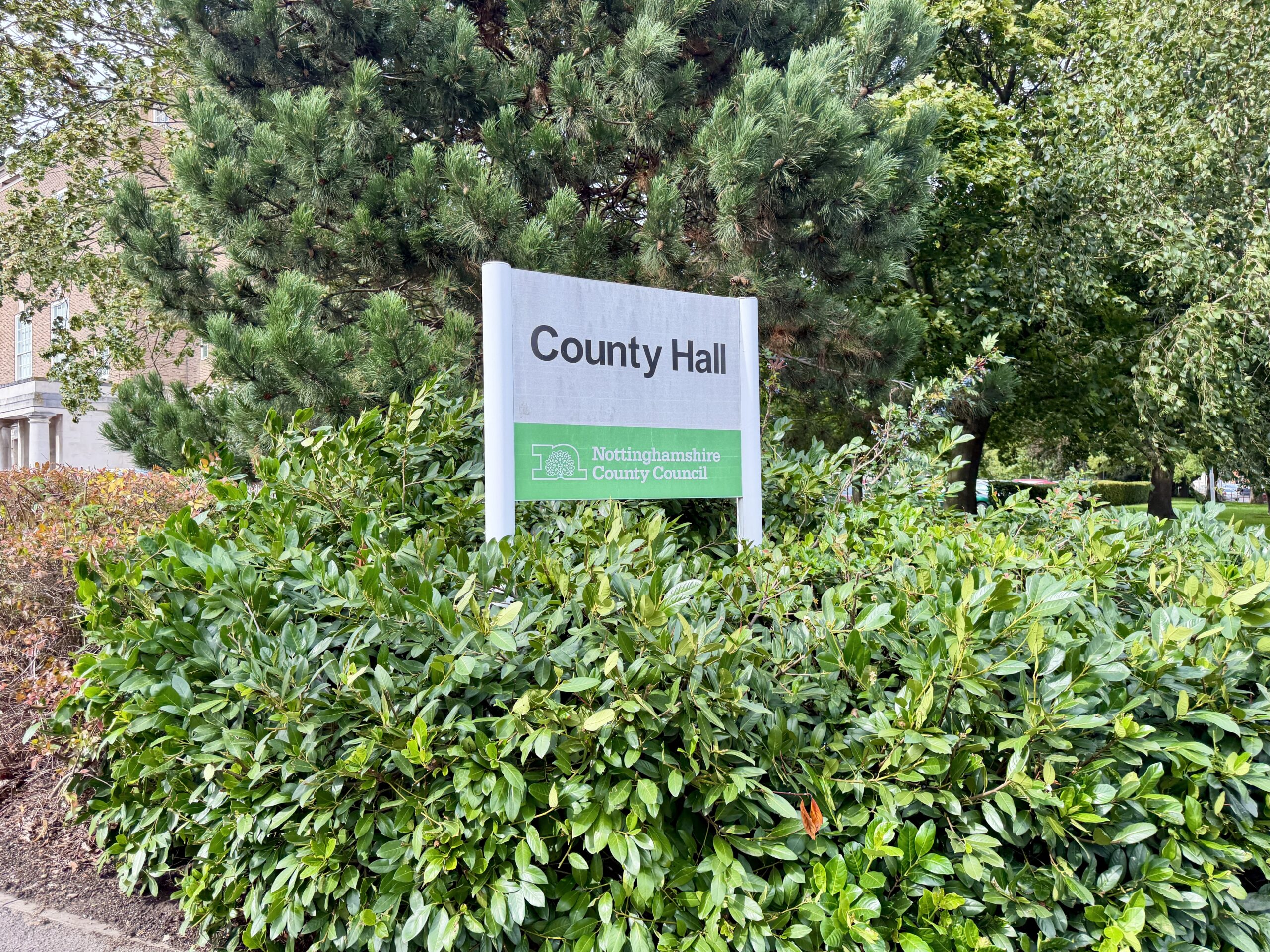
Nottinghamshire County Council has been found at fault in 13 cases investigated by the Local Government and Social Care Ombudsman since March, including seven involving Special Educational Needs and Disabilities services.
A report going before the council’s Audit and Governance Committee on Wednesday 14 October shows the Ombudsman made decisions on 45 cases involving the authority between March and September 2026. Nottinghamshire County Council itself received and managed 608 complaints during that period.


Of the 45 Ombudsman decisions, 29 cases were not investigated further. The Ombudsman investigated 16 cases, finding no fault in three and fault in 13.
Nine of the cases where fault was found related to children’s services, including seven concerning SEND.
According to the council report, recurring faults in the seven SEND cases included failures to secure provision specified in Education, Health and Care Plans, delays in EHC Plan processes and problems arranging alternative education for children unable to attend school.
The report says there were cases involving missed special-school placements and failures to provide agreed physiotherapy, occupational therapy, music therapy, communication aids and other EHC Plan provision.
Two children experienced significant periods with little or no education after placements broke down or they were absent from school for prolonged periods, according to the report. Other shortcomings included inadequate monitoring of whether provision was actually being delivered and insufficient oversight when commissioned providers left or arrangements broke down.
The Ombudsman also identified delays in issuing amended EHC Plans, acting after annual reviews, planning post-16 transitions and funding equipment. Problems with complaint handling, communication and recording decisions were also highlighted.
The report says the consequences for families included missed education and specialist support, uncertainty over future provision, distress and additional time spent pursuing matters with the council.
Financial remedies across the seven SEND cases ranged from £300 to £4,800 and totalled £11,350.
The council was also required to apologise in cases and make service changes including reviewing procedures, improving oversight of EHC Plan provision, ensuring annual reviews and post-16 planning take place on time and strengthening decision-making and record-keeping.
Nottinghamshire County Council says it recognises the impact of poor practice on the children, young people and families involved.
The authority says it currently has just under 7,000 EHC Plans and has issued 166 more than at the same point last year. The report describes this as a 27% increase. It says the seven Ombudsman fault findings represent about 0.1% of the children and young people with whom the SEND service works.
The council launched a redesign of its statutory SEND service in January 2026 and says the seven cases covered by the Ombudsman investigations relate to matters predating the redesigned service because of the time investigations can take.
The authority also points to its wider SEND Reform Plan as part of ongoing work to improve services.
In another children’s services case, the Ombudsman found the council had used its general corporate complaints procedure when a complaint should have been dealt with under the statutory children’s social care complaints process.
The complaint concerned social care support for a child with additional needs. The Ombudsman did not investigate the merits of the underlying decisions about support, but found fault in the way the complaint itself was handled.
The council was required to apologise, pay £200 and undertake a Stage 2 statutory complaint investigation. That subsequent investigation has since concluded, with the council reporting that the original children’s services decisions were sound and that further support was recommended for a housing application.
A further children’s case concerned a pupil who was unable to attend school because of anxiety and poor attendance.
The Ombudsman found no fault in the council’s handling of the child’s education between January and June 2025, but found fault after the authority delayed arranging alternative educational provision by several weeks in June 2025.
It also failed properly to consider increasing provision from September 2025, despite the child engaging with five hours a week of home-based education. The Ombudsman concluded this caused a loss of educational opportunity and frustration for the child’s mother. The council apologised and paid £750.
Fault was also found in four adult social care cases.
One concerned a delay of around three-and-a-half months in completing a financial assessment after it had been agreed that a resident would remain permanently in a care home. The Ombudsman found no fault with the underlying care needs assessment, but said the delay caused distress and uncertainty. The council apologised.
In another case, the council had concluded that a woman had deliberately deprived herself of assets to avoid future care charges. The Ombudsman found the council had considered whether she could reasonably have expected to need care when money was given away, but had failed properly to consider the separate question of whether she could reasonably have expected to have to pay for that care.
The council subsequently reconsidered the issue and reminded staff that both tests must be assessed and recorded.
A third case involved care provided in a commissioned care home. The Ombudsman found that the provider had failed consistently to monitor a resident’s bowel movements in accordance with her care plan and that responses to her daughter’s concerns had sometimes been dismissive.
The council was not found at fault over its handling of safeguarding concerns, but was criticised for poor record-keeping, including failures to properly minute meetings. Payments of £500 were required for both the mother and daughter.
The fourth adult social care case related to a week of respite care at Berry Hill Park Care Home for a man with dementia.
The Ombudsman found faults including failures to follow an agreement over bed rails, properly record and communicate care decisions, clarify medication instructions promptly, tell the family about redness to the resident’s skin and seek out-of-hours medical advice when needed.
The council was required to apologise to the daughter and pay £300. The authority says it has also carried out an additional visit to the home and put monitoring checks in place.
Across the cases covered by the report, financial payments total £13,600, with £12,300 being charged to the Children and Families budget and £1,300 to Adult Social Care.
The Ombudsman is an independent service which considers complaints after they have first gone through a council’s own complaints procedure. It cannot overturn a council decision simply because a complainant disagrees with it, but can find fault where there has been poor service, delay, bad advice or another administrative failure which has caused an injustice.
Members of the Audit and Governance Committee are being asked to note the findings, the lessons identified and the actions being taken in response. No further decision on the individual cases is being sought at the meeting.
