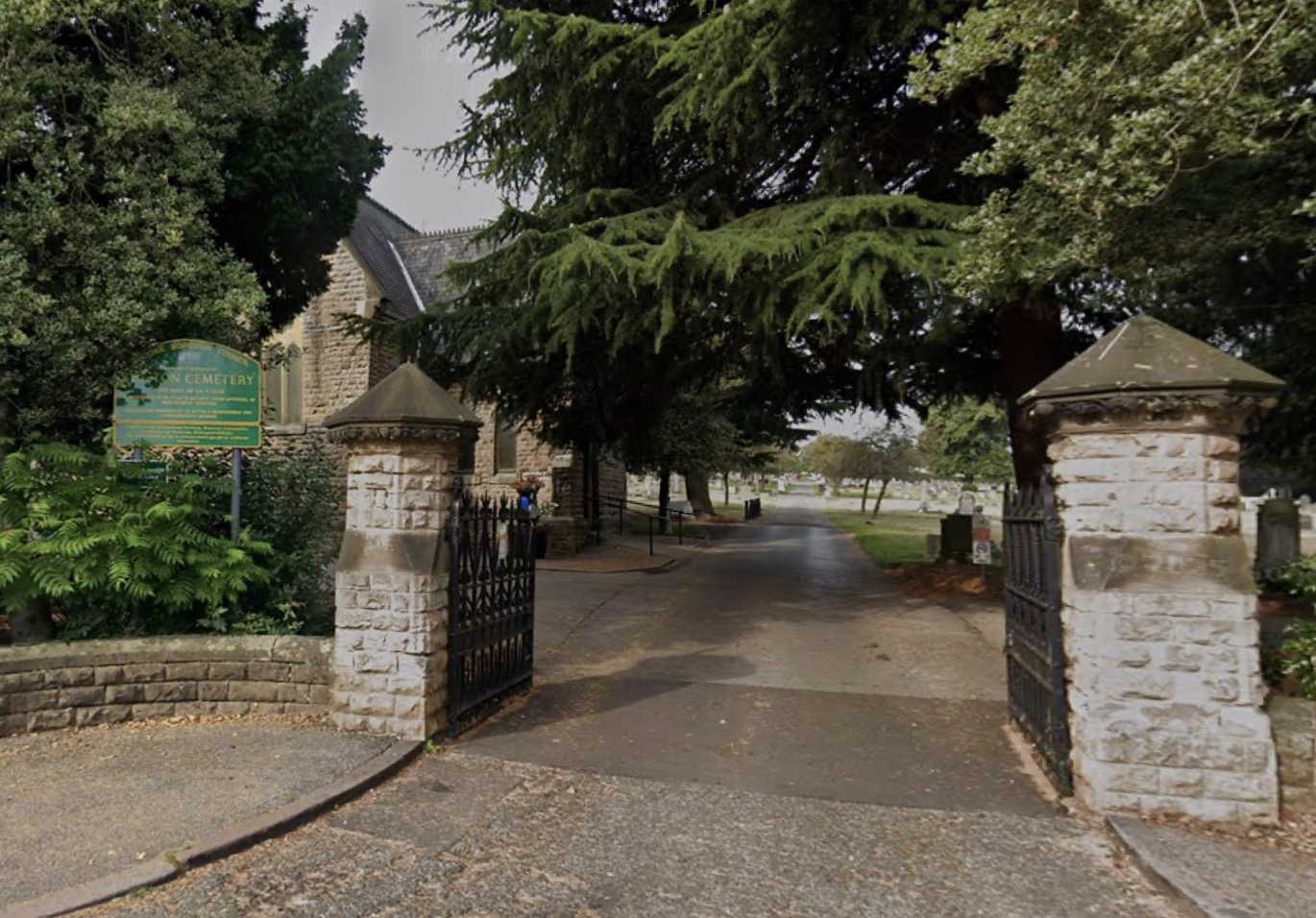
Broxtowe Borough Council is considering changes to how cemetery memorials are managed following a detailed scrutiny review that examined safety, accessibility, enforcement, and the experiences of bereaved families across the borough.
A report by a task and finish group of the council’s Overview and Scrutiny Committee sets out recommendations that could allow more extensive graveside memorials within defined limits, while retaining controls to address health and safety, maintenance, and equality concerns.
The findings will inform future decisions by the council’s Cabinet on whether to amend existing cemetery rules and regulations.


The review was commissioned after a prolonged period of debate about unauthorised memorials in council-run cemeteries, particularly following proposals to remove non-compliant memorials that were considered by Cabinet in June 2025 but deferred to allow further scrutiny.
Discussions around enforcement had intensified from 2019 onwards, after years in which rules had not been consistently applied, partly due to the Covid-19 pandemic and ongoing policy review.
The report explains that cemetery memorials that fall outside the council’s rules have become increasingly common nationally, especially since the pandemic, with councils across the UK grappling with how to balance compassion for bereaved families with statutory responsibilities for safety and accessibility. In Broxtowe, the task group found that low levels of enforcement had contributed to widespread confusion about what was permitted and how rules would be applied.
Evidence gathered by the group highlighted sharply differing views among residents. Some grave owners argued that memorials should be allowed to remain and criticised what they perceived as inconsistent communication and enforcement, while others supported stricter application of the rules, saying that unauthorised memorials created unfairness and barriers to access for people with mobility difficulties.
The report notes that of more than 9,000 graves in the borough, an estimated 6–7 per cent were in breach of the rules to some extent, and that only a small number of residents had made formal complaints or regularly engaged with the council on the issue.
Officers told the review that unauthorised memorials create practical difficulties for grounds maintenance, cemetery management, and burial operations, as well as potential risks for visitors and staff. Concerns included trip hazards, obstacles for people with disabilities, damage to equipment, disruption during burials, and the council’s potential liability if injuries occur on council-owned land. The report also highlights the council’s legal duties under health and safety legislation, equality law, and cemetery regulations, and the potential implications for insurance and financial risk if hazards are not adequately controlled.
The task group concluded that while the council must continue to prioritise safety and accessibility, it may be possible to permit limited forms of graveside memorialisation under controlled conditions. It recommends allowing memorials and memorial gardens on leased grave plots up to a maximum length of one metre from the headstone, subject to approved materials, the absence of prohibited items, and appropriate kerbing installed to agreed standards. Under the proposed approach, new graves would be subject to the one-metre limit, while older graves with larger memorials could retain them until the grave is reopened, at which point they would need to comply with the new rule.
Other recommendations include reviewing the list of prohibited items, strengthening communication with grave owners, providing clearer information about cemetery rules at the point of interment, and considering additional funding or operational changes if new arrangements increase maintenance demands. The group also suggests exploring designated memorial areas, improved engagement with funeral directors, and potential support for bereaved families, while emphasising that any changes must be accompanied by robust health and safety controls.
The report makes clear that no final decision has yet been taken on changing the rules. Cabinet will need to consider the recommendations and any associated legal, financial, and operational implications before determining whether to amend the council’s Cemetery Rules and Regulations.
