
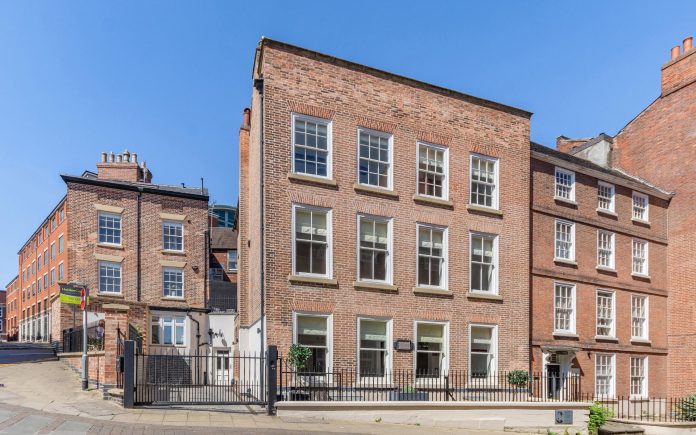
A Nottingham home which was once the residence of the renowned Romantic poet, Lord Byron, has been brought to the market by Savills.
76 St James’ Street, a magnificent Grade II listed residence in the heart of Nottingham is now available for sale with a guide price of £850,000.
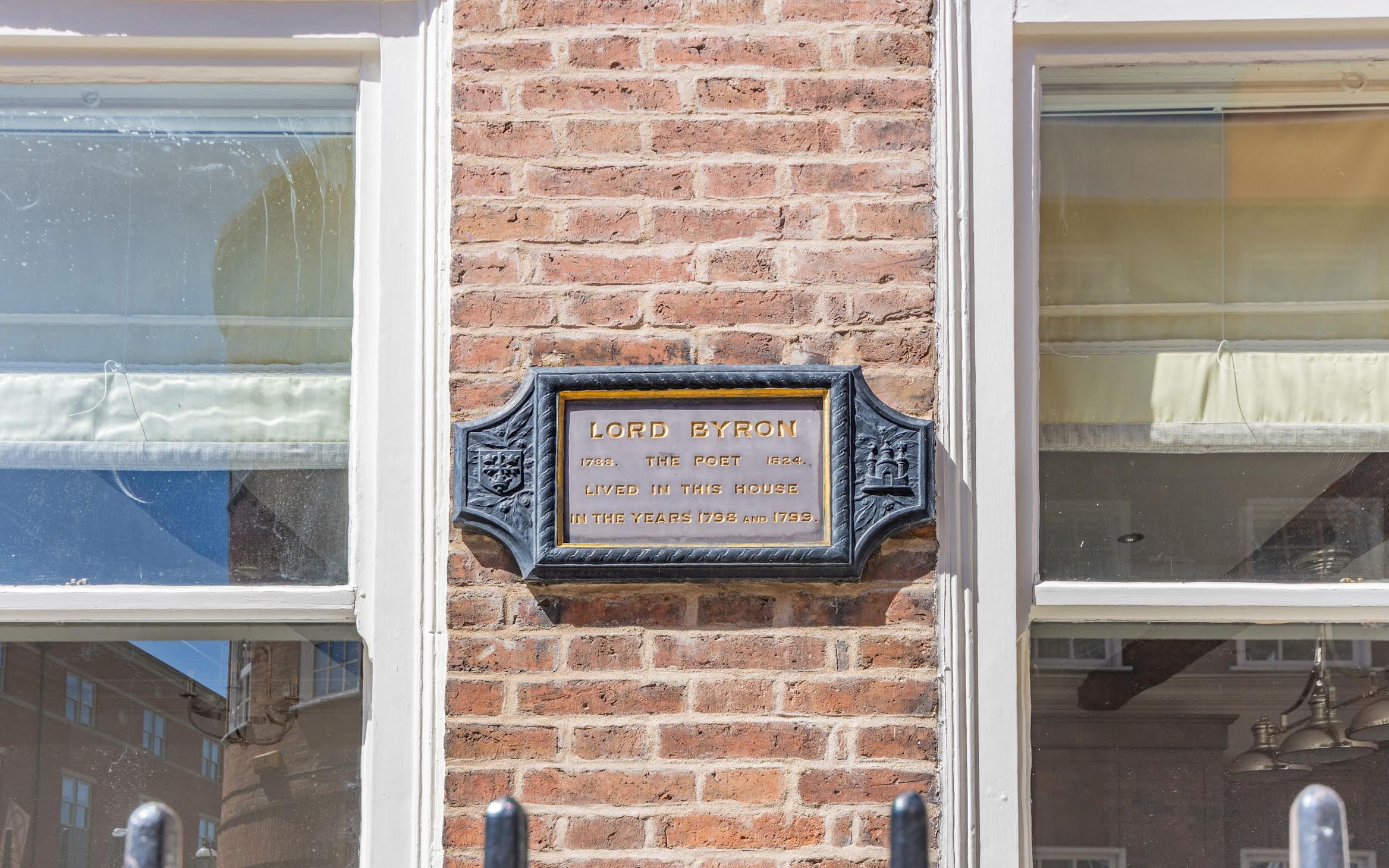
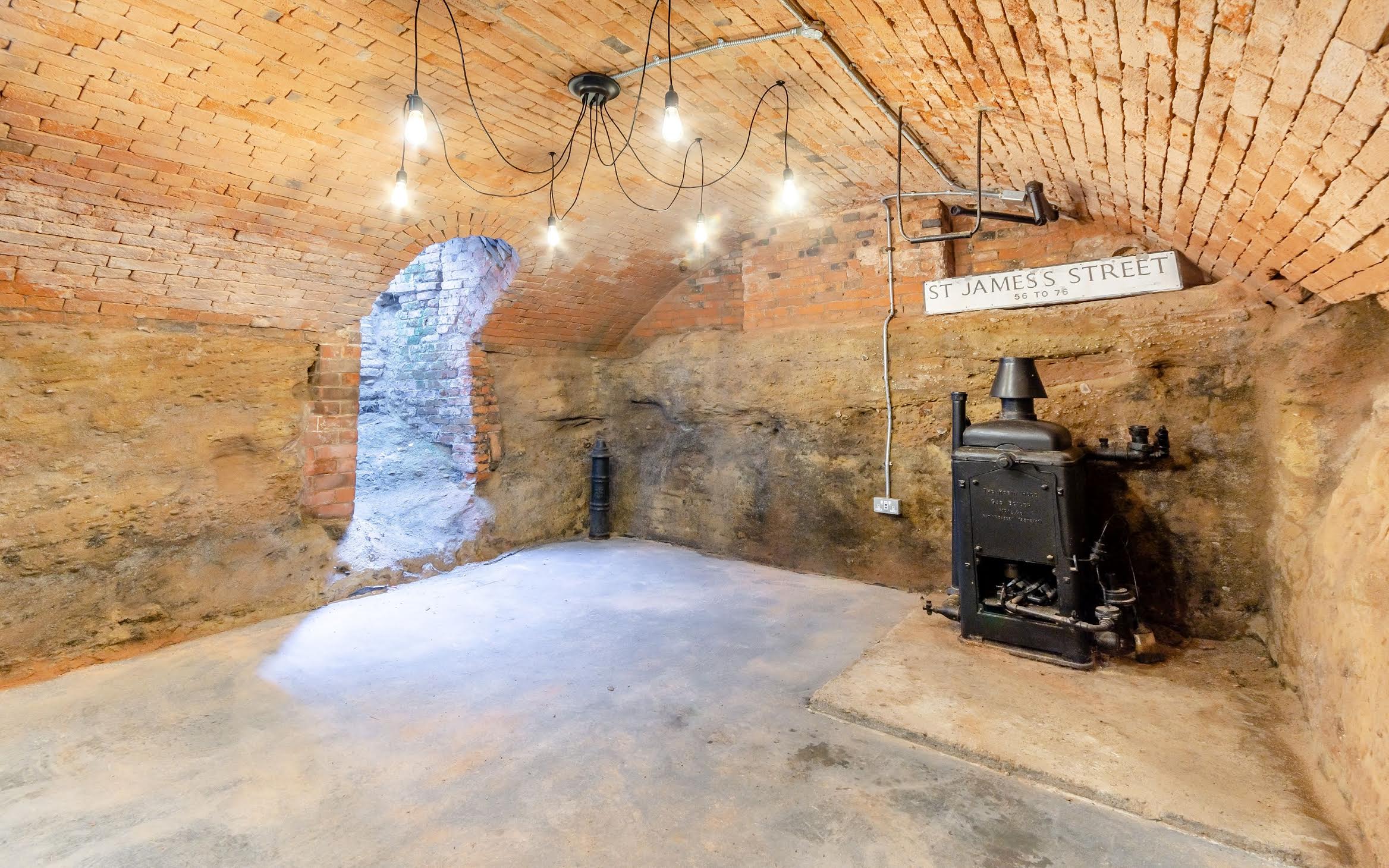
Dating back to the late 18th century, the property is steeped in heritage and character with the historic caves of Nottingham beneath, accessed directly from the house. Lord Byron is believed to have lodged here between 1798 and 1799 to be near the Nottingham Infirmary, where he was receiving treatment for a foot condition.
Today, the home stands as a beautifully restored example of Georgian architecture, seamlessly blending original features with modern luxury. The sympathetically refurbished period building is arranged over four floors with high-quality finishes throughout, including exposed brickwork, timber beams, and modern fittings, as well as many original period features.


The property includes a bespoke kitchen with granite worktops and hand-built cabinetry, two elegant reception rooms with sash windows and period fireplaces, a private gated driveway and courtyard garden.
“This is a truly special home,” comments Ian Marriott, director and head of residential sales at Savills Nottingham. “Its connection to Lord Byron adds a romantic and cultural dimension that few properties can match. Combined with its central location, historic caves beneath and exquisite restoration, it offers a rare and historic lifestyle opportunity.”
Located just moments from Nottingham Castle, The Park Estate, and Old Market Square, the property enjoys excellent access to city amenities, top schools, and transport links including Nottingham Station and the M1.
“St James’s Street in Nottingham is a notable thoroughfare with a rich history and vibrant presence,” adds Ian. “Located in the heart of the city, it connects directly to Old Market Square and is close to Nottingham Castle. The street has evolved from one of the original lanes of the new Norman town, with its earliest references dating back to 1315.”
