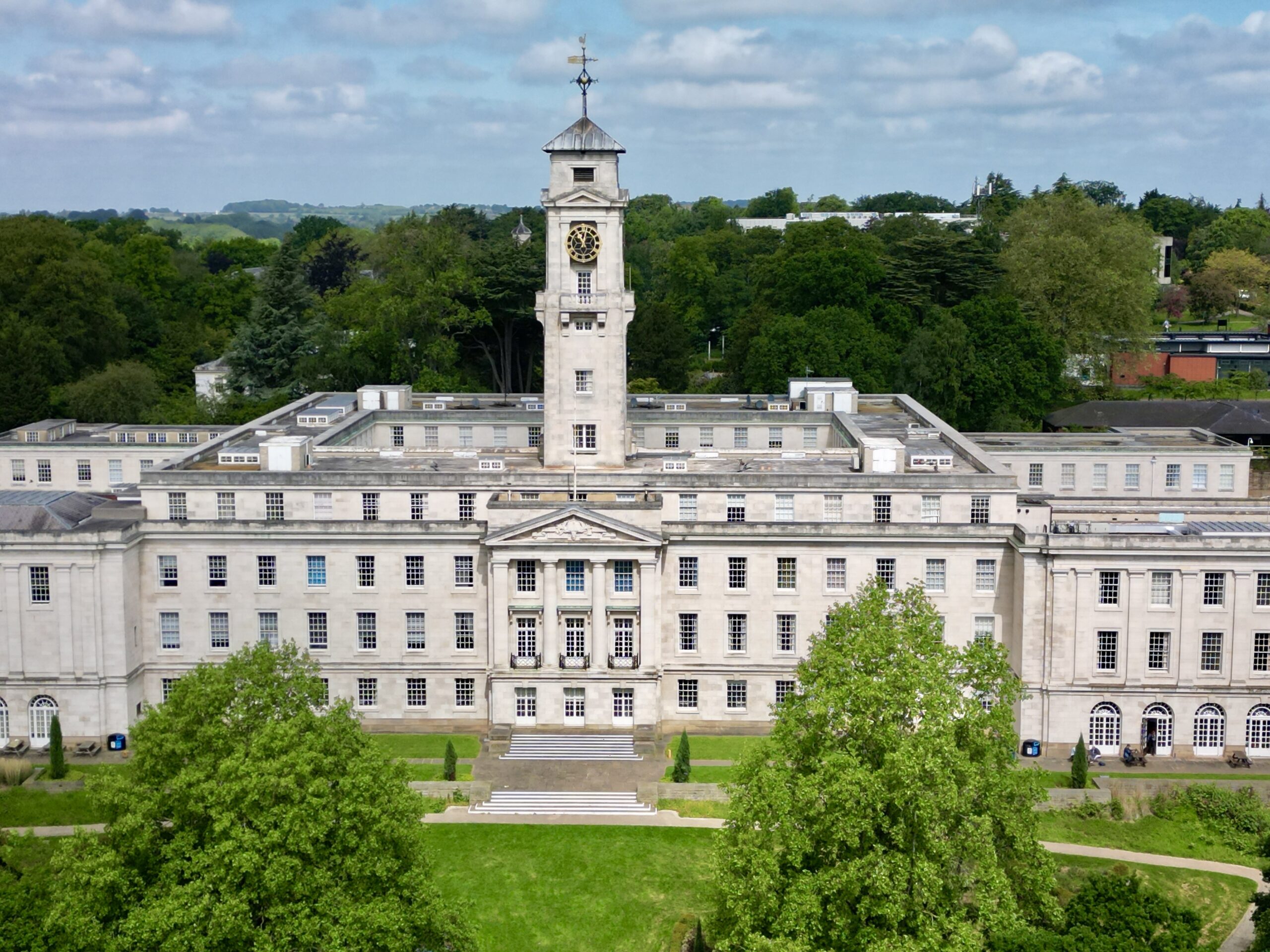
Modern language and music courses are being suspended for all new students at the University of Nottingham.
In an announcement on Thursday the university also said it was “proposing to reduce its nursing offer”, but said it remains “committed to training doctors, nurses, midwives and healthcare professionals”.


Any students currently on courses will be supported to complete their studies, a spokesperson said, adding the university’s council is set to make a decision on the future of the courses later this month as part of plans to address a fall in revenue.
The University and College Union (UCU), which will resume strike action next week, said it is opposing the move.
A spokesperson said:
‘UCU has announced further strike action at the University of Nottingham as part of its ongoing dispute over vicious job cuts
‘UCU members have taken 20 days of strike action since September and will now take a further 22 days before Christmas.

The full strike dates:
- Week 1: Monday 10 – Friday 14 November
- Week 2: Monday 17 – Friday 21 November
- Week 3: Monday 24 and Tuesday 25 November
- Week 4: Monday 1 – Friday 5 December
- Week 5: Monday 8 – Friday 12 December
‘The action comes after over 650 staff have already been axed over the past two years. The university’s latest plans to reorganise the academic departments and push for a higher surplus could see over 200 jobs go, mainly impacting teaching and research staff.’
‘UCU is saddened that students education will continue to be disrupted but the union cannot stand back and allow this to go on. Current and future students will not get the education they deserve if courses are culled and the staff who remain are overworked to the point of exhaustion.
‘Showing its disregard for students’ interests, management has so far failed to explore a negotiated path out of crisis, despite drastic strike action earlier in the year.’
Nottingham UCU branch president Lopa Leach said: ‘Our ask is simple, no compulsory redundancies for 2025 and 2026. The university is not financially strapped, yet it is choosing to reshape at such a speed it will only cause further harm. We want senior managers to slow down their plans, talk to us and avoid the destruction they appear hell bent on. Our message to them is clear. Industrial action is a last resort and we stand ready for negotiations to settle the dispute. The ball is in their court’.
A statement from Professor Jane Norman, President and Vice-Chancellor of the University of Nottingham – 10 November
Since joining the University of Nottingham as Vice-Chancellor at the start of this year, I have been continually inspired by our vibrant global community of staff, students, and alumni.
‘Our graduates remain highly sought after, with more entering highly skilled employment than from any other UK university – a distinction we have maintained for five consecutive years. We are proud to be ranked in the top 100 universities worldwide in the QS World University Rankings, reflecting our commitment to excellence in teaching and research. As a Russell Group institution, we rank in the top six for business partnerships and supporting regional growth.
‘The University of Nottingham has tremendous potential, but to fully realise it, we must ensure we are academically and financially sustainable for current and future generations. Like universities across the sector, we face significant challenges from declining revenues and rising operational costs.
‘As one of the largest university estates in the country and a major regional employer, we must adapt to a changing higher education landscape. While we remain a top choice for UK students – recruiting almost 80% of our cohort domestically – tuition fees have failed to keep pace with inflation, creating an unsustainable financial position.
‘The recent government commitment to increase tuition fees is welcome, as are plans to boost student maintenance grants. However, the proposed international student levy would offset any increase, meaning we cannot rely on this additional income.
‘At the same time, student demand is changing. Despite our best efforts to recruit we are seeing a decline in student numbers year on year for a number of courses. This, together with the challenging financial picture, means we can no longer afford to subsidise courses where there isn’t the demand from students.
‘We are addressing these challenges through our Future Nottingham programme, which sets out an ambitious strategic vision while acknowledging our financial realities. Standing still is not an option. We are determined to proactively shape our future rather than allowing circumstances to shape it for us.
‘Our approach involves proposals for thoughtful restructuring to better focus resources on strategic areas of excellence. This means investing in our teaching and learning and in the student experience, and maintaining our world-class research facilities to remain among the most competitive universities globally.
‘Achieving these goals requires difficult decisions, including suspending a small number of programmes – less than 5% of our total provision – where demand is low or performance does not meet our benchmarks. A full list of these courses is hosted on our website. These decisions follow comprehensive assessments of market demand, student and employer needs, research income, and competitive positioning.
‘Programme evolution is essential to university development. It enables us to adapt our portfolio to equip students with the skills and adaptability required for tomorrow’s workforce. By refocusing our mission and becoming more agile, we can better respond to emerging priorities and opportunities in education and research.
‘At a time of increased scrutiny over the value and purpose of higher education, it is vital that we articulate our strengths and vision clearly. The University of Nottingham is a world-class institution. By securing a sustainable, financially secure future, we will strengthen our position to continue delivering outstanding research, exceptional teaching, and an equitable experience for all our students. ‘
