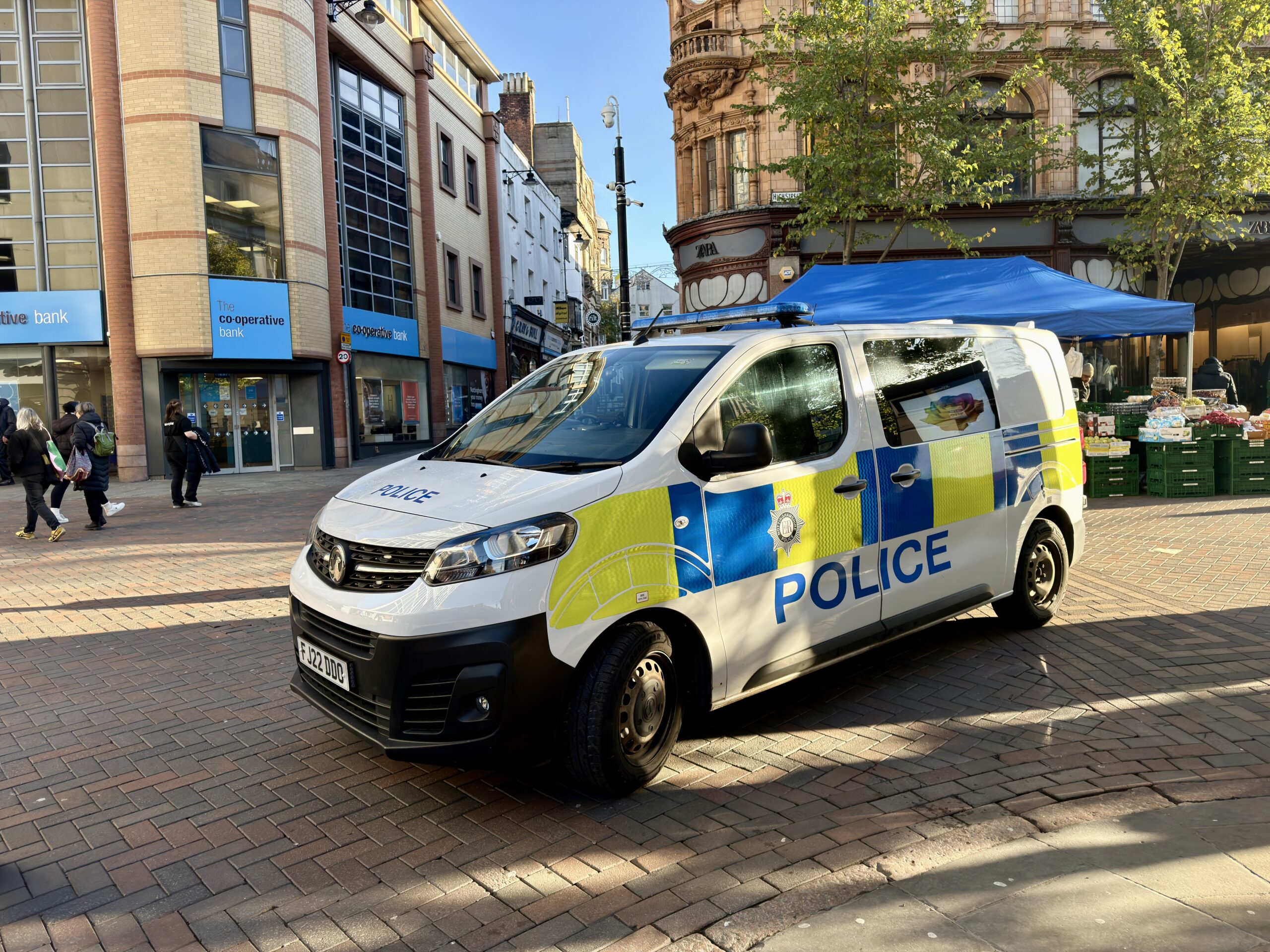
Balaclavas could be banned in Nottingham city as part of wider new efforts to make it the “safest city in the country”.
Nottingham City Council is currently in the process of bringing in a new Public Spaces Protection Order (PSPO) for the city centre to crack down on certain nuisance behaviours.


Leaders are proposing that actions such as distributing leaflets without permission, selling the Big Issue in unapproved areas, interfering with street cleaning operations, and causing unreasonable disturbance by busking be outlawed.
It would mean that anyone caught participating in such activities would be breaking the law and could be prosecuted and fined.
The PSPO is currently going through a period of consultation, meaning that the public can give their views on whether bringing in such an order is a good or bad idea.
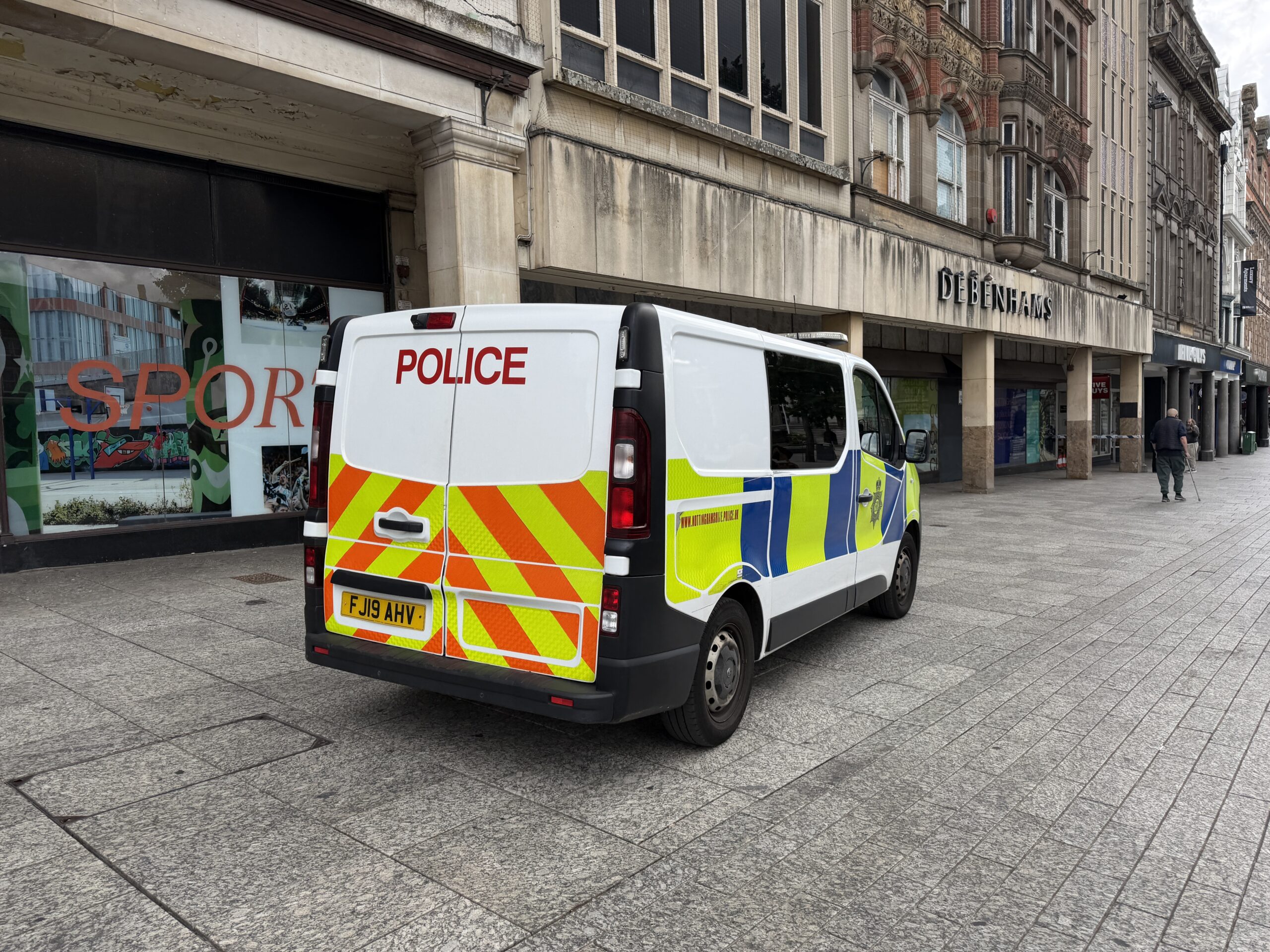
Speaking on Friday (5 June), council leader Councillor Neghat Khan (Lab) revealed that balaclavas could be banned as part of the PSPO after respondents to the consultation flagged safety concerns surrounding the issue.
She said: “It’s a serious concern, people on e-bikes it’s 32 degrees, and you’re wearing a balaclava. That’s not acceptable. It’s about safety. People have got to feel confident. This is a place on the up, but they’ve got to feel safe day or night.

“I am of the view that I understand religious reasons and things like that, but in the 32-degree heat that we had a couple of weeks ago, people were on bikes with balaclavas on – that doesn’t make you feel safe.
“Why are you wearing a balaclava? What are you hiding that means you have to wear it in the peak of the heat?”
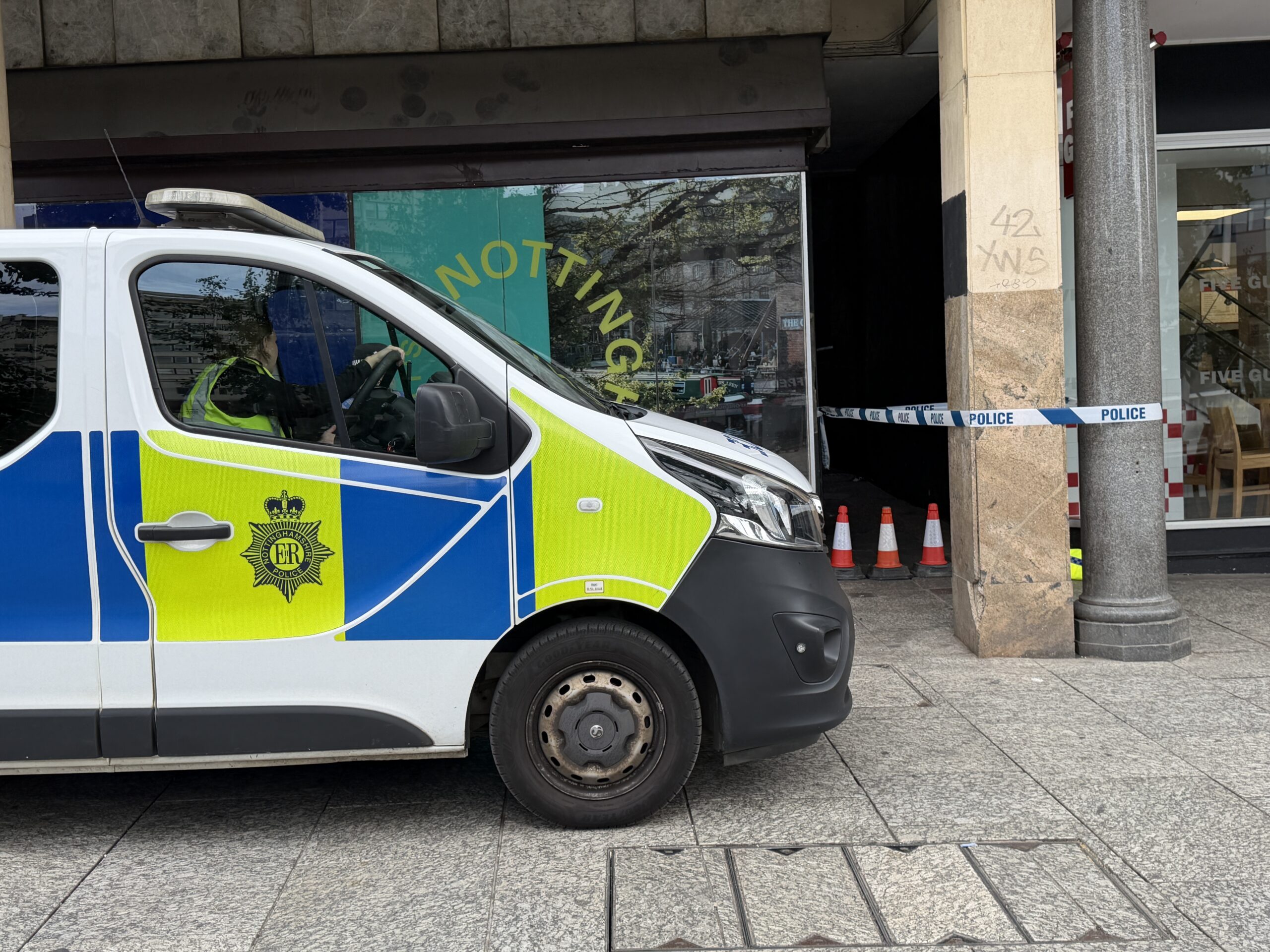
Balaclavas do not form part of the current PSPO consultation, but Cllr Khan did not rule out including a potential ban in the order.
The leader’s comments were made at the city launch of the 2050 Nottingham Vision.
Cllr Khan was asked about making the city safer as part of the plans, which set out 10 ideas that those in charge want to implement over the next 25 years.
She revealed that, in the next few months, she will begin a campaign involving her walking the streets of Nottingham for two hours every month with partner organisations to look at issues such as litter and rough sleeping and work out how to address them.
She said: “There was some sort of report published that said Nottingham was the seventh most unsafe place in the country. As the leader of the council, that’s not a tag I want.
“I don’t care who it is, any time, day or night, you should feel safe. This is your city, and we’re not going to let criminals and others take it over. So I’ve said I’m not just going to talk about it.
“You will see me out every single month, and we’re going to engage with businesses and communities rather than sitting in Loxley House having a meeting asking what we’re going to do. I will tell you when I’m out and where I’m going, so just come and talk to us. You will see us on the street, so come and tell me where you find the issues are.”
She said: “I want to be the safest city in the country. People sometimes laugh at you when you say stuff like that. We’re at a low point. But I’m telling you, we are definitely going to go up and up, and I’m not going to rest until we’re the safest city in the country.
“Our vision is only going to be successful if people feel that this is a place where their money is safe and it’s going to grow. Safety is a key part of that. My commitment is that we’re going to be putting money into that and taking real action.”
The consultation on the PSPO runs until 11:59 pm on Tuesday, 23 June.
Cllr Khan said the authority had had “quite a lot of responses” so far and that, if opinion was strong enough, the council would need to run a shorter consultation on the introduction of the rule.
The full list of proposed measures in the PSPO includes restrictions on:
Obstructing access to buildings or blocking highways
Interfering with street cleansing operations
Unauthorised requests for money and certain street collections
Big Issue sales from approved pitches only
Busking that causes unreasonable disturbance
Distribution of free materials such as leaflets without permission
Mobile advertisements such as human A-boards or placards
Urinating or defecating in public places
