
Residents and businesses in Kimberley say poor mobile coverage continues to cause dropped calls, prevent access to online services and disrupt card payments.
Some parts of the town, less than a 10-minute drive from Nottingham, have little or no mobile signal despite efforts to improve local connectivity.


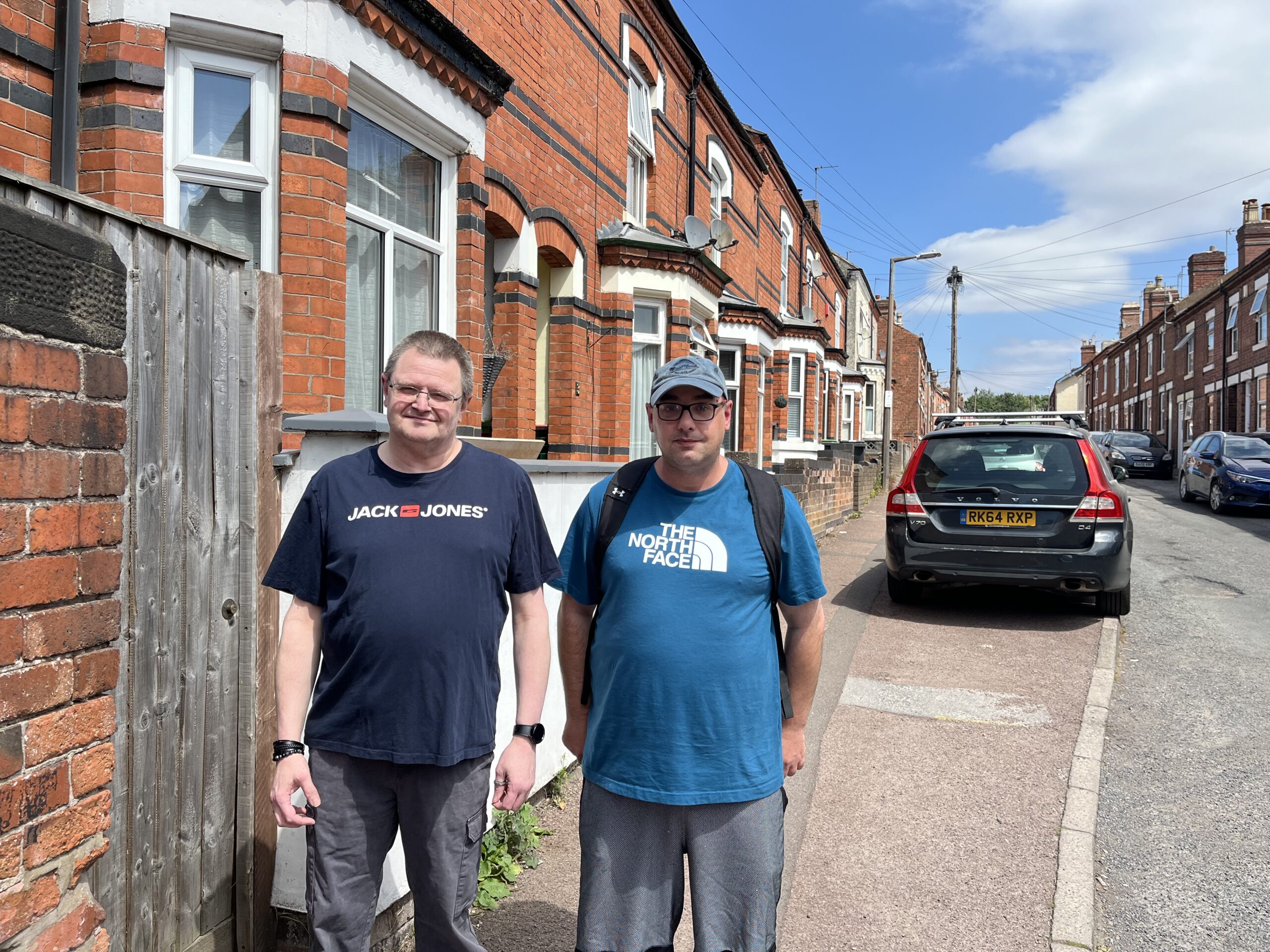
Resident Steven Copson, who has lived in the area for about 12 years, said: “It’s awful. It’s been like that for as long as we can remember. When you get halfway up our street, it goes dead.
“It’s got to the point where I have to go to the bottom of my garden just to send a text message.”
Nottingham North MP Alex Norris began a campaign last summer to improve connectivity after more than 200 people responded to a survey calling for action.

Mr Norris subsequently held meetings with Vodafone, Three, EE, Virgin Media and O2. He said several masts had been upgraded in recent months but added that “there is still work to be done”.
Businesses in the town centre say they rely heavily on WiFi because of the weak mobile signal.
Angela Blood, speaking at Dandelion Deli and Cafe on Main Street, said: “It’s shocking. I have to get to a certain spot in the house before people can hear. It’s breaking up all the time. That’s why I don’t want to get rid of my landline. We deserve better.”

Cafe co-owner Dale Ward, who lives in Hucknall, described the area around the business as a mobile signal “black hole”.
He said: “You can’t get a signal. There are certain areas where you do get a bit, but other than that there’s less than one bar, which is an issue.
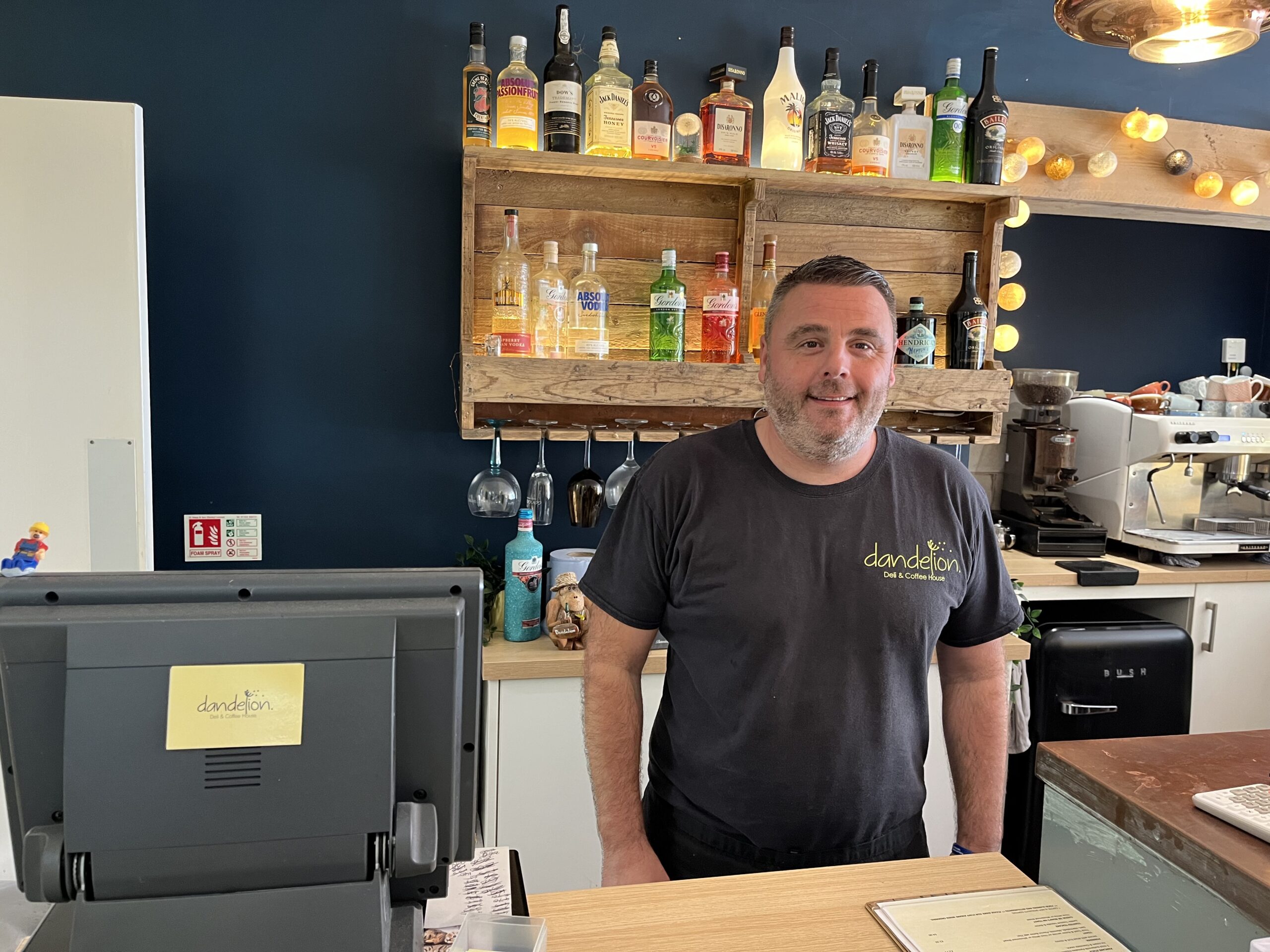
“A lot of people come in here for our WiFi. Kimberley is very WiFi-dependent. If the WiFi goes down, then we’ve got problems because there’s no way of getting a signal to get the card machine working, or even the CCTV or other services.
“We’ve had a couple of times when the router has gone down. We’ve had to close partially sometimes because we’ve not been able to use the card machine.”
Kimberley was reported to have been among the first places in the UK to receive 5G when masts began being installed in 2019. However, coverage remains inconsistent across the town.
Some residents say they have no problems with their connection, while areas including Swingate are reported to have a stronger signal.
Kimberley Town Council documents list mobile infrastructure at the town’s water tower, in Giltbrook, on Baker Road in Eastwood and behind the Hovis building in Watnall.
However, the documents say the position of the land and buildings creates a coverage gap over central Kimberley.
They add: “Getting an extra mast in Kimberley to cover the dark zone is a non-starter. It has to be provided by the suppliers like EE, BT, Vodafone etc and they won’t make the investment, as they can’t guarantee additional subscribers to pay for it for such a small area.”
Resident Steve Lacey said the signal had not improved since he moved to Kimberley in 2009. He identified the Newdigate Street and James Street junction as a particularly poor area.
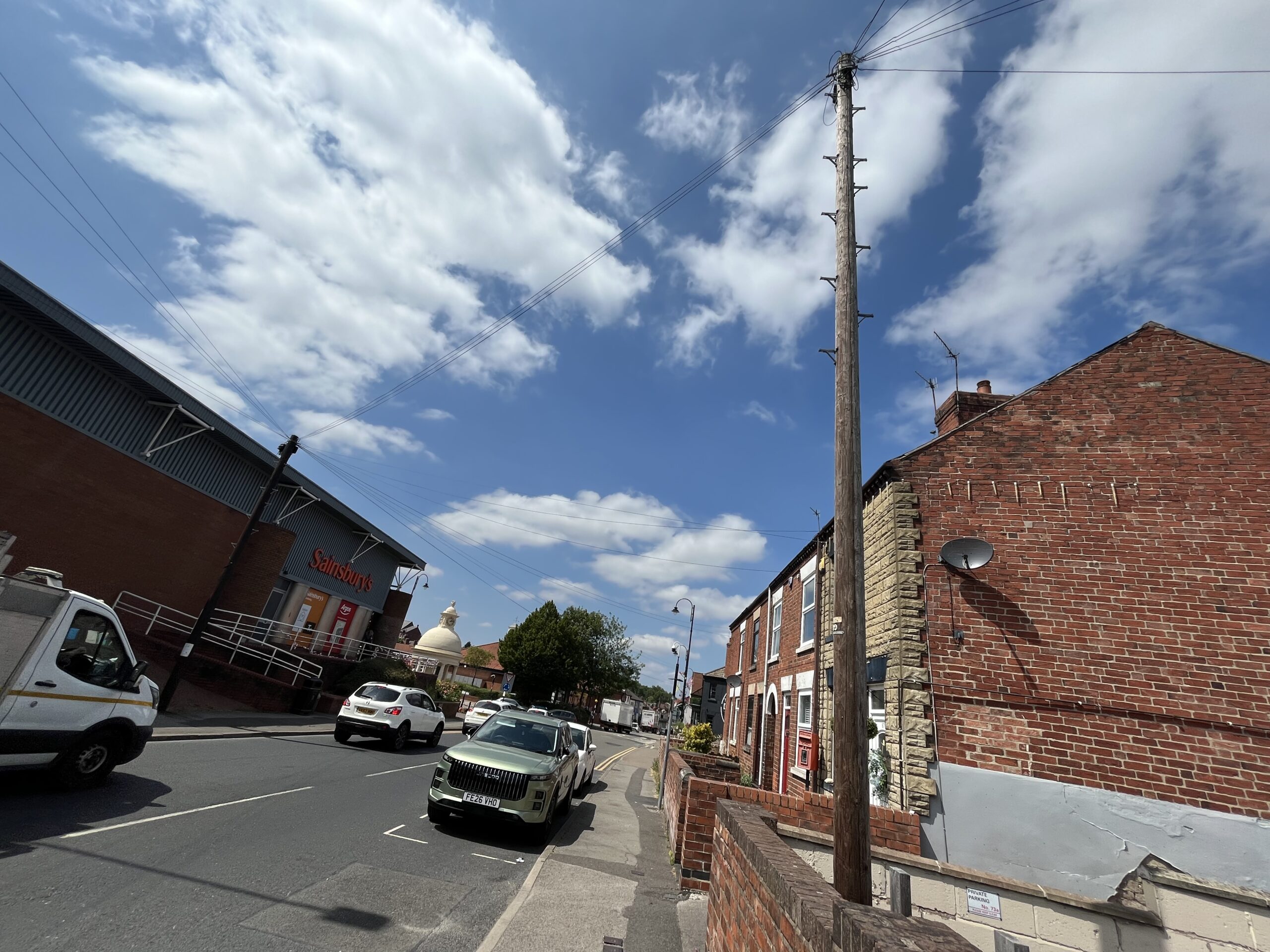
He said: “I travel a lot with work. If I’m on a call in the car and drive down there, I have to tell the person I’ll ring them back. As soon as I get near to that junction, the call drops every single time. The connection disappears completely.
“Up here there’s phone signal, but I was just in the pharmacy and the NHS app didn’t work. Towards Giltbrook I’ve got full signal. It’s a strange town for mobile service.”
Olde English Chippy, at the corner of James Street, is among the businesses affected.
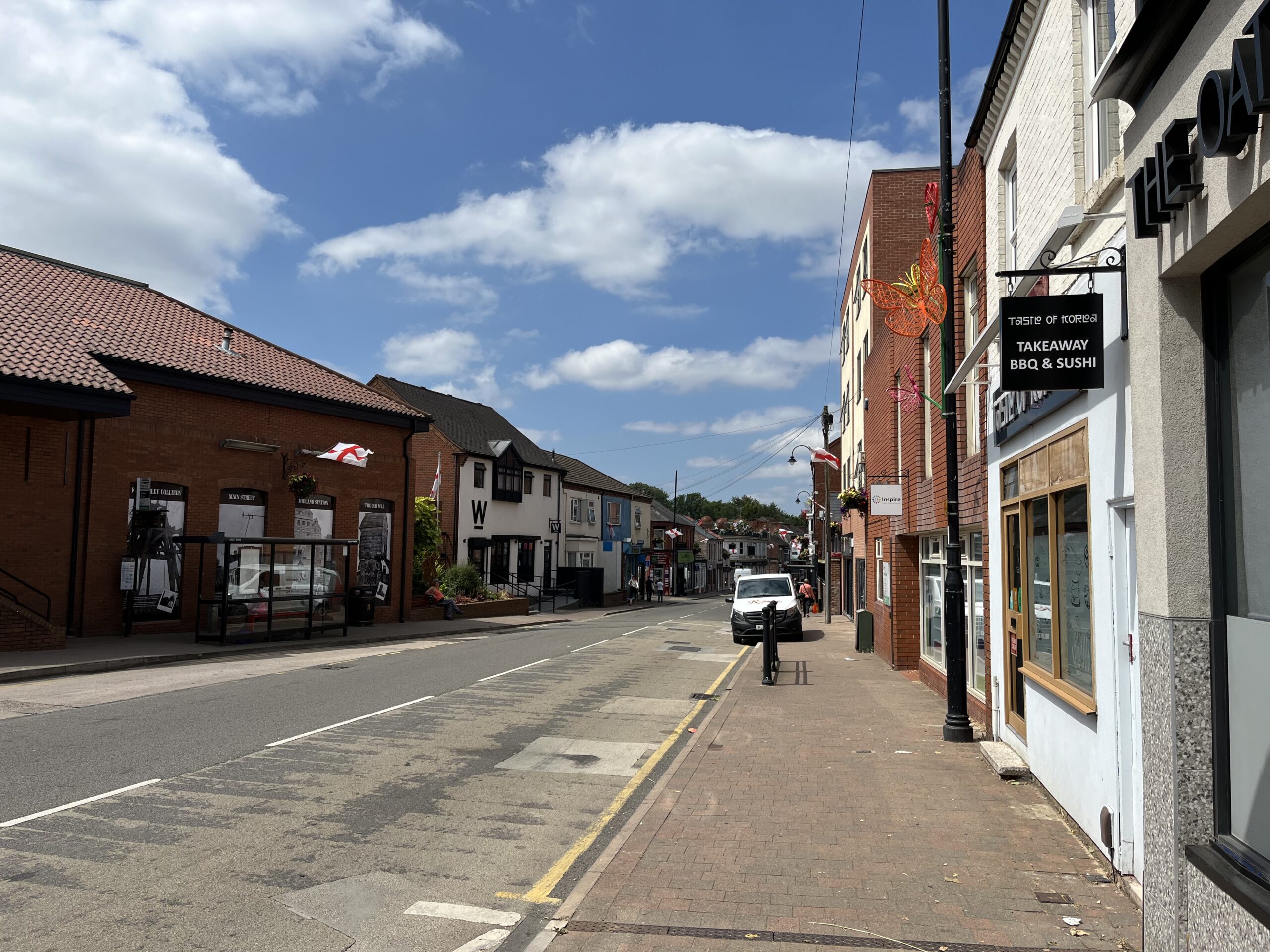
Owner Grace Lebeter said neither she nor her customers could access mobile data inside the premises. Customers who need to transfer money between bank accounts before paying sometimes have to go outside for between five and 10 minutes to find a signal. The business does not offer customers access to its WiFi for security reasons.
Ms Lebeter said: “It is just terrible. We’re in 2026. We should have some signal in Kimberley. It’s not good, is it?”
She said the business would be unable to receive telephone calls if its WiFi failed because there was no mobile signal available as a backup.
Ms Lebeter has raised the problem with her network provider but said no lasting solution had been found.
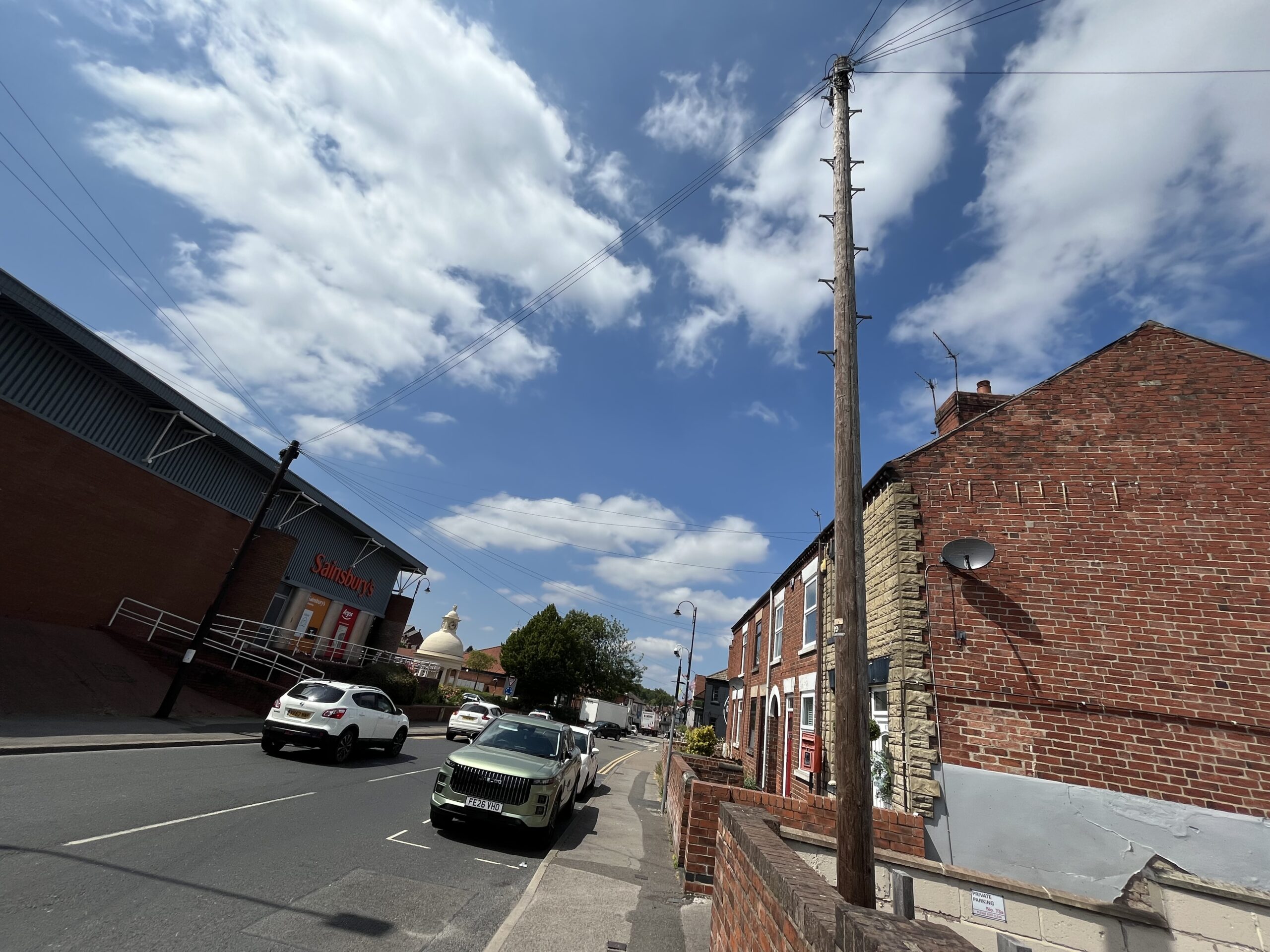
Broxtowe Borough Council introduced free public WiFi in Kimberley, Eastwood and Stapleford in 2020 to help improve internet access outside people’s homes. However, residents say its availability is also limited in some areas.
Concerns have also been raised ahead of the telecommunications industry’s move from analogue landlines to a digital system, under which home telephones will require an internet connection.
Lee Parker, who looks after Mr Copson, said: “Everyone else has got rid of their house phone, but we haven’t because if you need to ring the doctors, or they need to ring you, you can’t get a signal.
“We have to have it. You can’t use the data. It’s impossible.”
Local councils and Mr Norris have asked East Midlands Mayor Claire Ward to help address the issue.
The East Midlands Combined County Authority is preparing a digital connectivity strategy focused on investment in communities with poorer connections.
The authority considers digital connectivity important to regional economic growth and has compared its importance with essential utilities such as water and electricity.
Ms Ward said: “It’s really holding back some communities. People don’t work from home. Local businesses can’t grow. You can’t get start-ups operating. We’re looking at how we can invest in some of that digital infrastructure.
“I would certainly encourage more of the businesses and local residents to tell us where some of these challenges are so that we’re able to plot that a bit more.
“We’re at that early stage of building that digital strategy, so we know where the biggest problems are.”
A draft of the authority’s digital connectivity strategy is expected to be ready by early 2027.
By Joseph Connolly, Local Democracy Reporter