
The government has published England’s first-ever Land Use Framework, setting out a long-term plan to make better use of land to support food production, clean energy, nature recovery and housing.
The Framework responds to the need for local and national governments to manage what appear, at times, to be competing demands. Official statistics show that around 63% of land in England is currently used for agriculture, 20% for forestry, open land and water, and just 8-9% is developed. At the same time, over 37% of England’s land is protected through designations such as National Parks, Areas of Outstanding Natural Beauty and Sites of Special Scientific Interest – underlining the need for more strategic and coordinated decision-making.

The new Framework, which was consulted upon in early 2025, aims to ensure that decisions about development and land use are better planned, more joined-up and based on improved national data. The Framework aims to improve the information available to councils, farmers and developers, helping them make more confident and effective decisions about land use. It does not impose top-down instructions on landowners but provides tools, data and guidance to better support local decision-making.
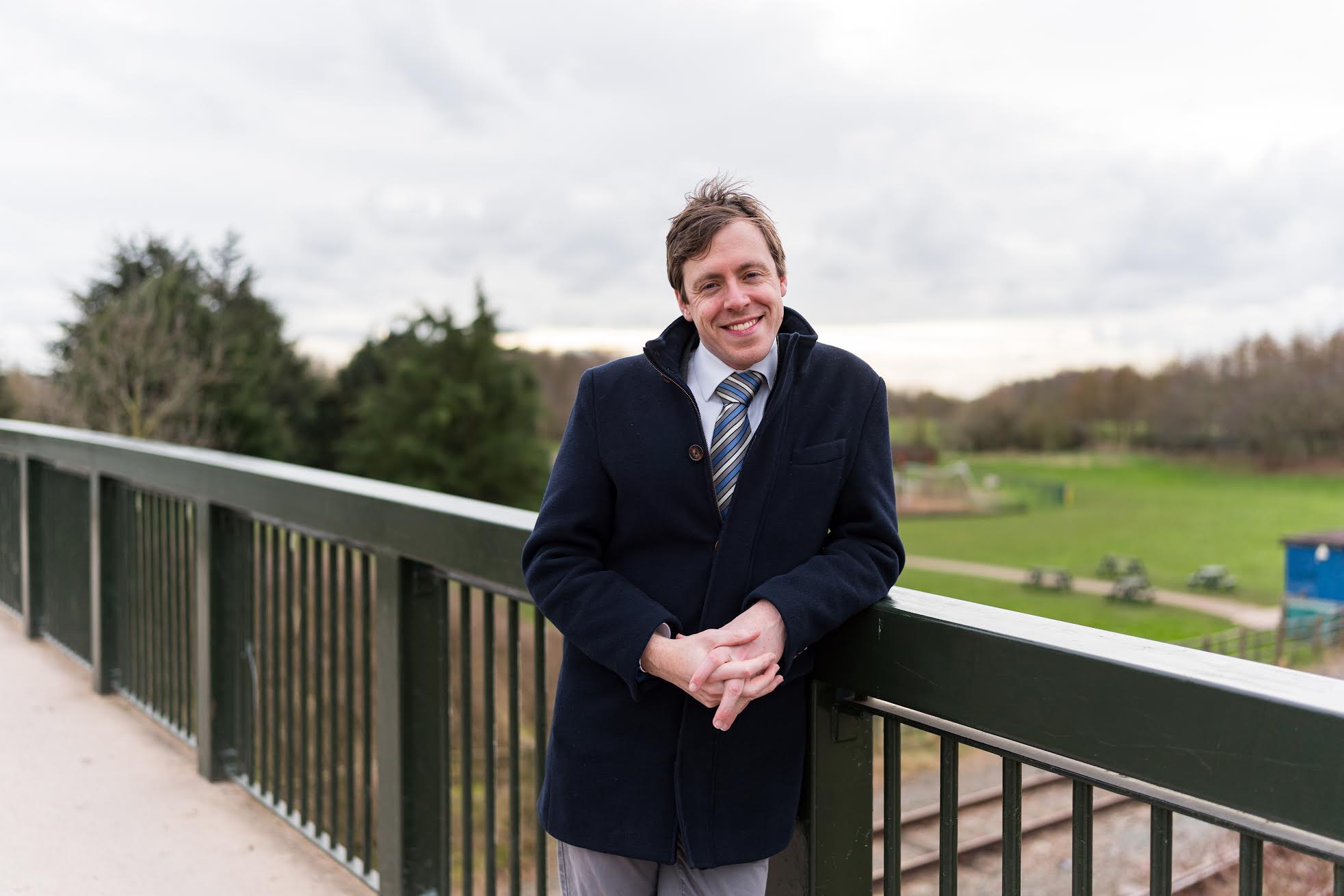
Commenting, James Naish MP said: “This Framework is essential if we’re to get the balance right across important areas like food security and energy security at the same time as addressing the housing crisis.
“Too often, the debate has been framed as a choice between supporting farmers, protecting nature, delivering clean energy or building new homes. With the right planning and the right information, it is possible to do all of these well.
“As part of this work, I’ll be bringing forward a Bill to parliament next month to make Local Area Energy Plans compulsory. Like local housing plans, it is important to give communities a proper say over what type of energy projects take place, and where. Our National Grid connection in Rushcliffe is a valuable strategic asset which local people and representatives should have more control over.”
Henry Dimbleby, co-founder of Leon Restaurants and the Sustainable Restaurant Association, commented: “The case for using our land more intelligently – reducing dependence on imported inputs, building a more resilient food system and accelerating the shift to clean, homegrown power – is no longer theoretical. It’s urgent. This framework provides the evidence base to do it. It is an excellent piece of work. Now we need the implementation to match.”

The Framework has also been welcomed by the Environment Agency, the National Farmers’ Union, the Forestry Commission and the Chair of Natural England, Tony Juniper, who said: “Considering the simultaneous demand for housing, food production, new infrastructure, space for Nature recovery, recreation and industry, it is vital that we have an overarching framework to optimise land use for all of this and more across the limited space we have in England. By taking a more strategic view of how we use land, we can halt and reverse nature decline, while also enabling the new homes and infrastructure the country needs, protecting food security and building resilience to the impacts of climate change.
“The Land Use Framework is a vital step forward, offering opportunities to move beyond binary choices and toward more joined-up approaches. The more integrated thinking that we must embrace in meeting multiple pressing challenges at once will restore Nature while also meeting the country’s needs for housing, energy, water and food.”
The government has described the Framework as a living document, with further updates to follow as new data, policy and engagement develop.